
The Roots Of Warli Art: Preserving The Essence Of Rural Life
This unique style of tribal art, characterised by its simple depictions of rural life, has transcended generations, preserving the essence of a community.
- Lifestyle News
- 2 min read

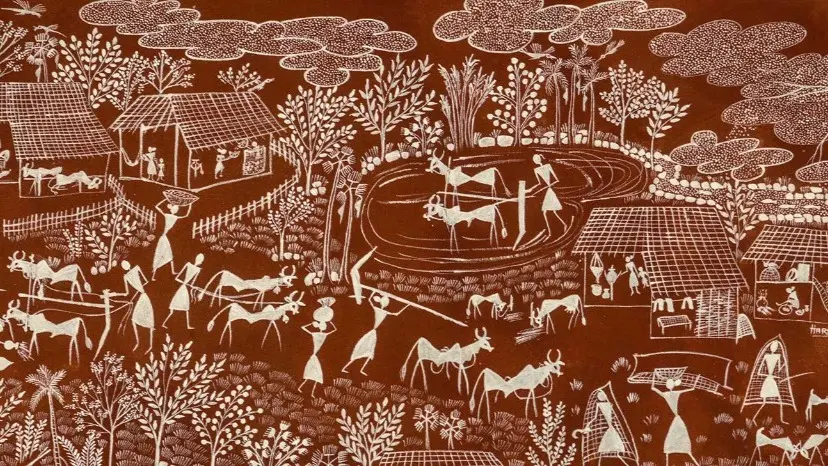
Warli painting, a traditional art form originating from the Warli tribe of Maharashtra, India. The culture is centered on the concept of Mother Nature and elements of nature are the focal points depicted in Warli painting. This unique style of tribal art, characterised by its simple depictions of rural life and rituals, has transcended generations, preserving the essence of a community deeply connected to nature and spirituality.
Historical roots
Warli painting finds its roots in the Warli tribe, believed to be one of the oldest indigenous communities in Maharashtra. The origins of this art form can be traced back to as early as the 10th century, making it an ancient tradition that has withstood the test of time. The Warli people, primarily inhabiting the Thane district and parts of Gujarat, have historically lived in harmony with nature, and this connection is vividly reflected in their art. Jivya Soma Mashe, an artist in Thane district, played a great role in making the Warli paintings more popular.

A canvas of tradition
Traditionally, Warli paintings were created on the walls of the Warli houses during special occasions and rituals. The canvas for this art was the mud walls, and the medium, a mixture of rice paste and water with the gum of tamarind seeds. The simplicity of the materials mirrors the uncomplicated lifestyle of the Warli community.
Symbolism in warli art
Warli paintings are characterised by their distinctive features – the use of geometric shapes, circles, triangles, and squares to depict human figures and elements of nature. The scenes often revolve around day-to-day activities, village life, festivals, and celebrations. The lack of individual facial features in the figures is intentional, emphasising the collective spirit of the community over individual identities.
Advertisement
Evolution and global recognition
While Warli paintings were initially confined to the walls of homes in the area, the art form has evolved over time. Today, Warli artists use various mediums such as paper, cloth, and canvas to showcase their creativity. The traditional black and white palette has expanded to include vibrant hues, catering to contemporary tastes while retaining the essence of the art.