
Contouring and highlighting: A step-by-step guide to master the makeup art
Here, we will get into the technique of contouring and highlighting, offering you helpful hints and professional guidance to help you attain flawless results.
- Lifestyle News
- 2 min read

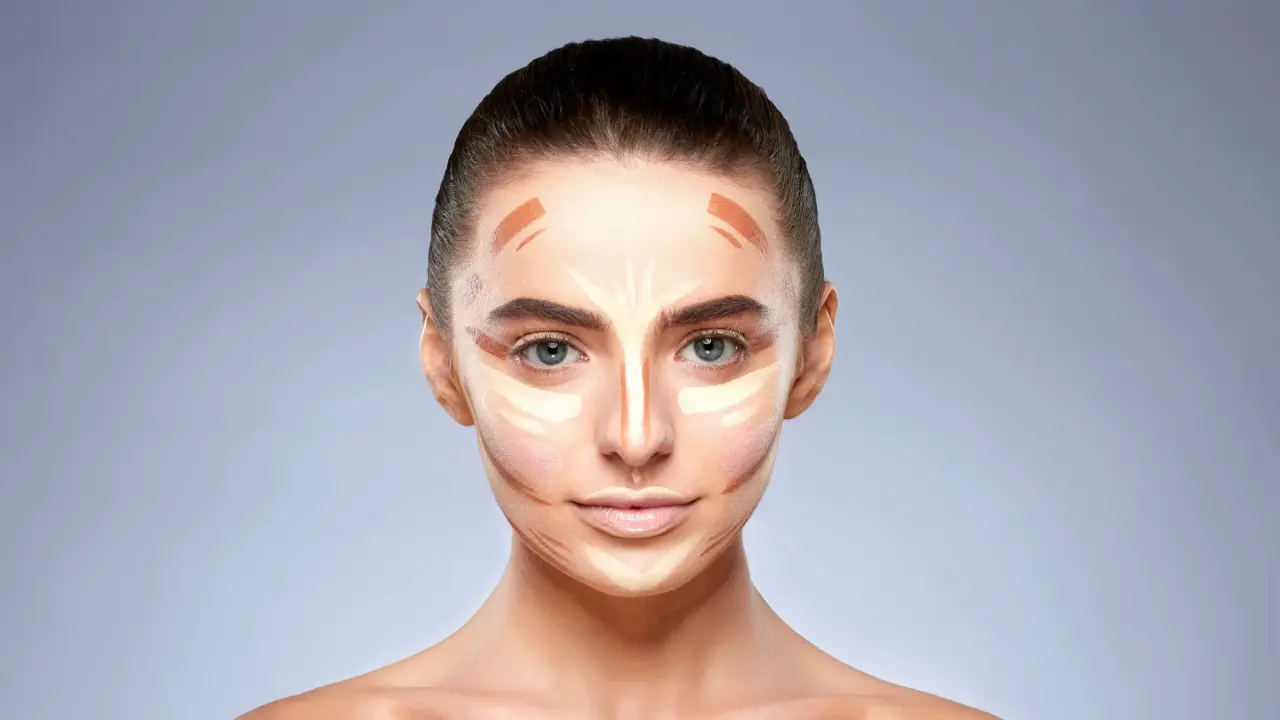
Sculpting and adding dimension to your face with makeup that is a shade darker or lighter than your natural skin tone is known as contouring. In contrast to regular foundation and concealer, which aim to perfectly match our skin tone, contouring is mostly about achieving the illusion of shadow and light.
Whether you're an amateur or an enthusiast, learning contouring and highlighting techniques will improve your natural attractiveness and give your face a seductive touch. We will get into the technique of contouring and highlighting in this article, offering you helpful hints and professional guidance to help you attain flawless results.
Prep your skin
A clean, moisturised canvas is the first step in applying makeup. After washing your face, liberally moisturise it. For a longer-lasting makeup and to smooth out the surface, use a primer.

Apply your base makeup
It's crucial to apply your base makeup before you begin contouring and highlighting. This covers powder, concealer, and foundation. By doing this, you can be confident that the base for your highlighting and contouring is level and smooth.
Advertisement
Match your shade
Rather than overfilling your cosmetic kit with multiple colours, try finding that one ideal shading cream or powder and matching highlighter. To achieve a more natural look, apply the shading cream with your hands. Steer clear of the cream and powder combo.
Contouring
Using the brush, start by applying the contour product to the hollows of your cheekbones, temples, and jawline. For a more defined appearance, don't forget to contour your eyelid crease and the sides of your nose.
Advertisement
Highlighting
Highlight the high features of your face, such as the inner corners of your eyes, the bridge of your nose, the tops of your cheekbones, and the cupid's bow. For an added pop of brightness, dab a little makeup along your collarbone and on the bone that forms your brow.
Blending
Blending is crucial because you're working with hues that aren't the same tone as your skin. Blend your highlights and shadows into your skin or foundation layer with a large, fluffy brush, blending brush, or makeup sponge until the lines you drew appear more realistic.