
What Are Lip-Fillers? Navigating Risks, Benefits - What You Need to Know
Lip fillers,enhance the volume, shape and definition of the lips. These procedures aim to create fuller, more youthful lips while improving symmetry.
- Lifestyle News
- 4 min read

;'%3e%3cpath%20d='m8,15.99c4.41,0,7.99-3.58,7.99-7.99S12.41,0,8,0,0,3.59,0,8s3.58,7.99,7.99,7.99Z'%20style='stroke:%23fff;%20stroke-miterlimit:10;%20stroke-width:.02px;'/%3e%3cpath%20d='m3.08,3.37l3.82,5.11-3.84,4.15h.87l3.37-3.64,2.72,3.64h2.94l-4.04-5.39,3.58-3.87h-.86l-3.1,3.35-2.5-3.35h-2.94Zm1.27.64h1.35l5.97,7.99h-1.35l-5.97-7.99Z'%20style='fill:%23fff;'/%3e%3c/g%3e%3c/svg%3e)


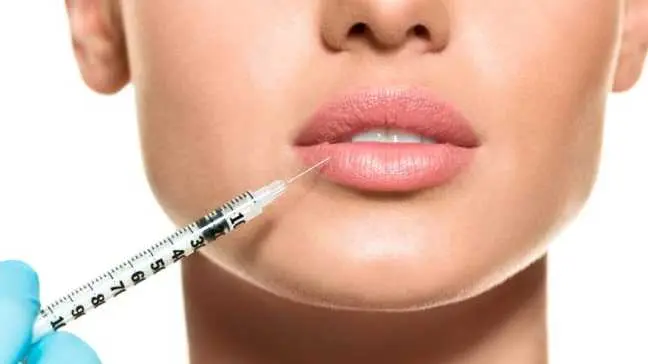
Lip fillers, also known as dermal fillers or lip augmentation, are cosmetic injectable treatments designed to enhance the appearance of lips. They enhance the volume, shape and definition of the lips. These procedures aim to create fuller, more youthful lips while improving symmetry and proportion between the upper and lower lips. Lip fillers can also effectively smooth out fine lines and wrinkles around the mouth, contributing to a more youthful overall appearance.
As per Harvard.edu, there are various types of lip fillers available, but the most common are composed of hyaluronic acid (HA). It is a naturally occurring substance in the body that helps hydrate and plump the skin. When used as a lip filler, HA adds volume, enhances lip definition and reduces fine lines and wrinkles. Other types of lip fillers include those made from collagen, fat grafting and synthetic substances. However, HA fillers are the most popular due to their natural look and feel.
How do lip fillers work?

(Representative image | Image: Shutterstock)
Advertisement
The process of lip fillers involves injecting a substance into the lips to add volume and shape. Here's how it works.
Preparation: The treatment area is cleaned, and numbing cream or local anaesthesia is applied to minimize discomfort.
Injection: A small needle is used to inject the filler into specific areas of the lips, adjusting the quantity according to the desired outcome.
Massage: After the injection, the provider may gently massage the lips to ensure even distribution of the filler.
Evaluation: The provider evaluates the results and may make any necessary adjustments to achieve the desired look.
Advertisement
Benefits of lip fillers
Enhanced lip appearance: Lip fillers create fuller, more symmetrical lips, enhancing overall facial aesthetics.
Youthful appearance: Lip fillers can reverse age-related volume loss, providing a more youthful look.
Natural results: When assisted by a skilled practitioner, lip fillers can achieve natural-looking results tailored to individual preferences.
Risks and side effects

(Getting lip fillers is not free from side-effects | Image: Shutterstock)
While generally safe, lip fillers carry some potential risks and side effects, including:
Swelling, bruising, and discomfort: They are common post-treatment effects that typically resolve within days.
Allergic reactions: Rare, but some individuals may experience swelling, redness, itching or hives due to allergies.
Infection and scarring: A minimal risk associated with any injectable procedure; strict aftercare and a reputable provider help mitigate this risk.
Migration and lumps: Fillers may move or clump, resulting in visible irregularities.
Hematomas: Uncommon but possible, hematomas are collections of blood under the skin.
Necrosis: Extremely rare, necrosis occurs when filler blocks blood flow, potentially causing tissue death and scarring.
How to choose a professional?
Selecting a qualified provider is essential for a safe and successful procedure. Here's how you can choose one.
Qualifications: Ensure the provider is a licensed medical professional with specialised training in injectables.
Experience: Inquire about their experience and expertise in lip filler procedures.
Certifications: Look for certifications from reputable organizations, like ASAPS or ASDS.
Before-and-After Photos: Review their portfolio to gauge their capabilities.
Recommendations: Seek referrals from friends, family and online reviews.
Trust your instincts: Choose a provider with whom you feel comfortable and trust to ensure a safe and effective procedure.
Preparation for lip fillers
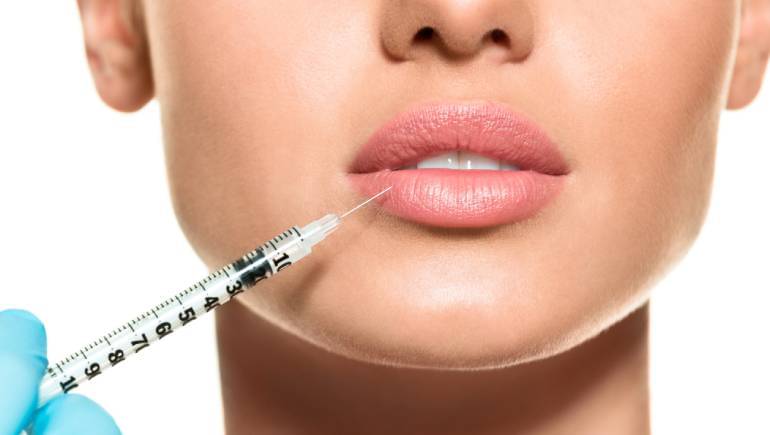
(Representative image | Shutterstock)
Preparation plays a crucial role in ensuring a smooth procedure. Steps to prepare are as follows.
Consultation: Discuss your goals and suitability for the procedure with your provider.
Medication and supplement avoidance: Follow instructions to avoid specific medications and supplements that can increase bleeding and bruising.
Stay hydrated: Drinking plenty of water can help minimize swelling.
Recovery planning: Arrange for time off work, procure ice packs and pain relievers and avoid strenuous activities for at least 24 hours post-procedure.
Provider's instructions: Adhere to your provider's pre-procedure guidelines.
Recovery and aftercare
Aftercare is vital for a safe and successful recovery. Tips include:
Managing swelling and bruising: Use ice packs and avoid heat, alcohol, and salty foods.
Avoiding certain activities: Steer clear of strenuous exercise and facial massages.
Recommended aftercare products: Arnica gel or supplements, lip balm and ointment can aid healing.
Overall health: Get rest, stay hydrated and avoid smoking for quicker recovery.
Follow instructions: Adhere to your provider's post-procedure guidance and schedule a follow-up appointment.
How long do lip fillers last?
The durability of lip fillers varies, typically ranging from 6 months to 2 years. Factors influencing longevity include filler type, metabolism and injection site. Maintenance appointments may be needed every 6 to 12 months for desired results. Regular follow-ups with your provider are essential to monitor progress and address any concerns.
(Inputs from Health Harvard and Cleveland Clinic)