
Best Indoor Plants To Purify Home's Air Quality Naturally
Several indoor plants can naturally help combat sick building syndrome. These houseplants are also known for effectively improving indoor air quality through their air-purifying properties.
- Lifestyle News
- 2 min read

;'%3e%3cpath%20d='m8,15.99c4.41,0,7.99-3.58,7.99-7.99S12.41,0,8,0,0,3.59,0,8s3.58,7.99,7.99,7.99Z'%20style='stroke:%23fff;%20stroke-miterlimit:10;%20stroke-width:.02px;'/%3e%3cpath%20d='m3.08,3.37l3.82,5.11-3.84,4.15h.87l3.37-3.64,2.72,3.64h2.94l-4.04-5.39,3.58-3.87h-.86l-3.1,3.35-2.5-3.35h-2.94Zm1.27.64h1.35l5.97,7.99h-1.35l-5.97-7.99Z'%20style='fill:%23fff;'/%3e%3c/g%3e%3c/svg%3e)


Since Diwali, Delhi’s air quality has fallen into the ‘very poor’ category as pollution levels surged across the city. According to the Air Quality Early Warning System (EWS), the AQI reached 316 at 9 am, while the private monitor AQI recorded a slightly lower level of 242.
In light of this, let's look at a few indoor plants that can naturally help combat sick building syndrome. These houseplants are also known for effectively improving indoor air quality through their air-purifying properties.
What plants are good for improving air quality?
As per reports, NASA researched several common indoor plants to examine how effectively they purify air. The study focused on around a dozen popular ornamental plants and their ability to eliminate major indoor pollutants. The findings revealed that live plants are highly efficient at absorbing harmful airborne substances.
Spider Plant (Chlorophytum comosum)
Benefits: Removes formaldehyde, xylene, and toluene.
Care: Easy to maintain, thrives in indirect sunlight, and adapts well to different temperatures.
Advertisement
Snake Plant (Sansevieria trifasciata)
Benefits: Eliminates formaldehyde, benzene, xylene, toluene, and nitrogen oxides.
Care: Requires minimal care, survives in low light, and needs occasional watering.
Peace Lily (Spathiphyllum)
Benefits: Removes formaldehyde, benzene, trichloroethylene, xylene, and ammonia.
Care: Grows best in indirect light and moist soil.
Advertisement
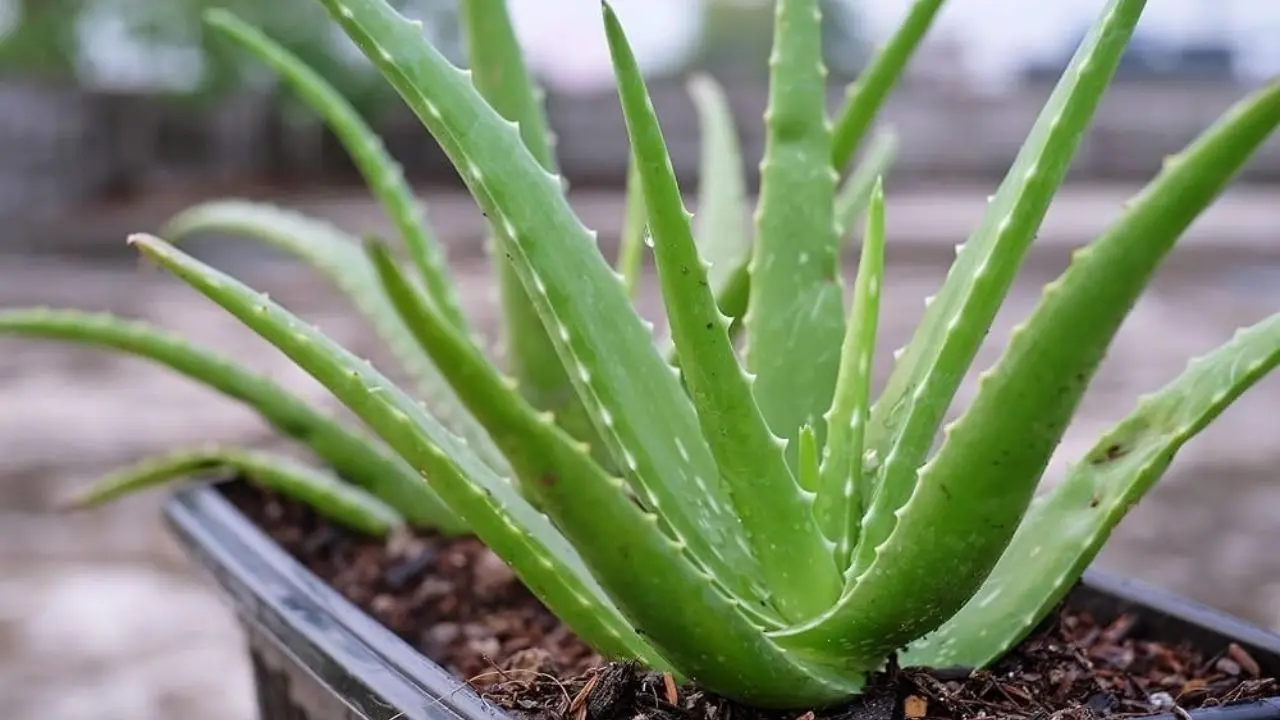
Aloe Vera (Aloe barbadensis miller)
Benefits: Filters formaldehyde and benzene.
Care: Needs bright, indirect sunlight and little watering.
Boston Fern (Nephrolepis exaltata)
Benefits: Cleans the air by removing formaldehyde and xylene.
Care: Prefers high humidity, indirect light, and regular watering.
English Ivy (Hedera helix)
Benefits: Absorbs formaldehyde, benzene, xylene, and toluene.
Care: Thrives in moderate light and slightly moist soil.
Rubber Plant (Ficus elastica)
Benefits: Removes formaldehyde from indoor air.
Care: Prefers bright, indirect light and moderate watering.