
Baisakhi 2024: Date, Significance, Celebration Of This Harvest Festival
Baisakhi falls on the 13th of April every year, marking the first day of the Vaisakh month in the Sikh calendar.
- Lifestyle News
- 2 min read

;'%3e%3cpath%20d='m8,15.99c4.41,0,7.99-3.58,7.99-7.99S12.41,0,8,0,0,3.59,0,8s3.58,7.99,7.99,7.99Z'%20style='stroke:%23fff;%20stroke-miterlimit:10;%20stroke-width:.02px;'/%3e%3cpath%20d='m3.08,3.37l3.82,5.11-3.84,4.15h.87l3.37-3.64,2.72,3.64h2.94l-4.04-5.39,3.58-3.87h-.86l-3.1,3.35-2.5-3.35h-2.94Zm1.27.64h1.35l5.97,7.99h-1.35l-5.97-7.99Z'%20style='fill:%23fff;'/%3e%3c/g%3e%3c/svg%3e)


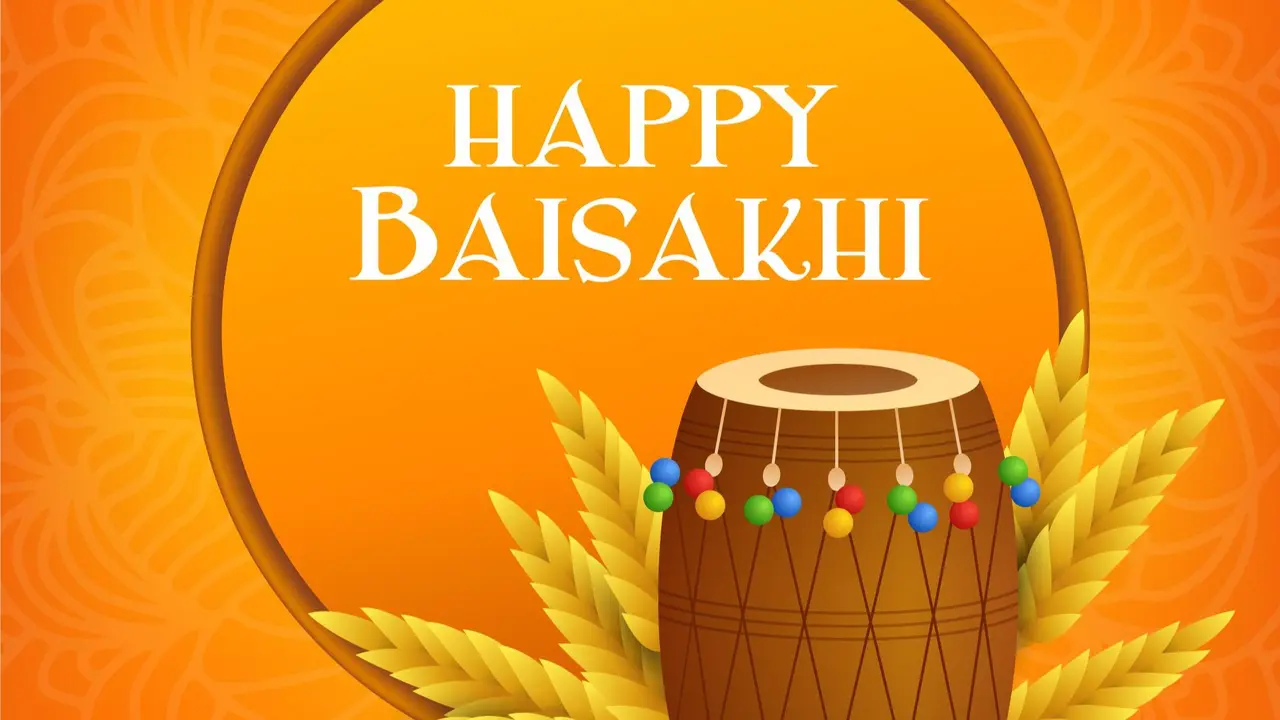
Baisakhi, also known as Vaisakhi, is celebrated predominantly by the Sikh community across North India. It holds immense significance as a harvest festival, marking the beginning of the Sikh New Year and commemorating the formation of the Khalsa Panth (the Sikh community) by Guru Gobind Singh Ji in 1699. With its roots deeply intertwined with agriculture, culture, and spirituality, Baisakhi is a time of jubilation, gratitude, and renewal.
Date and significance of Baisakhi
Baisakhi falls on the 13th of April every year, marking the first day of the Vaisakh month in the Sikh calendar. This auspicious day holds immense religious significance for Sikhs as it commemorates the establishment of the Khalsa Panth by Guru Gobind Singh Ji, the tenth Sikh Guru. On Baisakhi in 1699, Guru Gobind Singh Ji gathered thousands of Sikhs at the historic city of Anandpur Sahib and initiated the Panj Pyare into the Khalsa brotherhood, instilling in them the values of courage, righteousness, and selflessness.

Celebration of Baisakhi
Baisakhi is celebrated with great enthusiasm and fervour, with festivities lasting for several days. The celebrations typically begin with devotees gathering at gurdwaras for early morning prayers and kirtan to express gratitude for the bountiful harvest and seek blessings for the year ahead. The atmosphere is filled with joyous hymns, recitations from the Guru Granth Sahib, and sermons emphasising the importance of seva and simran.
One of the most iconic features of Baisakhi celebrations is the Nagar Kirtan, a vibrant procession that winds its way through the streets, led by the Sikh holy scripture, the Guru Granth Sahib. The procession is accompanied by the singing of hymns, the beating of drums, and the waving of saffron flags. Devotees offer prayers and distribute karah prasad to everyone.
Advertisement
Dance and music
Another highlight of Baisakhi celebrations is the traditional folk dances, music, and cultural performances that showcase the rich heritage and diversity of Punjab. The spirited Bhangra and Gidda dances, performed by men and women respectively, captivate audiences with their energetic rhythms, colourful costumes, and infectious enthusiasm.
Baisakhi is also a time for feasting and merry-making, with families and communities coming together to share delicious meals and sweets prepared from the freshly harvested crops. Traditional Punjabi delicacies such as sarson da saag and makki di roti are enjoyed with lassi and sweets like jalebi, gulab jamun, and pinni.