
Planning To Eat 12 Grapes On New Year's Eve? Know The History, Significance Of The Tradition And How to Do It Right
The tradition of eating 12 grapes, under a tabletop, at the stroke of midnight on New Year's Eve has gained spotlight due to pop culture. Know all about the history, significance and the correct way to practice the tradition.
- Lifestyle News
- 3 min read

;'%3e%3cpath%20d='m8,15.99c4.41,0,7.99-3.58,7.99-7.99S12.41,0,8,0,0,3.59,0,8s3.58,7.99,7.99,7.99Z'%20style='stroke:%23fff;%20stroke-miterlimit:10;%20stroke-width:.02px;'/%3e%3cpath%20d='m3.08,3.37l3.82,5.11-3.84,4.15h.87l3.37-3.64,2.72,3.64h2.94l-4.04-5.39,3.58-3.87h-.86l-3.1,3.35-2.5-3.35h-2.94Zm1.27.64h1.35l5.97,7.99h-1.35l-5.97-7.99Z'%20style='fill:%23fff;'/%3e%3c/g%3e%3c/svg%3e)


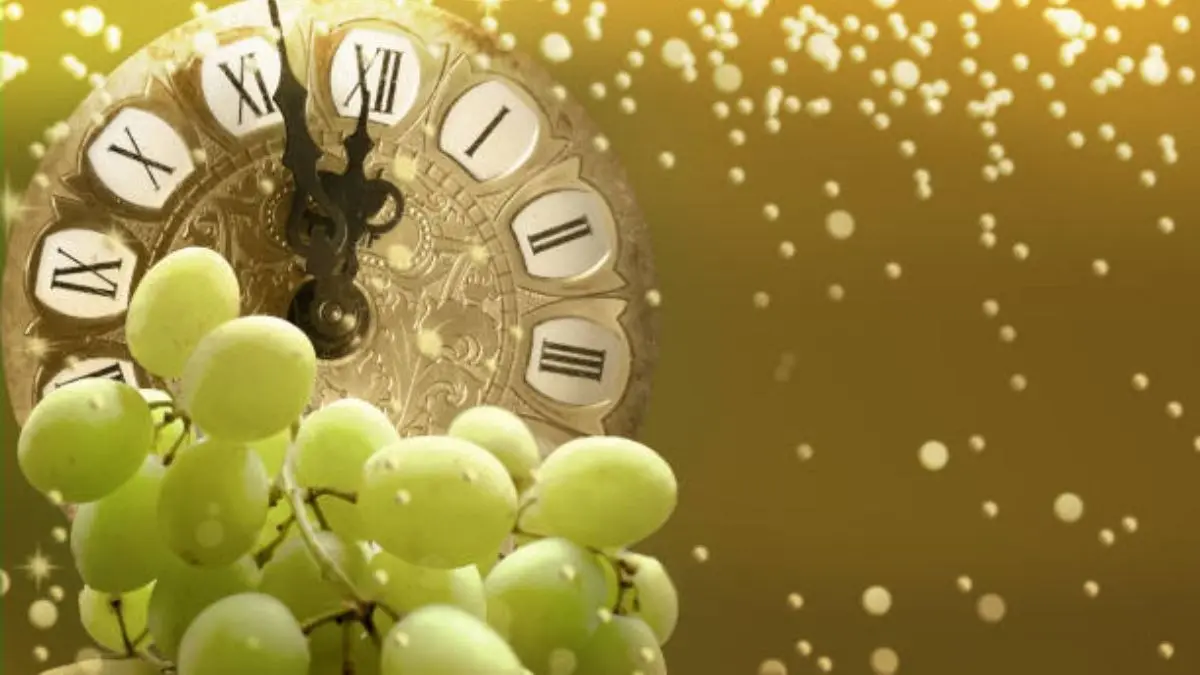
If you have seen Modern Family, or have been scrolling Instagram for the past few days, a certain 12 grape tradition at 12 o'clock on New Year's Eve must have caught your fancy. The quirky yet increasingly popular custom has captured imaginations far beyond its birthplace in Spain. Last year, the tradition created a massive hype, even leading to a grape shortage on e-commerce and quick delivery apps such as Blinkit and Swiggy Instamart near December 31. As the tradition becomes popular on Instagram, let's understand the history and significance of it.
What is the origin of 12 lucky grapes?
The ritual of eating “las doce uvas de la suerte”, which translates to the twelve lucky grapes, originated in Spain in the late 19th century. Although exact origins vary depending on the account, the practice was already documented in Madrid by the 1890s and gained widespread popularity early in the 1990s.
One popular narrative suggests that vine growers in Alicante faced an abundant harvest in 1909 and promoted the idea of eating grapes at New Year’s to boost sales, packaging them as symbols of luck and prosperity for the coming year. Over time, the ritual became deeply embedded in Spanish culture and gradually spread to several Latin American countries. Some even believed that the 12 grapes, symbolising the 12 months of the year, are used as a way to ward off evil and embrace positivity and good luck.
Why only 12 grapes?
At its heart, the tradition connects each of the 12 grapes eaten with each bell chime at midnight to the 12 months of the coming year. Successfully eating all twelve in time is believed to usher in luck, prosperity, health, and happiness in the New Year. Today, in Spain, thousands of people gather at public squares, especially Madrid’s Puerta del Sol, to follow the tradition together, while millions watch the live broadcast at home. Beyond superstition, the practice promotes a sense of mindfulness, encouraging people to reflect on the year ahead and set positive intentions.
Advertisement
Why are the grapes supposed to be eaten under the table?
There are no historical references to the grapes being consumed under a table. Recently, the custom has gained fresh momentum on social media platforms like TikTok, with many eating the grapes under a table for extra luck, especially in the realms of love or personal wishes. It is believed that eating the grapes under the table helps ‘hide’ from bad luck. This is a modern twist to the Spanish traditions and is reportedly specially used for people seeking romantic relationships.
The right way to do the 12 lucky grapes at midnight tradition
If you’re curious to try the grape-eating ritual this New Year’s Eve, here’s a simple guide:
Advertisement
1. Prepare 12 ripe grapes ahead of time; some people peel and seed them to make eating easier within the limited time.
2. Start just before midnight, aligning each grape in a way that you finish all at the last minute before midnight on December 31.
3. Make a wish with each grape, focusing on hopes for each month ahead.
4. It is believed that the wishes should be aligned to positive outcomes and focus on personal growth.