
What is intermittent fasting and how to do it right? A step-by-step guide for beginners
How do you approach intermittent fasting, and how to get it right? Here is a short guide if you are a beginner and want to adopt this diet.
- Lifestyle News
- 3 min read

;'%3e%3cpath%20d='m8,15.99c4.41,0,7.99-3.58,7.99-7.99S12.41,0,8,0,0,3.59,0,8s3.58,7.99,7.99,7.99Z'%20style='stroke:%23fff;%20stroke-miterlimit:10;%20stroke-width:.02px;'/%3e%3cpath%20d='m3.08,3.37l3.82,5.11-3.84,4.15h.87l3.37-3.64,2.72,3.64h2.94l-4.04-5.39,3.58-3.87h-.86l-3.1,3.35-2.5-3.35h-2.94Zm1.27.64h1.35l5.97,7.99h-1.35l-5.97-7.99Z'%20style='fill:%23fff;'/%3e%3c/g%3e%3c/svg%3e)


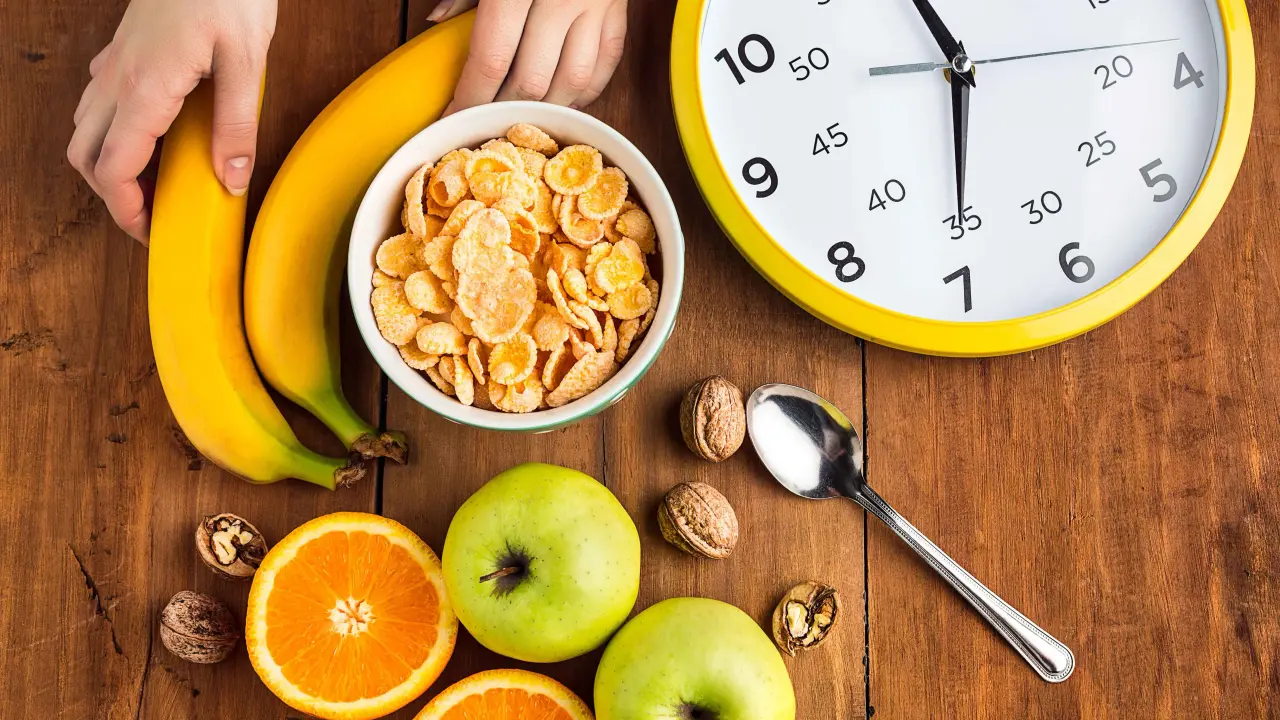
Intermittent fasting or IF has become very popular as a flexible and effective approach for weight loss and overall well-being. If done right, IF can offer several health benefits, from weight loss to improved metabolism. So, how do you approach intermittent fasting, and how to get it right? Here is a short guide if you are a beginner and want to adopt this diet.
Understanding intermittent fasting:
Intermittent fasting is not about restricting food but rather about changing when you eat. It cycles between periods of eating and fasting, allowing the body to burn stored fat for energy. Common IF methods include the 16/8 method (16 hours of fasting, 8 hours of eating) and the 5:2 method (eating normally for five days and drastically reducing calories for two non-consecutive days). Choose which method works best for you.
Stay hydrated during fasting periods:
Water is your ally during fasting periods. Staying hydrated helps curb hunger and aids the body's natural detoxification processes. Herbal teas and black coffee, consumed without sugar or cream, are also permitted during fasting hours.

Focus on nutrient-dense foods:
When breaking your fast, prioritise nutrient-dense, whole foods instead of diving into high-calorie foods straight away. Include lean proteins, fruits, vegetables, and whole grains to provide essential vitamins and minerals. This helps nourish your body and sustain energy levels.
Advertisement
Be careful about portion sizes:
While intermittent fasting doesn't dictate specific foods to eat and avoid, it's crucial to be careful of portion sizes. Use your eating window wisely, choosing nutrient-rich, satisfying meals that keep you full and nourished.
Include Healthy Fats:
Add healthy fats, such as avocados, nuts, seeds, and olive oil, into your meals. Healthy fats contribute to satiety, keeping you fuller for longer and preventing binge-eating. Good fats keep your body satisfied and your stomach full.
Advertisement
Your body knows the best:
Pay attention to hunger and fullness cues. Intermittent fasting is not about depriving your body of food; it's about creating a sustainable eating pattern. If you're always hungry outside of your fasting window, consider adjusting your eating schedule or opting for a more flexible approach to suit your needs.
Be consistent:
Consistency plays a vital role in reaping the benefits of intermittent fasting. Stick to your chosen method, and give your body time to adjust. Results may take weeks to become noticeable, so be patient and stay committed to the process instead of constantly stressing about the weighing scale.