
What Is Old Man Test, What Does It Reveal About Your Fitness Level?
Have a look at what the Old Man test can reveal about your fitness levels.
- Lifestyle News
- 2 min read

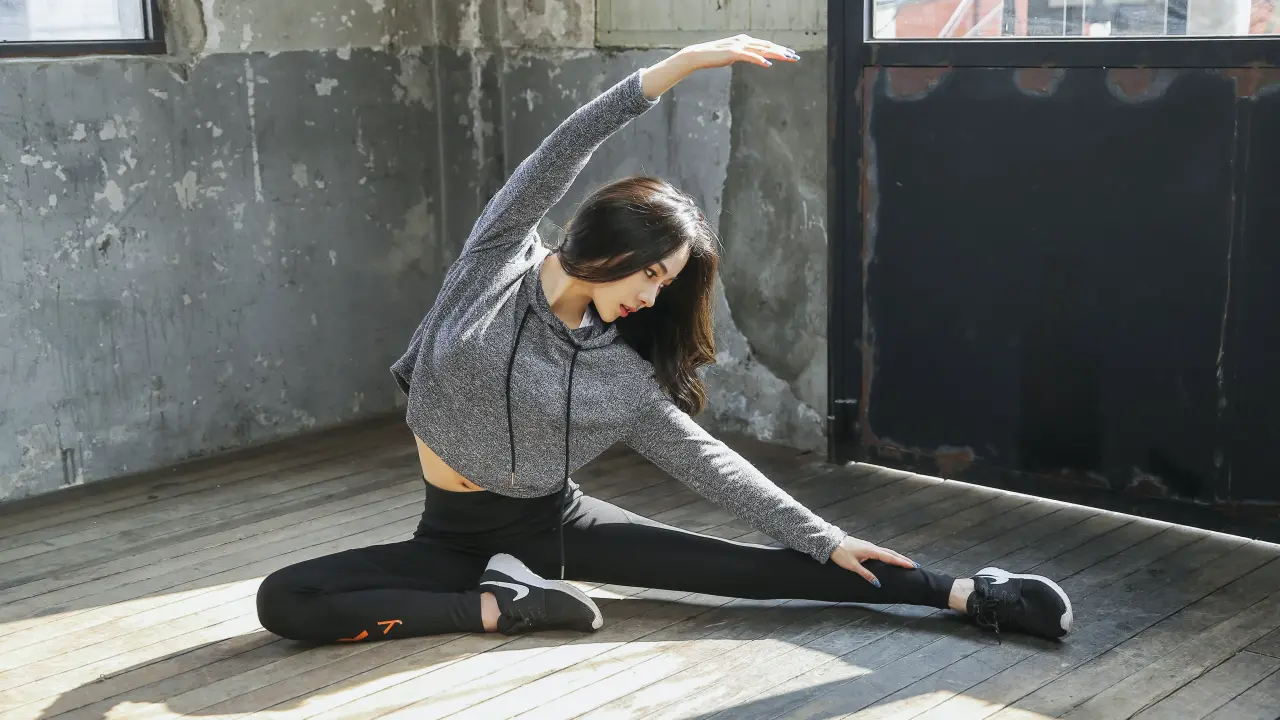
In the realm of fitness assessment, the "Old Man Test" has garnered attention for its unconventional approach. Detailed in a Medical News Today report, this test challenges individuals to perform a series of tasks focused on balance and flexibility, offering a quick gauge of one's physical fitness. The procedure requires standing on one foot to put on a sock and shoe, then tie the laces, all while maintaining balance—repeated on both sides without support.
However, the test's adaptability is crucial for inclusivity. For those with physical limitations or impairments, modifications can ensure the exercise remains beneficial. Tailoring the test to fit individual capabilities allows it to serve as a useful indicator of fitness and functional capacity, despite the need for customization to address specific needs.
What does failing this test translate to?
Failing the test is not an endpoint but a starting signal. Identifying weaknesses is key, followed by a dedicated plan encompassing exercise, nutrition, and recovery tailored to enhance cardiovascular endurance, muscular strength, flexibility, and agility. Lifestyle factors, including diet, sleep quality, and stress management, also play significant roles in improving overall fitness levels.

Fitness assessment
While the "Old Man Test" offers a quick method for assessing fitness, experts suggest complementing it with a comprehensive body composition analysis. Such analysis provides detailed insights into fat and muscle proportions, bone mass, body age, and visceral fat levels, offering a more nuanced understanding of one's physical health.
Advertisement
Attributes of old man test
Ultimately, while the "Old Man Test" introduces a fun and straightforward way to check on one's fitness, embracing a holistic approach to health assessment and improvement is recommended for a complete picture of physical well-being. However it can offer valuable insights into someone’s fitness level, it may not fully capture all aspects of youthfulness or physical capabilities beyond traditional assessments.” Other factors such as cognitive function, balance, coordination, and overall quality of life, he says, should also be considered when assessing someone’s holistic well-being and vitality.