
Coconut Sugar, Dates, Maple Syrup and Agave Nectar Rises In Popularity As Natural Sweeteners
Health enthusiasts have championed natural sweeteners over traditional refined sugar, citing minimal impact on blood sugar, however there are emerging concerns.
- Lifestyle News
- 3 min read

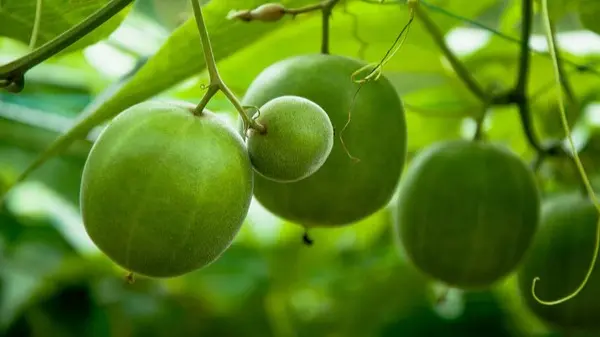
For years, health enthusiasts have championed natural sweeteners over traditional refined sugar, citing their low-calorie and minimal impact on blood sugar levels. Monk fruit extract and stevia have emerged as leading alternatives, boasting impressive sweetness with virtually no calories or carbohydrates. However, emerging concerns suggest these popular substitutes may not be as benign as once thought.

What effect do monk fruit extract and stevia have on your body?
The monk fruit extract is renowned for being 150 to 200 times sweeter than sugar, while stevia, derived from the stevia plant, is 200 to 300 times sweeter. Both options have been praised for their ability to avoid spikes in blood sugar levels, making them favourites among those watching their calorie intake. Yet, a recent wave of research is casting doubt on their long-term safety.
While monk fruit and stevia have been widely accepted, health experts are beginning to question their potential effects. Concerns include possible long-term metabolic impacts and other health risks that might not yet be fully understood. This has prompted some to reconsider their use and explore alternative sweeteners that might offer healthier profiles.
Healthier alternatives
Among these alternatives, coconut sugar has gained attention. Extracted from the sap of coconut palms, coconut sugar is praised for its low glycemic index, making it a viable option for those managing diabetes. It also contains essential minerals such as iron, zinc, calcium, and potassium, along with antioxidants and phytonutrients. This makes it not only a sweetener but a source of additional nutritional benefits.
Advertisement
Dates, both in their whole form and as syrup, have long been used to sweeten foods. Despite being high in carbohydrates, dates are rich in antioxidants, fiber, and vital minerals like phosphorus, calcium, and magnesium. These attributes contribute to their reputation as a healthful alternative to refined sugars.
Maple syrup, extracted from maple tree sap, is another contender. It is often associated with indulgent breakfast foods, but when consumed in moderation, maple syrup provides a natural source of sweetness and nutrients. Its antioxidant content and lower glycemic index compared to refined sugar make it a promising substitute.
Advertisement
Agave nectar, known for its vegan-friendly status, is sweeter than sugar and features a low glycemic index. However, it's important to note that agave nectar primarily consists of carbohydrates, despite having no fat, cholesterol, or sodium.
As consumers increasingly seek healthier alternatives to sugar, it is crucial to stay informed about the potential benefits and risks of each option. While monk fruit and stevia remain popular, diversifying one’s sweetener choices and considering new options like coconut sugar, dates, maple syrup, and agave nectar might provide not only variety but also better health outcomes in the long run.