
Culinary Delight: Unique Food Customs Followed By People Around The World
Take a look at the fascinating traditions followed by nations like Italy, Britain and Japan when it comes to food related etiquettes.
- Lifestyle News
- 2 min read

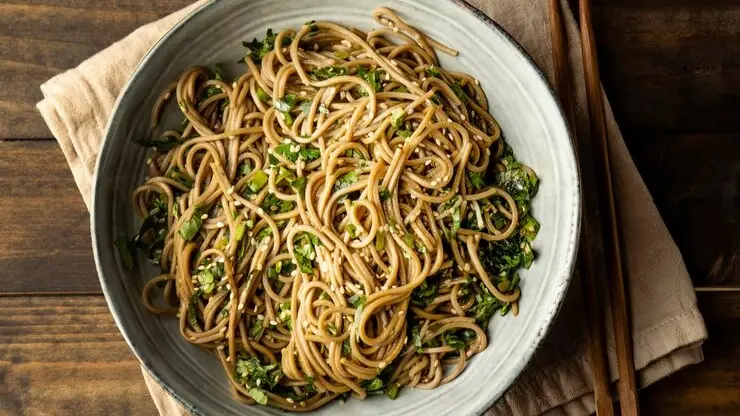
Culinary customs offer fascinating insights into the cultural identities of nations around the globe. From traditional dining etiquettes to specific food combinations, each country boasts unique practices that might seem unusual to outsiders. Let's embark on a culinary journey to discover some of the world's most intriguing food customs.
Thailand
In Thailand, a country celebrated for its sea-side flavours and diverse array of dishes, the use of utensils is governed by strict etiquette. Contrary to what many might expect, utilising a fork to directly consume food is considered improper. Instead, the fork's role is to guide food onto a spoon, which is then used for eating, highlighting a distinctive approach to dining that respects local traditions.
Italy
Italy, renowned for its rich culinary heritage and exquisite cheese varieties, surprisingly frowns upon the combination of seafood and cheese. This pairing, often explored in international cuisines, is deemed a culinary faux pas in Italy, where such a mixture is strictly avoided to preserve the authenticity of flavours.

Britain
Across the English Channel, Britain's revered tea culture is encapsulated in a series of rituals that underscore the nation's deep-rooted affection for this beloved beverage. From the precise method of stirring without clinking the edges of the cup to the prohibition of leaving the stirring spoon within it, these rituals reflect a meticulous appreciation for the art of tea-making.
Advertisement
Japan
Heading to Japan, the sounds of dining take on a different meaning, particularly when it comes to enjoying noodles or soup. Slurping is not only accepted but is regarded as a gesture of enjoyment and satisfaction, diverging from the typically quiet dining etiquettes found in other cultures.
South Korea
In South Korea, the act of beginning a meal carries significant cultural weight. It is customary for the eldest member of the dining party to take the first bite, symbolizing respect for seniority. This practice exemplifies the profound reverence for elders that permeates South Korean society.