
Updated 11 August 2024 at 20:15 IST
Non-Dairy Alternatives To Boost Calcium Intake In Vegans
Calcium, crucial for bone health & vitamin D synthesis, is a key nutrient often associated with dairy. If you don't like milk, then try out these alternatives.
- Lifestyle News
- 3 min read

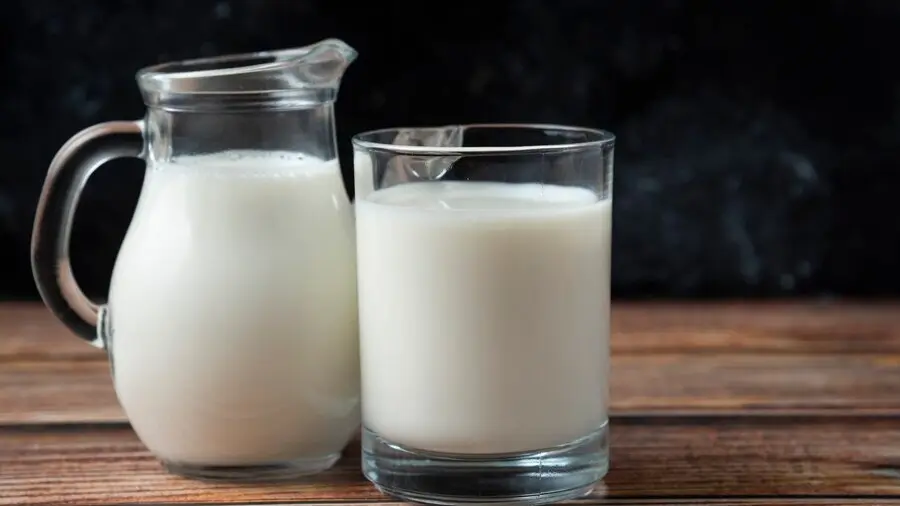
In many Indian households, drinking milk is a daily ritual, prized for its high content of calcium, protein, and milk fats. Calcium, crucial for bone health and vitamin D synthesis, is a key nutrient often associated with dairy. However, milk isn’t ideal for everyone—some struggle with lactose intolerance or simply dislike its taste. Fortunately, several non-dairy milk alternatives can provide ample calcium and meet your nutritional needs. Here’s a guide to some of the best substitutes:

Almond milk
Calcium Content: 200-300 mg per cup (fortified)
Almond milk, made from almonds and water, is a popular dairy-free option. It’s frequently fortified with calcium and vitamin D, making it a viable alternative to cow’s milk. With fewer calories and a subtle nutty flavor, it’s perfect for smoothies, cereals, and coffee.
Soy milk
Calcium Content: 300 mg per cup (fortified)
Advertisement
Soy milk, derived from soybeans, closely mimics the protein content of cow’s milk. Fortified versions offer a substantial amount of calcium and vitamin D, supporting bone health. Its creamy texture makes it an excellent choice for coffee, tea, and baking.
Oat milk
Calcium Content: ~350 mg per cup (fortified)
Advertisement
Made from oats, oat milk has surged in popularity for its smooth, mildly sweet taste. Fortified oat milk provides significant calcium and vitamin D, making it a good option for those who prefer a neutral flavor. It pairs well with coffee, cereals, and smoothies.
Rice milk
Calcium Content: 300 mg per cup (fortified)
Rice milk, created from rice and water, has a light, slightly sweet flavor. Fortified rice milk is a solid source of calcium and is often recommended for those with soy or nut allergies. It’s versatile for cooking, baking, and drinking.
Coconut milk
Calcium Content: ~450 mg per cup (fortified)
Coconut milk, made from coconut flesh, offers a rich, creamy texture and distinctive coconut flavor. Fortified versions provide ample calcium and vitamin D. It’s particularly good for cooking, especially in curries and desserts, adding a tropical twist to your meals.
Hemp milk
Calcium Content: 300-400 mg per cup (fortified)
Hemp milk, made from hemp seeds, is rich in calcium and omega-3 fatty acids. It has a slightly nutty taste and provides a comparable calcium content to dairy milk. It’s a versatile ingredient for various recipes and supports overall health.
Chia seeds
Calcium Content: 180 mg per ounce (28 grams)
Chia seeds are nutrient-dense and offer a significant amount of calcium. They can be added to smoothies, yogurt, or used to make chia pudding. Along with calcium, chia seeds provide fiber and omega-3 fatty acids, making them a valuable addition to your diet.
These non-dairy options not only cater to those who can’t or choose not to drink milk but also offer various flavors and textures to suit different preferences and dietary needs.
Published By : Devasheesh Pandey
Published On: 11 August 2024 at 20:15 IST