
'Smoking Hot!': Mysterious Million-year-old Flame Nebula Captured By NASA Hubble Stuns Space Lovers
NASA shared some mesmerising images captured by its Hubble in space. Nebula's are cloud formation of dust and gas accumulated over hundreds of light-years.
- Science News
- 2 min read

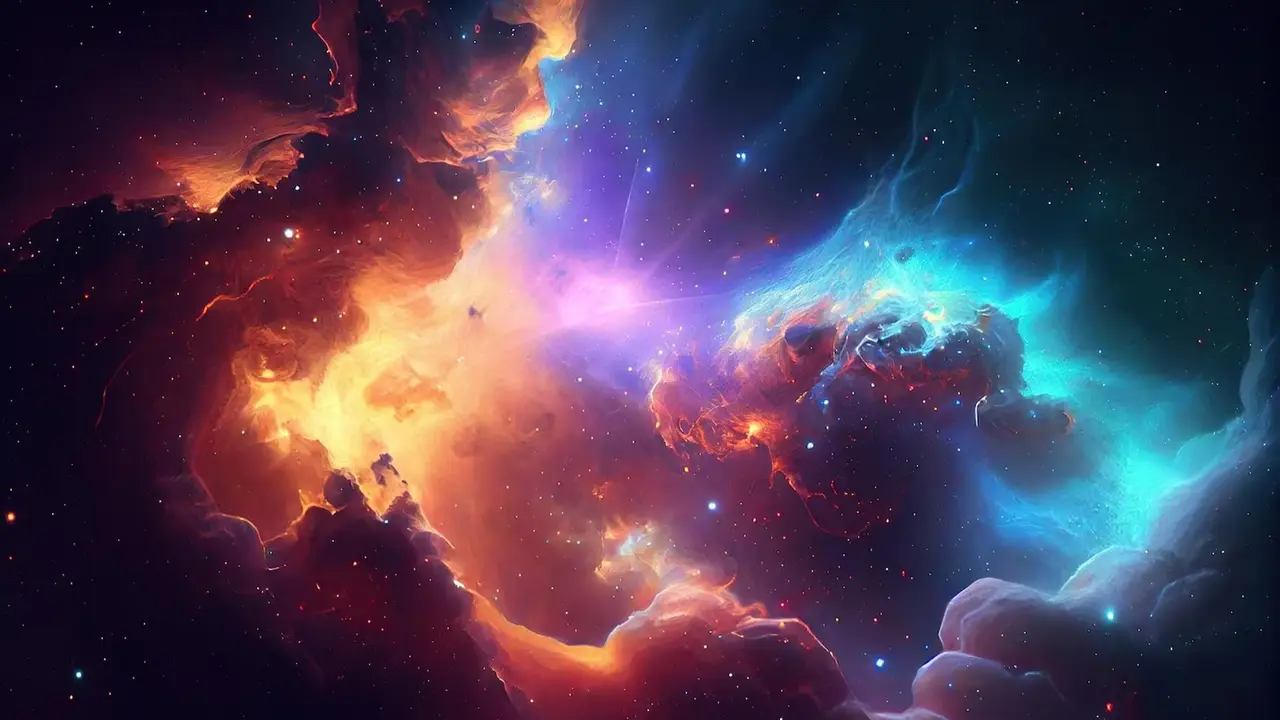
Science: NASA's Hubble Space Telescope shared stunning images of the mysterious Flame Nebula, a celestial marvel located approximately 1,400 light-years away from Earth. NASA shared these mesmerising images captured by its Hubble in space on social media. NASA shared new details in the Flame Nebula revealing hotbed of young brown dwarfs. These images are so amazing that it just stuns the space lovers all over the world.
What is Nebula?
Nebula's are nothing but the cosmic dust accumulated over a long period of time consist ionized, neutral, or molecular hydrogen. These Nebula's can be huge in size as vast as hundred light-years in size.
Flame Nebula
Advertisement
Flame Nebula, located as far as 1,400 light-years away from Earth, is a hotbed of star formation less than 1 million years old. The Flame Nebula, are objects so small that their cores will never be able to fuse hydrogen like full-fledged stars.
NASA shared the images captured by its Hubble from different angles, “Take a deep breath and gaze into the Flame Nebula”
Advertisement

How Nebula's Are Different From Supernova
Nebula's are cloud formation of dust and gas accumulated over hundreds and thousands of light years. Where as supernova's are luminous explosion of stars spread into millions of particles that take place during the final stages of the death of a massive star in different galaxies.
Brown dwarfs, given the difficulty of finding them, have a wealth of information to provide, particularly in star formation and planetary research given their similarities to both stars and planets. NASA’s Hubble Space Telescope has been on the hunt for these brown dwarfs for decades.
Brown Dwarf Study
After examining the lowest mass limits of star and brown dwarf formation, researchers can gain a deeper understanding of the processes that govern the birth and evolution of celestial bodies. The data collected from Hubble's observations will contribute to our knowledge of the universe and the fundamental mechanisms that drive star formation.