
Updated 19 April 2022 at 18:07 IST
NASA’s Perseverance rover is ‘excited’ as it prepares to uncover new secrets of Mars
NASA's Mars Perseverance rover was currently exploring the ancient river delta at the Jezero crater where it landed in February last year.
- Science News
- 2 min read

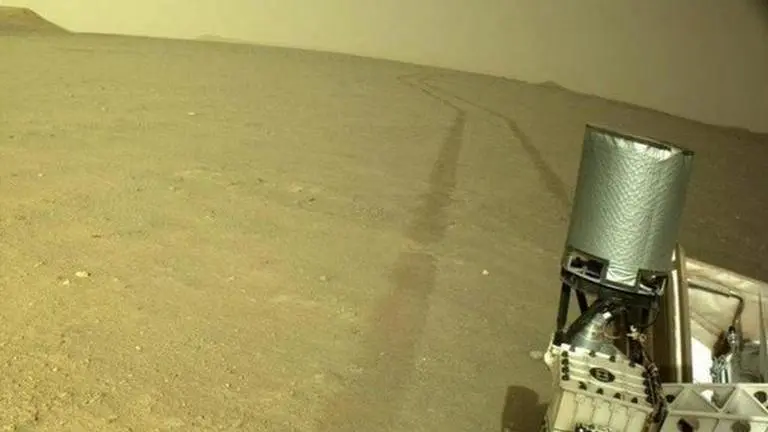
NASA's Perseverance rover seems pretty excited as it heads toward a new exploration site to uncover new secrets about the history of Mars. The robotic geologist was currently exploring the river delta at the Jezero crater where it landed in February last year. "My long haul to the ancient river delta is almost done. Up ahead: layered rocks, laid down in water, sure to hold secrets of what their environment was once like. Could they even give hints about past life? Time will tell…", the Twitter-savvy rover tweeted.
My long haul to the ancient river delta is almost done. Up ahead: layered rocks, laid down in water, sure to hold secrets of what their environment was once like. Could they even give hints about past life? Time will tell…
— NASA's Perseverance Mars Rover (@NASAPersevere) April 15, 2022
More in the latest team blog: https://t.co/OH4pflHxaI pic.twitter.com/Nq5x0x1TkC
Perseverance rover set to make new revelations
In a newly published blog, the Perseverance Mars rover team explained the features of the river delta that once existed in the Jezero crater and the possibilities lying ahead. According to NASA, the delta on Mars formed through the same known method, which starts when a sediment-laden river runs into a body of standing water. When this river slows down and can no longer hold its sediments, it drops the rocks, gravel and soil in the water body which sinks to the bottom forming a delta.
"Over time, the delta becomes a layered repository, like a book with pages, which one can turn over each day to learn more about the history of Mars", the mission team wrote in its blog. Interestingly, NASA says that Perseverance's rock sampling at the new site if it gets access to rocks that are like a history book on Mars. It is also worth noting that finding fossilised traces of ancient Martian life in these delta rocks is another exciting possibility.
According to NASA, life must have first started on Mars about four billion years ago, which is called the early Noachian period. Scientists believe that the red planet was much more friendly to life back then and was preserved until it was washed away. "So these interesting rocks will arrive somewhat randomly to us as we explore the delta, one can appreciate that every day of the year-long “Delta campaign” will be exciting for every scientist on the team because every day could be the day we hit it big. Real big", the mission team said.
Advertisement
Image: Twitter/@NASAPersevere
Published By : Harsh Vardhan
Published On: 19 April 2022 at 18:07 IST