
Tau Herculids meteor shower to peak on May 31; here's how to watch the event live
NASA has predicted that this week could be of great interest to astronomy enthusiasts as a rare meteor shower is likely to occur on the nights of May 30 and 31.
- Science News
- 2 min read

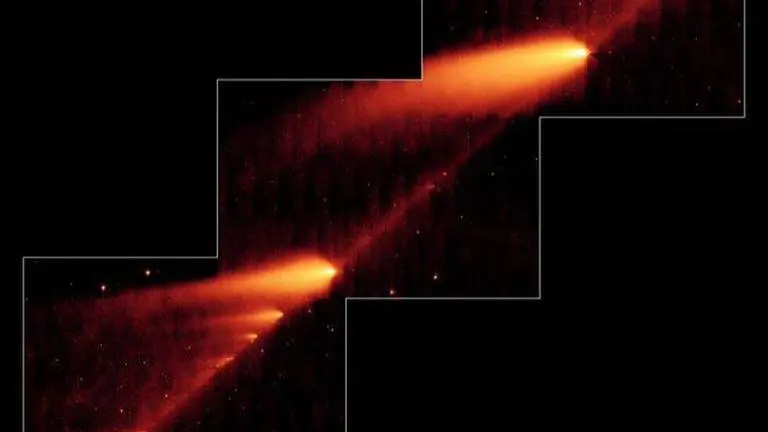
NASA has predicted that this week could be of great interest to astronomy enthusiasts as a rare meteor shower is likely to occur on the nights of May 30 and 31. This meteor shower, named tau Herculids, will happen courtesy of a comet known as 73P/Schwassmann-Wachmann or SW3. Notably, scientists are not sure if the meteor shower will occur for sure and as NASA astronomer Bill Cooke says, it could be “an all or nothing event.”
Will a new #meteorshower, the tau Herculids, put on a spectacular show the night of May 30-31? Maybe, maybe not. But if you have clear weather, the moonless sky should be beautiful for stargazing anyway.
— NASA Solar System (@NASASolarSystem) May 27, 2022
Details: https://t.co/GzrnnIBkMD
All about meteors: https://t.co/SFZJQwdPxf pic.twitter.com/ShKZmc24Mc
How to watch the meteor shower?
Interested viewers can watch the rare celestial phenomenon through the Virtual Telescope Project’s YouTube channel which will air the event live. According to the Virtual Telescope, the broadcast will begin at 9:30 am (IST) on May 31, which is the time when the meteor shower will be at its peak.
Where are the meteors coming from?
The tau Herculid is basically the debris cloud that resulted from the fragmentation of the 73P/Schwassmann-Wachmann (SW3) comet. After its discovery in 1930, the comet disappeared until reappearing in the 1970s. After its re-discovery, the comet looked normal until 1995 and was hard to spot without a telescope. However, further monitoring revealed that the comet had become about 600 times brighter and was relatively easier to spot with the naked eye.
NASA said that it was in 1995 when the comet disintegrated and revealed that we might get to see a meteor shower if the fragments were ejected with speeds greater than twice the normal speeds and are fast enough to reach Earth. Cooke, who leads NASA’s Meteoroid Environment office, said in a statement, “If the debris from SW3 was travelling more than 220 miles per hour when it separated from the comet, we might see a nice meteor shower. If the debris had slower ejection speeds, then nothing will make it to Earth and there will be no meteors from this comet”.
Advertisement
As mentioned above, astronomers are not certain but only hopeful to spot the meteor shower. If it does happen, NASA says that the event would be spectacular as there will be no moonlight to wash out the meteors.