
When is the Full Moon in March 2021? Why is it believed to be significant?
A total of 12 full moons can be witnessed in a year. With March ending, the third full moon is around the corner. When is the full moon in March 2021?
- Science News
- 2 min read

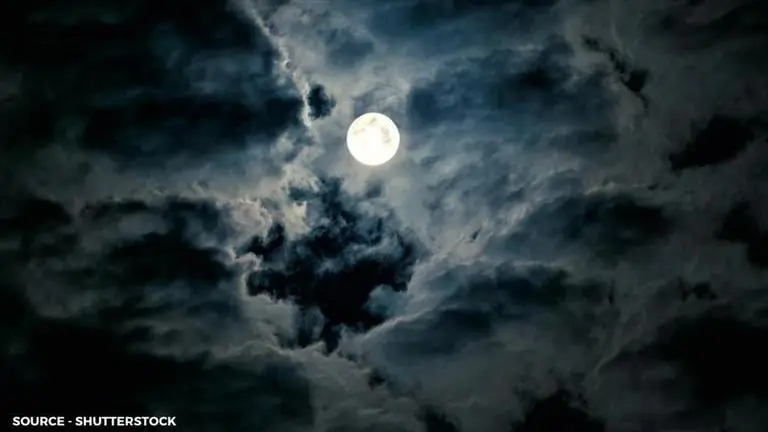
Full Moon, also known as Worm Moon in several countries, is arriving for the third time this year in the ongoing month of March just before it wraps up. Many beliefs are associated with this day of the lunar cycle in particular, with varying theories in different countries. Let's find out when is the full moon in March 2021 and its significance around the world.
When is the Full Moon in March 2021?
As of today, March 34, the moon is still in its Waxing Gibbous stage and is heading for full illumination on the night of March 28 of this year. Waxing Gibbous is a lunar phase during which the illuminated part of the moon grows from 50.1% to 99.9%. While Gibbous refers to the oval-to-round shape of the moon, waxing means that it's getting bigger and is progressing towards a full moon. A full moon occurs after every 29.3 days after going through eight distinct phases. According to Express, the estimated time for peak illumination is at about 7:48 pm BST or 12:18 am IST on Sunday.
In many parts of the world, full moons are considered to be a sign of death or rebirth. This is synonymous with the completion of the lunar cycle as the full moon signifies the start and the end of a cycle. Astrologers state that emotions and tensions are heightened during the night of the full moon as Sun and Moon oppose each other in this phase, leading to uncomfortable friction. They believe that this affects every sun sign on the chart in various ways. In Christian tradition, it is believed that the full moon helps deepen the prayers to God and the March Full Moon, in particular, is of relevance to them as Easter falls a day after the Full Moon of spring.
In the Hindu calendar, the full moon day or Purnima is considered an auspicious day and is associated with Lord Vishnu. Worshippers of Vishnu observe a fast on this day and engage in spiritual rituals like aarti/prayers to celebrate. Even practically speaking, time-to-time fasts are said to be needed for the body as it reduces the acidic content in our system and lowers down the metabolic rate. As a result, even people who aren't avid believers of the celebrations end up keeping fasts during this day.