
Apple launches iOS 18 feature that makes breaking into iPhones harder
The new iOS update is the latest attempt at making the iPhone harder to compromise, adding to the frustration of law enforcement agencies.
- Tech News
- 2 min read

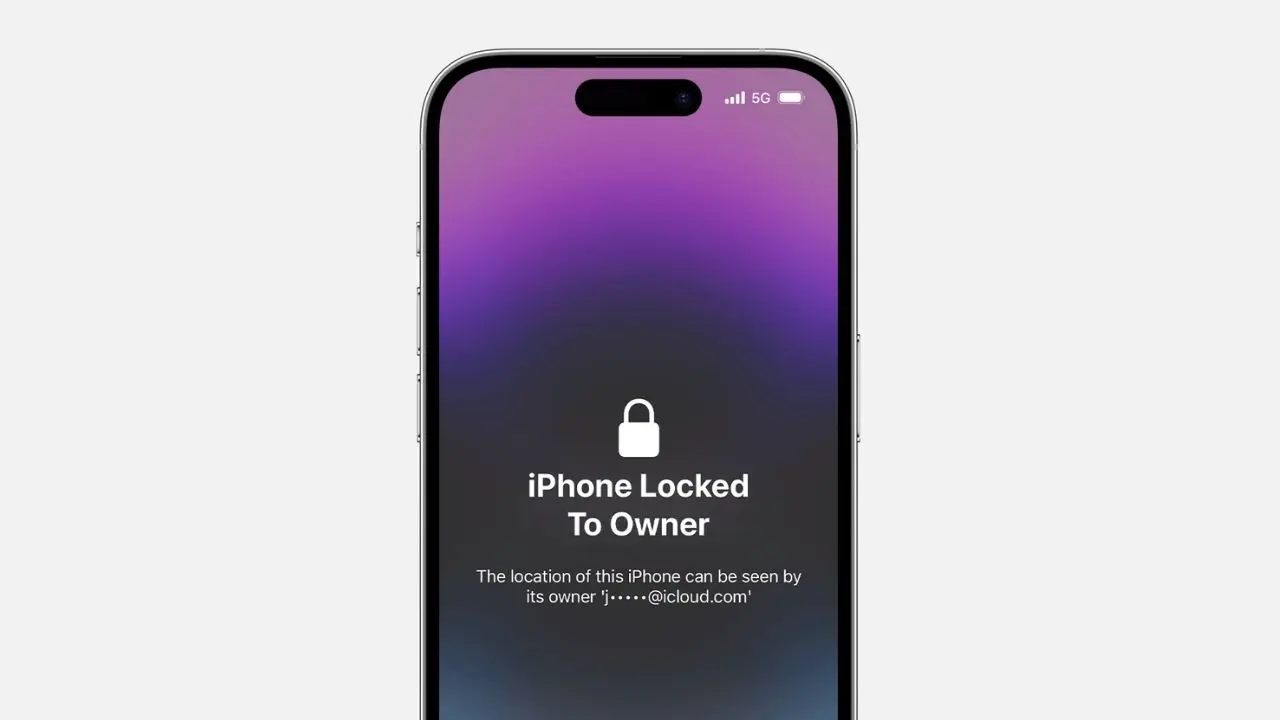
A new iOS 18 feature will apparently make it harder for law enforcement agencies to unlock iPhones that have remained locked for a few days. Introduced quietly to all the eligible iPhone models that support the iOS 18 update, the new feature reboots the iPhone if it has not been unlocked using legitimate methods for four days, challenging attempts at breaking into the device.
As reported by 404 Media, the feature is called "inactivity reboot," implemented in 'keybagd' and the 'AppleSEPKeyStore' kernel extension. The new functionality was discovered by iPhone security experts after reports of iPhones, stored for examination at police stations in the US, began rebooting automatically. iPhones restarting first triggered police warnings based on the assumption that Apple pushed an update to cause the devices to reboot, but a closer look under the hood revealed the "inactivity reboot" code in iOS 18.1.
According to Chris Wade, founder of mobile analysis company Corellium, iPhones running iOS 18.1 will automatically reboot in case they have not been unlocked for four days. After they have restarted, iPhones will enter a more secure "Before First Unlock," or BFU, state. This mode restricts law enforcement officials or anyone trying to pry into the iPhone from extracting data from the iPhone, according to Dakota State University's digital forensics lab (via The Verge).
The BFU state is triggered on both iOS and Android devices and can be removed only through the pattern, passcode, or PIN. The biometric-based unlocking facility does not work the first time someone tries to unlock the iPhone.
Advertisement
The new iOS update is the latest attempt at making the iPhone harder to compromise, adding to the frustration of law enforcement agencies that have repeatedly asked Apple to create backdoors for data extraction, especially in cases involving criminals. Apple has resisted these requests, including those from the Forensics Bureau of Investigation (FBI) of the US, which later resorted to developing workarounds to get into the iPhone.