
CES 2026: Wi‑Fi 8 vs Wi‑Fi 7 – Key Differences Explained for Faster, Smarter Connectivity
Here are the major differences between Wi-Fi 8 and Wi-Fi 7 unveiled at CES 2026. Wi-Fi 8 promises faster speeds, improved latency, better energy efficiency, and enhanced security compared to Wi-Fi 7.
- Tech News
- 2 min read

;'%3e%3cpath%20d='m8,15.99c4.41,0,7.99-3.58,7.99-7.99S12.41,0,8,0,0,3.59,0,8s3.58,7.99,7.99,7.99Z'%20style='stroke:%23fff;%20stroke-miterlimit:10;%20stroke-width:.02px;'/%3e%3cpath%20d='m3.08,3.37l3.82,5.11-3.84,4.15h.87l3.37-3.64,2.72,3.64h2.94l-4.04-5.39,3.58-3.87h-.86l-3.1,3.35-2.5-3.35h-2.94Zm1.27.64h1.35l5.97,7.99h-1.35l-5.97-7.99Z'%20style='fill:%23fff;'/%3e%3c/g%3e%3c/svg%3e)


New Delhi: At CES 2026, Wi‑Fi 8 stole the spotlight. Just two years after Wi‑Fi 7 was officially launched in 2024, tech companies are already racing ahead with the next generation. While Wi‑Fi 7 is still making its way into homes and offices, Wi‑Fi 8 was showcased through demos, concept routers, and new chipsets. The excitement was clear, but so was the question: what makes Wi‑Fi 8 different from Wi‑Fi 7?
Speed Is Not the Story
Wi‑Fi 7 already delivers blazing speeds of up to 46Gbps, enough for streaming, gaming, and video calls without breaking a sweat. Wi‑Fi 8 does not raise that maximum speed. Instead, the focus shifts to how connections behave in real life: stability, reliability, and efficiency.
Stronger Connections at Longer Distances
One of the biggest improvements is how Wi‑Fi 8 handles distance. With Wi‑Fi 7, signals weaken as you move away from the router. Wi‑Fi 8 promises steadier connections even in far corners of a home or office. This means fewer interruptions during video calls, smoother online gaming, and more reliable streaming, no matter where you are.
Smarter in Crowded Spaces
In apartments or offices where many routers compete for space, Wi‑Fi 7 can struggle with interference. Wi‑Fi 8 introduces smarter spectrum coordination, allowing routers to work together instead of clashing. This reduces congestion and ensures smoother performance when multiple devices are connected at once.
Advertisement
Built for Smart Homes and AI Devices
Wi‑Fi 8 is designed with the future in mind. It strengthens communication with low‑power devices such as smart lights, sensors, and controllers, making smart homes more reliable. It also supports near‑zero latency for cloud gaming, real‑time voice chats, and multi‑device collaboration, areas where Wi‑Fi 7 still faces challenges under heavy load.
Industry Leaders Push Ahead
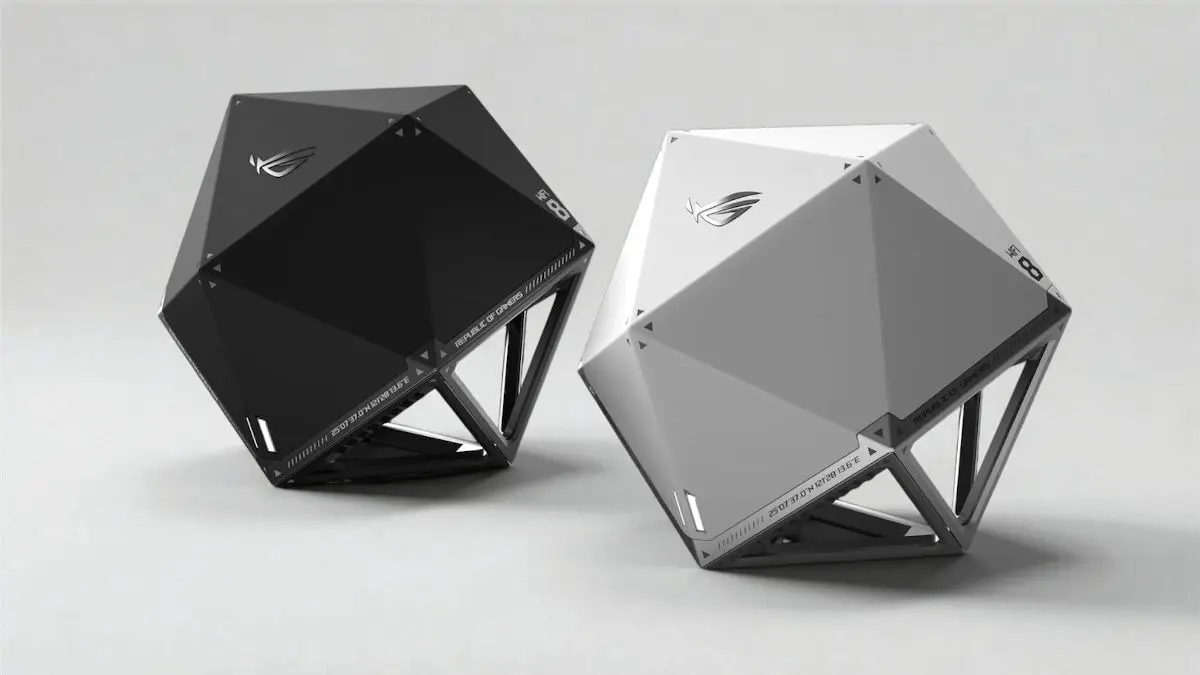
At CES 2026, Asus unveiled its Wi‑Fi 8 concept router, the ROG NeoCore, and conducted the first real‑world throughput test. MediaTek introduced its Filogic 8000 chips, while Broadcom revealed new Wi‑Fi 8 components. These early products show that the industry is preparing for Wi‑Fi 8 even though the official standard, IEEE 802.11bn, is not expected to be finalized until 2028.
Advertisement
Wi‑Fi 7 gave us speed. Wi‑Fi 8 is about making that speed more reliable. It is designed to solve everyday problems like signal drops, crowded networks, and smart device glitches. In short, Wi‑Fi 8 is not about going faster, it is about staying stronger, smarter, and steadier.