
FBI Confirms It Buys Data to Track People, Patel Tells Senate
The FBI has confirmed it is buying commercially available data to track people’s movements, bypassing the warrant process required for cell provider records. Lawmakers are pushing new reforms to close this loophole and strengthen privacy protections.

;'%3e%3cpath%20d='m8,15.99c4.41,0,7.99-3.58,7.99-7.99S12.41,0,8,0,0,3.59,0,8s3.58,7.99,7.99,7.99Z'%20style='stroke:%23fff;%20stroke-miterlimit:10;%20stroke-width:.02px;'/%3e%3cpath%20d='m3.08,3.37l3.82,5.11-3.84,4.15h.87l3.37-3.64,2.72,3.64h2.94l-4.04-5.39,3.58-3.87h-.86l-3.1,3.35-2.5-3.35h-2.94Zm1.27.64h1.35l5.97,7.99h-1.35l-5.97-7.99Z'%20style='fill:%23fff;'/%3e%3c/g%3e%3c/svg%3e)


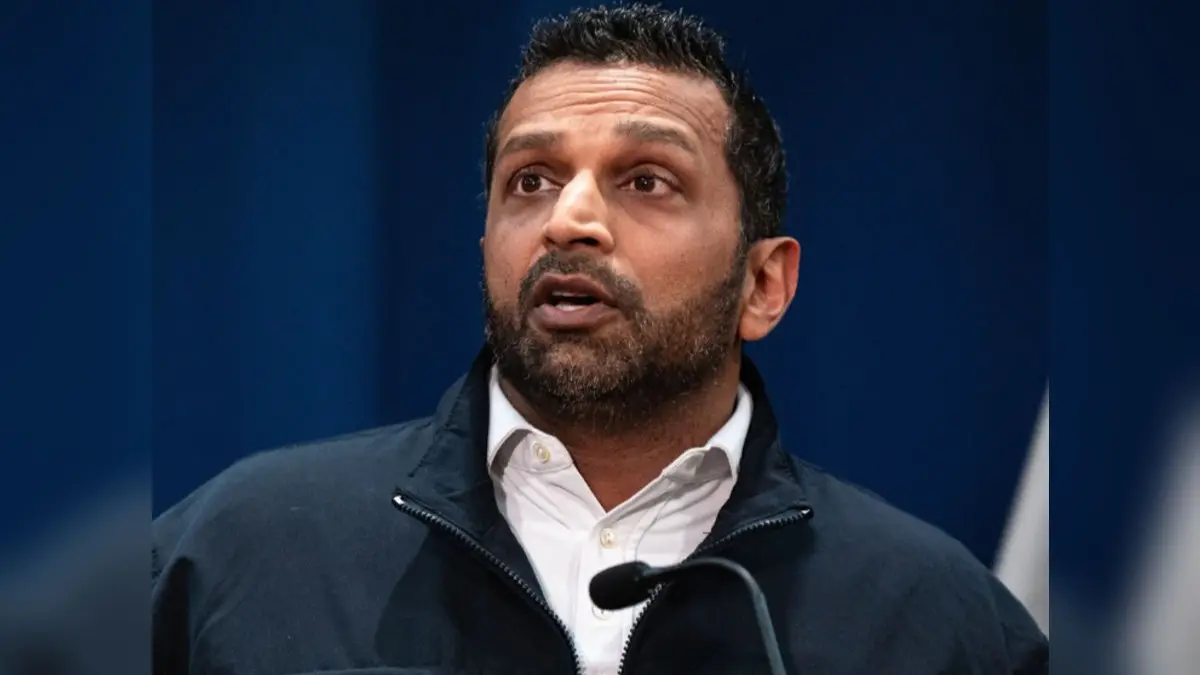
The FBI has officially admitted that it is buying data from brokers to help track people’s movements and location history. Director Kash Patel told senators during a national security hearing that the bureau purchases “commercially available information” and argued it is legal under existing privacy laws.
This is the first time the FBI has confirmed it is actively buying such data since 2023, when former Director Christopher Wray said the practice had stopped. Patel’s statement shows the agency has resumed using this method to gather intelligence.
The issue is controversial because of a 2018 Supreme Court ruling in Carpenter v. United States, which requires law enforcement to get a warrant before obtaining location data from cell phone providers. By buying the same information from data brokers instead, the FBI avoids the warrant process.
Lawmakers say this loophole undermines constitutional protections. Senator Ron Wyden (D‑Ore.) called it “an outrageous end run around the Fourth Amendment,” warning that combining warrantless data purchases with artificial intelligence tools makes it even easier for agencies to sift through huge amounts of private information. Wyden and Senator Mike Lee (R‑Utah) have introduced the Government Surveillance Reform Act, which would force agencies to get a warrant before buying Americans’ personal data.
Advertisement
Concerns about government surveillance go beyond the FBI. The Department of Homeland Security has faced lawsuits for allegedly tracking protestors, and the Pentagon recently flagged AI company Anthropic as a risk after it refused to let its technology be used for mass surveillance.
Patel himself has drawn criticism in the past for questionable use of government resources, including ordering SWAT protection for his girlfriend. His latest admission adds fuel to the debate over how far federal agencies should be allowed to go in collecting personal information without direct oversight.