
Foldable iPhone May Ditch Face ID—This Is How You Could Unlock It
Removing Face ID would give Apple more flexibility to slim down bezels, improve crease engineering and keep the foldable iPhone lighter.

;'%3e%3cpath%20d='m8,15.99c4.41,0,7.99-3.58,7.99-7.99S12.41,0,8,0,0,3.59,0,8s3.58,7.99,7.99,7.99Z'%20style='stroke:%23fff;%20stroke-miterlimit:10;%20stroke-width:.02px;'/%3e%3cpath%20d='m3.08,3.37l3.82,5.11-3.84,4.15h.87l3.37-3.64,2.72,3.64h2.94l-4.04-5.39,3.58-3.87h-.86l-3.1,3.35-2.5-3.35h-2.94Zm1.27.64h1.35l5.97,7.99h-1.35l-5.97-7.99Z'%20style='fill:%23fff;'/%3e%3c/g%3e%3c/svg%3e)


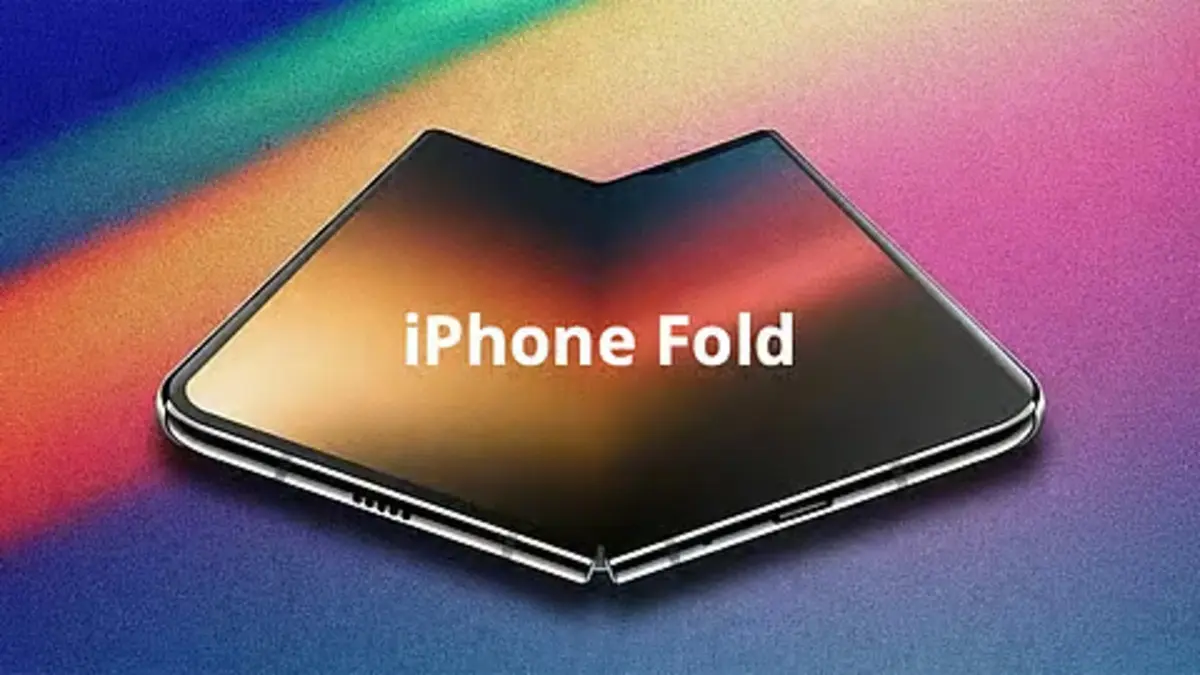
Apple’s first foldable iPhone is still unannounced, but a new report suggests it may ship without the company’s signature Face ID hardware. Instead of full 3D facial recognition, Apple could be exploring other biometric options better suited to the tight space and design constraints of a foldable display. Its Touch ID technology is, thus, expected to make a comeback.
Why Face ID may be dropped
Face ID relies on a complex TrueDepth camera system with infrared sensors, a dot projector and a front-facing camera, all housed in a notch or Dynamic Island cutout. On a foldable, where screen thickness, crease mechanics and bezel size are far more constrained, making room for this full module without compromising durability or display quality is significantly harder.
Removing Face ID would give Apple more flexibility to slim down bezels, improve crease engineering and keep the device lighter, while avoiding a large cutout on an already complex display. It would also simplify internal layouts, where every fraction of a millimetre matters in a hinge-based design.
How you might unlock it instead
If Apple ditches Face ID on the foldable iPhone, it could equip the device with a side-mounted fingerprint sensor, featuring the company's Touch ID technology. The power button could double as a fingerprint reader, offering fast, reliable unlocks without complicating the display.
Advertisement
Other methods that previous reports have suggested include:
Under-display Touch ID: Apple has been researching in-display fingerprint sensing for years, and a foldable could be the first iPhone to revive Touch ID in optical or ultrasonic form beneath the screen. This would let users tap a marked region to unlock, approve purchases or authenticate apps.
Advertisement
Enhanced passcode and device-to-device unlock: Apple could lean more on Apple Watch and nearby-device unlock, where your watch or another trusted Apple device helps authenticate you automatically when in proximity.
In practice, the most likely scenario is a fingerprint-based primary biometric (under-display or side-mounted), combined with standard passcodes and Apple’s existing ecosystem authentication features.
What this means for users
For users accustomed to Face ID, a move back to fingerprint unlock would be a major shift, but not necessarily a downgrade. Modern fingerprint sensors are fast, work in more lighting conditions, and are less affected by masks, sunglasses or angle. At the same time, dropping Face ID on the foldable would not mean Apple is abandoning it across the lineup. Traditional slab iPhones would almost certainly keep Face ID as their main biometric.