
Google I/O 2026: Search Gets Biggest AI Upgrade Yet as Google Introduces Smart Agents and Gemini Spark
Google unveiled a sweeping overhaul of Search at I/O 2026, introducing AI Mode, Gemini Spark, and proactive information agents. The redesigned search box now supports natural language, multimedia inputs, and conversational AI, marking the biggest shift in Search in 25 years.
- Tech News
- 4 min read

;'%3e%3cpath%20d='m8,15.99c4.41,0,7.99-3.58,7.99-7.99S12.41,0,8,0,0,3.59,0,8s3.58,7.99,7.99,7.99Z'%20style='stroke:%23fff;%20stroke-miterlimit:10;%20stroke-width:.02px;'/%3e%3cpath%20d='m3.08,3.37l3.82,5.11-3.84,4.15h.87l3.37-3.64,2.72,3.64h2.94l-4.04-5.39,3.58-3.87h-.86l-3.1,3.35-2.5-3.35h-2.94Zm1.27.64h1.35l5.97,7.99h-1.35l-5.97-7.99Z'%20style='fill:%23fff;'/%3e%3c/g%3e%3c/svg%3e)


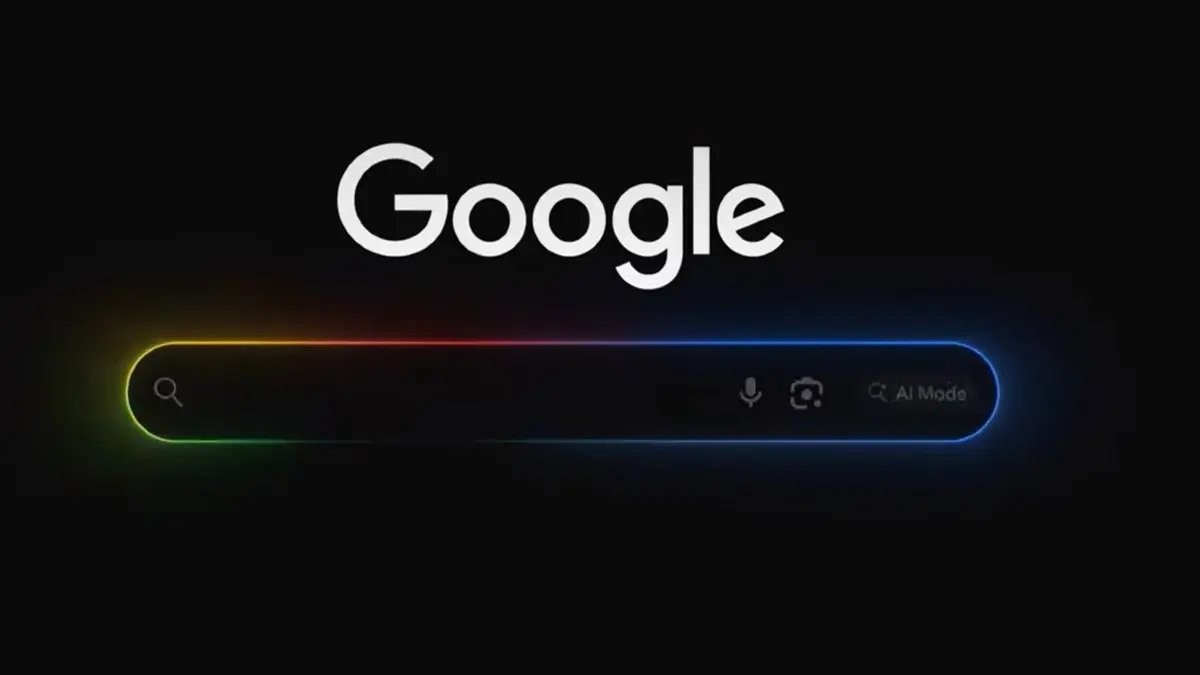
Google has unveiled a sweeping overhaul of its Search platform at the annual Google I/O 2026 conference, signalling a major shift away from the traditional “type-and-click” internet experience towards a more proactive AI-driven system.
The company announced that Search will now behave less like a static search engine and more like an intelligent assistant capable of understanding context, handling ongoing tasks, and even continuing work in the background after a user leaves the page.
According to Google, its AI Mode has already crossed one billion monthly users globally, with AI-related search activity growing rapidly every quarter. The tech giant said the latest upgrades are designed to make Search more conversational, personalised and action-oriented.
Search Box Gets Its Biggest Redesign in Decades
One of the biggest announcements from the event was the complete redesign of Google’s search box, something the company described as its most significant Search interface update in over 25 years.
Advertisement
The new system allows users to ask detailed natural-language questions instead of relying only on short keyword-based searches. Users can also include images, documents, videos and even open Chrome tabs while searching, making the experience feel closer to interacting with an AI assistant than a conventional search engine.
Google has also upgraded autocomplete using its Gemini 3.5 Flash model. Instead of merely predicting words, the AI now helps users shape complete questions dynamically as they type.
Advertisement
The company is further blending AI Overviews with AI Mode to create a smoother experience. Users who continue a conversation after receiving an AI-generated summary will automatically shift into AI Mode, where Search behaves more like a chatbot capable of handling follow-up questions while remembering previous context.
Google Wants Search to Keep Working Even After You Leave
A major focus of the announcement was the introduction of “information agents”, AI systems designed to monitor the web continuously on behalf of users.
Rather than repeatedly checking websites manually, users will be able to instruct Search to keep tracking information in the background. During demonstrations, Google showed agents monitoring apartment listings, product availability, sports developments and other live updates.
For example, someone searching for a particular sneaker size can set preferences once, and the AI agent will continue scanning online stores and send notifications when matching products become available.
Google indicated these agents will be capable of tracking websites, social media activity and online marketplaces automatically, with broader rollout expected later this summer.
Gemini Spark Introduced as a Full-Time AI Assistant
At the centre of the company’s AI push is Gemini Spark, which Google describes as a “24/7 personal AI agent.”
Unlike traditional assistants that only respond when prompted, Spark is designed to independently manage tasks and workflows across connected apps. Powered by Gemini 3.5, the tool integrates deeply with Google Workspace services including Gmail, Docs and Slides.
Google demonstrated Spark summarising email deadlines, generating reports from meeting notes, drafting follow-up emails and automating repetitive office work.
The AI assistant can also handle recurring monitoring tasks. In one example, Spark tracked monthly credit card bills to flag suspicious fees or hidden charges automatically.
The company says users will remain in control of permissions, with Spark requiring approval before carrying out sensitive actions such as sending emails or making purchases.
Google also confirmed support for third-party platforms including Canva, OpenTable and Instacart, while future updates are expected to add browser-control capabilities and direct interaction with websites.
Publishers and Websites May Face Fresh Pressure
The expansion of AI-powered search tools is likely to intensify concerns among publishers and online businesses already worried about declining website traffic.
As Google increasingly answers queries directly within Search using AI-generated summaries and proactive agents, fewer users may feel the need to visit external websites manually.
Despite the AI-heavy redesign, Google said traditional search results are not disappearing entirely. Users who prefer the older browsing experience will still be able to access standard blue-link results through the dedicated “Web” tab.
The updated Search experience has already started rolling out globally across desktop and mobile platforms.