
Googlebook Launch: Google Turns The Mouse Cursor Smart With New Gemini-Powered Magic Pointer
Google has unveiled Googlebook, a new AI-first laptop category powered by Gemini Intelligence and Android technologies. Unlike Chromebooks, Googlebook integrates AI directly into everyday workflows with features like Magic Pointer, contextual suggestions, and personalised widgets.
- Tech News
- 3 min read

;'%3e%3cpath%20d='m8,15.99c4.41,0,7.99-3.58,7.99-7.99S12.41,0,8,0,0,3.59,0,8s3.58,7.99,7.99,7.99Z'%20style='stroke:%23fff;%20stroke-miterlimit:10;%20stroke-width:.02px;'/%3e%3cpath%20d='m3.08,3.37l3.82,5.11-3.84,4.15h.87l3.37-3.64,2.72,3.64h2.94l-4.04-5.39,3.58-3.87h-.86l-3.1,3.35-2.5-3.35h-2.94Zm1.27.64h1.35l5.97,7.99h-1.35l-5.97-7.99Z'%20style='fill:%23fff;'/%3e%3c/g%3e%3c/svg%3e)


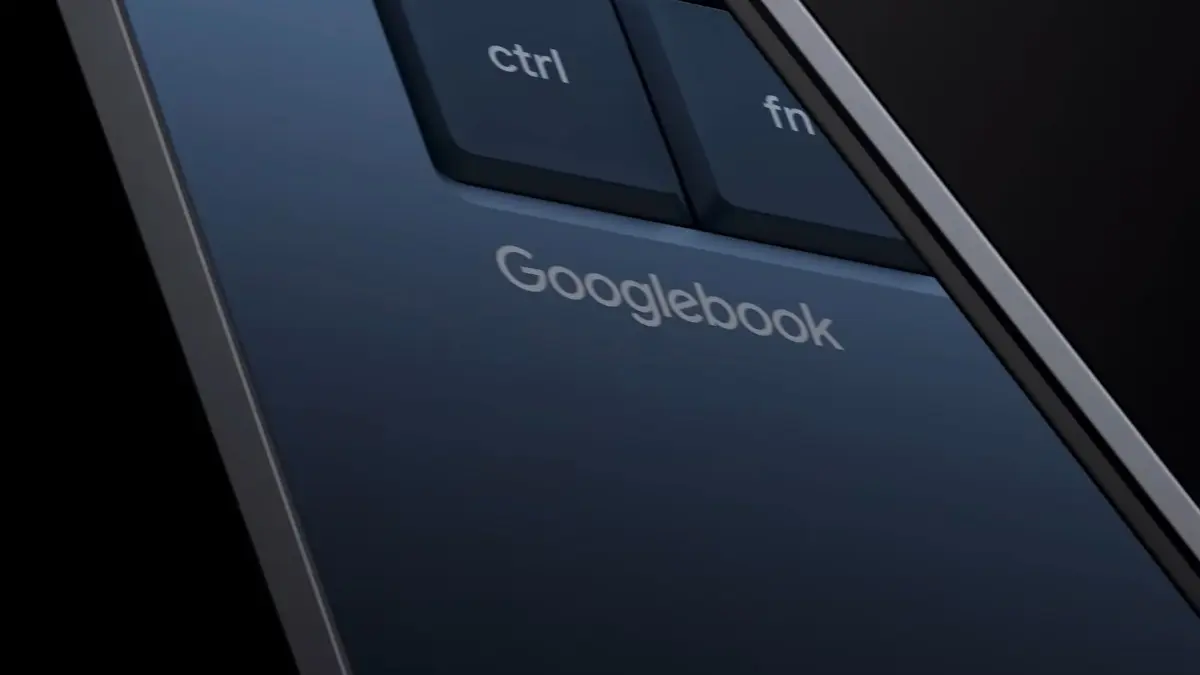
New Delhi: Almost 15 years after introducing Chromebooks for the cloud era, Google is back with a new laptop experiment - this time built for the AI era.
The company has unveiled Googlebook, a new category of AI-first laptops powered by Gemini Intelligence and Android technologies. Unlike Chromebooks, which focused heavily on web apps and browser-based computing, Googlebook is being pitched as a smarter, more personal laptop experience where AI is deeply built into everyday tasks.
And at the centre of that pitch is a feature with a surprisingly simple idea: your cursor becomes intelligent.
Google’s ‘Magic Pointer’ Wants To Make The Cursor Useful Again
The standout feature in Googlebook is called Magic Pointer, developed with help from Google DeepMind.
Advertisement
Instead of AI sitting quietly in a chatbot window waiting for prompts, Google wants Gemini to react to what users are already doing on screen. A quick cursor movement can trigger contextual suggestions. Hover over a date in an email, and Gemini may suggest creating a calendar event. Select images of furniture and a room, and the AI could help visualise how they fit together.
It sounds subtle at first, but Google clearly believes small workflow shortcuts are where AI becomes genuinely useful.
Advertisement
For people who spend all day moving between tabs, files, screenshots and emails, Googlebook is trying to make AI feel less like an assistant you open and more like part of the operating system itself.
Googlebook Blends Android, ChromeOS and Gemini
Googlebook combines elements of Android and ChromeOS into a single AI-focused platform. Users will get access to Chrome, Google Play apps, Android integrations and new Gemini-powered features designed specifically for larger-screen devices.
Google says brands including Acer, ASUS, Dell, HP and Lenovo will launch the first Googlebook devices later this year.
The company is also introducing a feature called Create your Widget, which lets users build personalised desktop widgets using simple prompts.
For example, someone planning a family trip could ask Gemini to create a dashboard showing flight timings, hotel bookings, countdown timers, weather updates and restaurant reservations - all automatically pulled from connected apps like Gmail and Calendar.
This is clearly aimed at making AI feel practical for regular consumers, not just tech enthusiasts experimenting with prompts.
Android Users May Finally Get A Better Laptop Experience
One of Googlebook’s biggest advantages could be its deeper Android integration.
Google says Android phone users will be able to access files, apps and content more naturally through a feature called Quick Access. Instead of manually transferring files, users can search and insert phone content directly from the laptop.
Alexander Kuscher, Google’s senior director for Android tablets and laptops, said the company wants laptops to benefit from the rapid pace of Android ecosystem innovation.
That could become important as Google tries to compete against ecosystems like Apple’s tight iPhone-Mac integration.
Chromebooks Are Staying But Googlebook Feels Like The Real AI Push
Google has clarified that Googlebook is not replacing Chromebooks. Chromebooks will continue targeting education, institutions and business users.
Still, Googlebook feels like something bigger than just another laptop launch.
This looks like Google’s attempt to define what an AI-native computer should feel like before rivals fully lock the market down. Instead of only chasing faster chips or thinner designs, the company is betting that the next laptop war will be about how intelligently software reacts to users in real time.
The bigger challenge now is whether developers will build proper desktop-quality Android apps to match Google’s ambitions.
Because if that ecosystem clicks, Googlebook could end up becoming far more than “another Chromebook.”