
Neuralink Plans High‑Volume Brain Implant Rollout in 2026 After FDA Clearance and $650M Funding Boost
Elon Musk’s Neuralink will begin mass production of brain implants by 2026, following FDA approval and $650M funding. The device helps paralysis patients control digital tools through thought, with plans for fully automated surgery.

;'%3e%3cpath%20d='m8,15.99c4.41,0,7.99-3.58,7.99-7.99S12.41,0,8,0,0,3.59,0,8s3.58,7.99,7.99,7.99Z'%20style='stroke:%23fff;%20stroke-miterlimit:10;%20stroke-width:.02px;'/%3e%3cpath%20d='m3.08,3.37l3.82,5.11-3.84,4.15h.87l3.37-3.64,2.72,3.64h2.94l-4.04-5.39,3.58-3.87h-.86l-3.1,3.35-2.5-3.35h-2.94Zm1.27.64h1.35l5.97,7.99h-1.35l-5.97-7.99Z'%20style='fill:%23fff;'/%3e%3c/g%3e%3c/svg%3e)


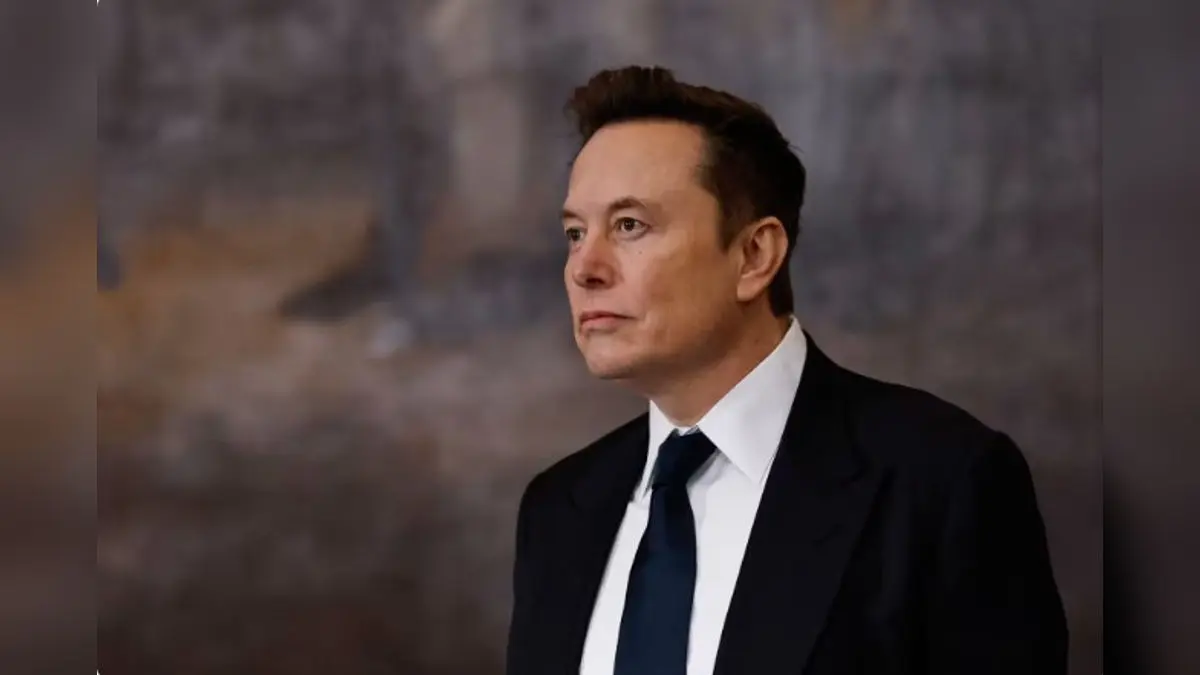
Elon Musk’s brain‑technology company Neuralink is preparing to take a major step forward. Musk announced that the firm will begin “high‑volume production” of its brain‑computer interface devices in 2026 and will shift to an entirely automated surgical procedure for implanting them. The announcement was made on his social media platform X on Wednesday.
Neuralink’s implant is designed to help people with serious medical conditions such as spinal cord injuries and paralysis. The device allows patients to control digital tools directly with their thoughts. The first patient fitted with the implant has already demonstrated its potential using it to play video games, browse the internet, post on social media, and move a cursor on a laptop without physical movement.
The company’s journey has not been without hurdles. Neuralink first applied for human trials in 2022, but the U.S. Food and Drug Administration (FDA) initially rejected the request, citing safety concerns. After addressing those issues, Neuralink was cleared to begin human trials in 2024.
By September 2025, Neuralink reported that 12 people worldwide with severe paralysis had received its implants. These patients were able to control both digital and physical devices through thought alone, marking a breakthrough in brain‑computer interface technology.
Advertisement
The company has also attracted strong investor interest. In June, Neuralink secured $650 million in funding, giving it the financial backing to expand research and prepare for large‑scale production.
Musk’s latest announcement signals a bold future vision: not only making the implants widely available but also relying on robotic surgery systems to perform the delicate implantation process. This would reduce human error and potentially make the procedure faster, safer, and more accessible. Advocates see the technology as a lifeline for people with disabilities, while critics continue to raise questions about long‑term safety, ethics, and regulation.