
New SIM Binding Rule Explained: How It Affects Your WhatsApp, Your Daily Use, and What Non‑Compliance Means
India’s new SIM binding rule explained in simple words — what it means for your chat apps, how it will work, and what happens if platforms don’t follow it.
- Tech News
- 3 min read

;'%3e%3cpath%20d='m8,15.99c4.41,0,7.99-3.58,7.99-7.99S12.41,0,8,0,0,3.59,0,8s3.58,7.99,7.99,7.99Z'%20style='stroke:%23fff;%20stroke-miterlimit:10;%20stroke-width:.02px;'/%3e%3cpath%20d='m3.08,3.37l3.82,5.11-3.84,4.15h.87l3.37-3.64,2.72,3.64h2.94l-4.04-5.39,3.58-3.87h-.86l-3.1,3.35-2.5-3.35h-2.94Zm1.27.64h1.35l5.97,7.99h-1.35l-5.97-7.99Z'%20style='fill:%23fff;'/%3e%3c/g%3e%3c/svg%3e)


New Delhi: The Department of Telecommunications (DoT) has announced a major new rule to stop rising cyber fraud in India. Popular messaging apps like WhatsApp, Telegram, Snapchat, Signal, ShareChat, Josh, JioChat and others will now have to follow mandatory SIM binding within the next 90 days.
The rule has been introduced because many scams are being run using Indian mobile numbers from outside the country. Fraudsters log in once, remove the SIM, and continue using the app from abroad without any verification. This makes it hard for authorities to trace them.
What is SIM Binding?
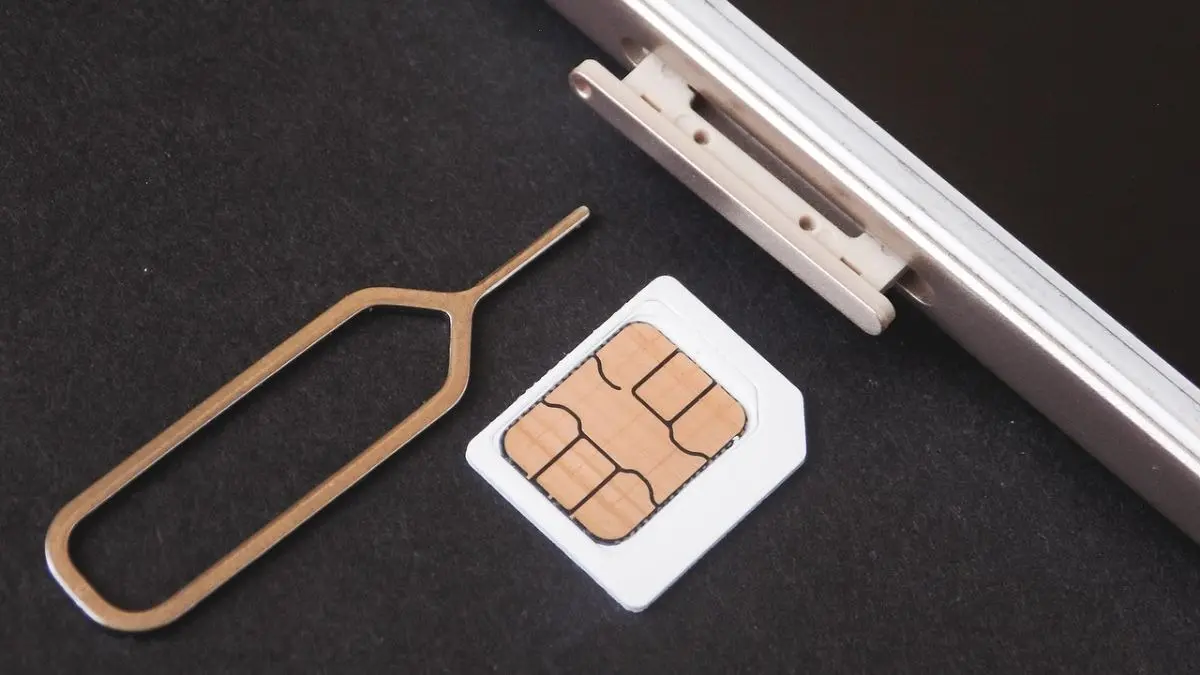
SIM binding simply means that your messaging app must stay connected to the same active SIM card that was used to register your account.
In simple words, if your WhatsApp is linked to SIM A, it must always detect SIM A in your phone. If the SIM is removed, deactivated, or used in another device, the app will stop working. This ensures that only the real owner of the number can use the account. This system is already used in banking and UPI apps, and now it is being extended to communication apps because scammers have started misusing them.
Advertisement
How Will This Change WhatsApp, Telegram, Snapchat Use?
For most normal users, nothing big will change. Your apps will work as usual as long as your SIM is inside your phone. But here are the key changes:
1. Apps must stay linked to your SIM
Advertisement
You cannot use WhatsApp or Telegram on a device that does not have your SIM inserted.
2. Web versions will auto‑logout every 6 hours
If you use WhatsApp Web or Telegram Web:
- You will be logged out automatically every 6 hours
- You must re‑link using a QR code
- This stops long‑running sessions that scammers use from abroad
3. No more using apps after removing the SIM
Earlier, you could remove your SIM and still use WhatsApp for months.
Now, the app must detect the SIM regularly.
4. Better traceability
Every active account will be tied to a KYC‑verified SIM, making it harder for criminals to hide.
What Happens If Apps Don’t Follow the Directive?
Apps have 90 days to implement SIM binding and 120 days to submit a compliance report. If they fail to follow the rules, the DoT can take action under the Telecom Cyber Security Rules, which may include penalties, restrictions and orders to block non‑compliant services
Why Is This Being Done?
Cyber‑fraud in India crossed Rs 22,800 crore in 2024.
Scams like digital arrest, investment fraud, impersonation calls and phishing are often run using Indian numbers from outside the country. According to DoT, SIM binding makes these scams much harder to execute.