
OpenAI Commits to Sustainability With Reduced Water Consumption for Data Centres
AI data centres are drawing criticism not just for electricity demand, but also for the potable water often used to keep servers cool.

;'%3e%3cpath%20d='m8,15.99c4.41,0,7.99-3.58,7.99-7.99S12.41,0,8,0,0,3.59,0,8s3.58,7.99,7.99,7.99Z'%20style='stroke:%23fff;%20stroke-miterlimit:10;%20stroke-width:.02px;'/%3e%3cpath%20d='m3.08,3.37l3.82,5.11-3.84,4.15h.87l3.37-3.64,2.72,3.64h2.94l-4.04-5.39,3.58-3.87h-.86l-3.1,3.35-2.5-3.35h-2.94Zm1.27.64h1.35l5.97,7.99h-1.35l-5.97-7.99Z'%20style='fill:%23fff;'/%3e%3c/g%3e%3c/svg%3e)


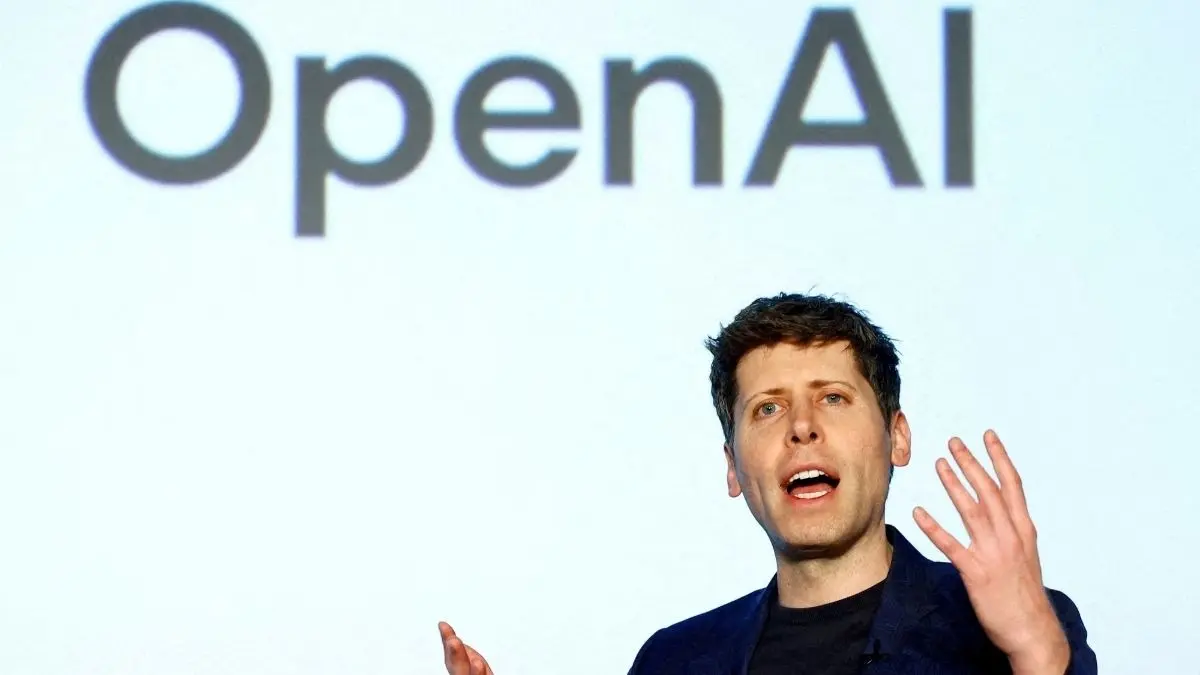
OpenAI has outlined a set of commitments for its planned Stargate AI data centre sites, including a focus on reducing water usage through cooling-system choices. In a newly published “Stargate Community” framework, the company says it will prioritise closed-loop or low-water cooling systems to minimise water use and protect local ecosystems.
The company’s message is a response to a rapidly intensifying debate: AI data centres are drawing criticism not just for electricity demand, but also for the potable water often used to keep servers cool. OpenAI claims that “AI campuses and deep learning workloads” can use innovations in cooling water system design that “drastically reduce” water use compared with traditional data centres, and that water required by its facilities “should be a fraction” of a community’s overall water use.
However, OpenAI’s public framing still leaves open questions that communities typically ask first: how much water will be used per site, what counts as “low-water,” and whether operators will rely on drinking-quality water or reclaimed alternatives. The Verge notes that OpenAI did not provide detailed figures, but positioned the commitments as part of being “good neighbours” amid pushback against data centre projects.
OpenAI is pairing the water pledge with an energy promise: it says it will cover the costs of energy infrastructure upgrades needed to power its data centres so that local consumers don’t see higher electricity bills. The company has suggested approaches such as funding incremental generation and grid upgrades required by its load, or bringing dedicated power and storage that is paid for by the projects themselves.
Advertisement
The significance of OpenAI’s sustainability claims will ultimately depend on implementation—site-by-site water accounting, transparent reporting, and enforceable commitments rather than broad statements about “drastically” lower usage.