
Privacy Nightmare: Meta’s Smart Glasses Sued After Contractors Allegedly Viewed Users’ Most Private Moments-From Nudity to Bathroom Breaks
Meta is facing a lawsuit after a Swedish investigation revealed that contractors in Kenya reviewed sensitive footage from its AI‑powered Ray‑Ban smart glasses. Workers described seeing nudity, sex, bathroom visits, and even bank cards, raising serious privacy concerns.

;'%3e%3cpath%20d='m8,15.99c4.41,0,7.99-3.58,7.99-7.99S12.41,0,8,0,0,3.59,0,8s3.58,7.99,7.99,7.99Z'%20style='stroke:%23fff;%20stroke-miterlimit:10;%20stroke-width:.02px;'/%3e%3cpath%20d='m3.08,3.37l3.82,5.11-3.84,4.15h.87l3.37-3.64,2.72,3.64h2.94l-4.04-5.39,3.58-3.87h-.86l-3.1,3.35-2.5-3.35h-2.94Zm1.27.64h1.35l5.97,7.99h-1.35l-5.97-7.99Z'%20style='fill:%23fff;'/%3e%3c/g%3e%3c/svg%3e)


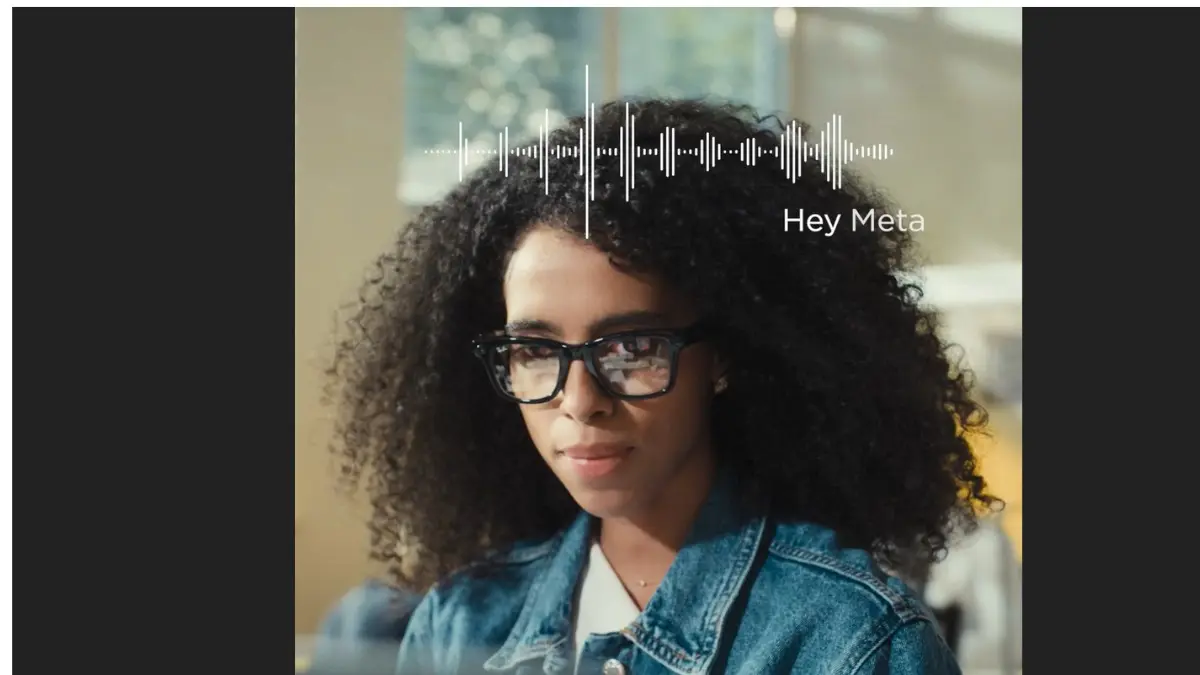
What if the smart glasses you bought to make life easier were secretly showing strangers your most private moments? That unsettling question is now at the heart of a lawsuit against Meta, after a Swedish investigation revealed that contractors in Kenya were reviewing intimate footage from customers’ AI‑powered Meta Ray‑Ban glasses including nudity, sex, and even bathroom visits.
Reporters from Svenska Dagbladet and Göteborgs‑Posten uncovered how thousands of data annotators in Nairobi spend long shifts training Meta’s AI systems. These workers, employed by subcontractor Sama, describe being exposed to deeply personal clips recorded by users without their knowledge. “We see everything from living rooms to naked bodies,” one worker said. Another admitted that watching such footage felt like “looking straight into someone’s private life,” but questioning the practice could cost them their job.
The investigation highlights the hidden human labour behind the AI revolution. What is often marketed as “machine learning” is, in reality, powered by low‑income workers manually labeling and categorising sensitive content. Employees reported seeing bank cards, pornography, and even sex scenes filmed while users wore the glasses. They also transcribed conversations, some involving crimes or protests, raising further concerns about surveillance and misuse of personal data.
Meanwhile, Meta’s Ray‑Ban smart glasses have become a commercial success. Sales tripled in 2025, reaching seven million units worldwide, with Swedish retailers like Synsam and Synoptik stocking them. Yet when journalists visited stores, staff gave contradictory answers about how data is processed. Some insisted “nothing is shared with Meta,” while others admitted they didn’t know. Technical tests showed otherwise: the glasses frequently connected to Meta servers in Sweden and Denmark, even when users opted out of sharing extra data.
Advertisement
Meta’s own terms of use acknowledge that human review of AI interactions may occur, but privacy experts argue that users are not fully aware of how much of their personal data is being fed into Meta’s systems. “Once the material has been fed into the models, the user in practice loses control over how it is used,” said Kleanthi Sardeli, a lawyer at Vienna‑based nonprofit NOYB.
The lawsuit now challenges Meta’s compliance with Europe’s GDPR rules, which demand transparency and explicit consent for data processing. Swedish authorities are also reviewing the case, pointing to a troubling gap between what customers are told in stores and what actually happens behind the scenes.
Advertisement
For Meta, the scandal underscores a deeper truth: the AI revolution is built not only on algorithms but also on human labour and sometimes, that labour involves peering into the most private corners of people’s lives. For users, it raises an uncomfortable question- how much of your personal world are you really willing to hand over to your smart glasses?