
‘Optional, Not Searchable’: WhatsApp Defends New Username Feature Amid Govt Scrutiny, Explains Anti-Impersonation Safeguards
WhatsApp clarified that its upcoming optional username feature includes safeguards against impersonation and scams, addressing concerns raised by the Indian government. The feature allows username reservations ahead of its launch, with assurances that usernames won't be searchable and won't facilitate messaging initially.

;'%3e%3cpath%20d='m8,15.99c4.41,0,7.99-3.58,7.99-7.99S12.41,0,8,0,0,3.59,0,8s3.58,7.99,7.99,7.99Z'%20style='stroke:%23fff;%20stroke-miterlimit:10;%20stroke-width:.02px;'/%3e%3cpath%20d='m3.08,3.37l3.82,5.11-3.84,4.15h.87l3.37-3.64,2.72,3.64h2.94l-4.04-5.39,3.58-3.87h-.86l-3.1,3.35-2.5-3.35h-2.94Zm1.27.64h1.35l5.97,7.99h-1.35l-5.97-7.99Z'%20style='fill:%23fff;'/%3e%3c/g%3e%3c/svg%3e)


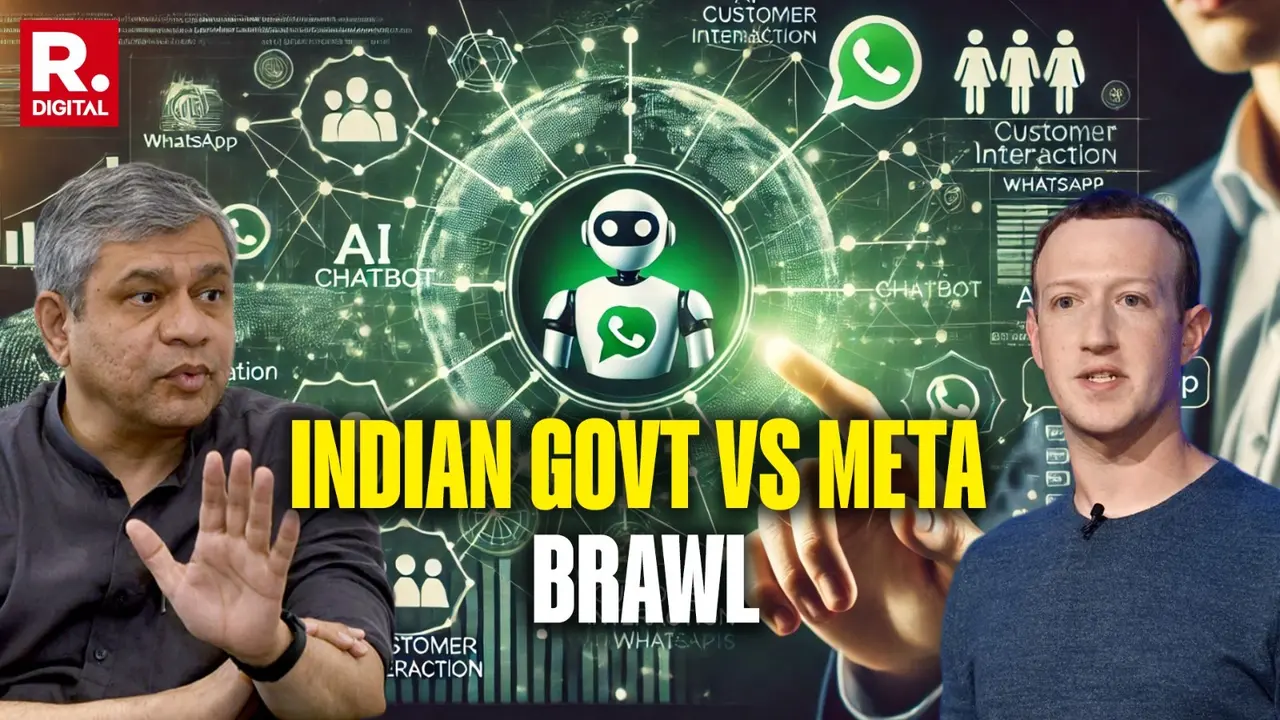
New Delhi: WhatsApp has clarified that its upcoming username feature is designed with multiple safeguards to prevent impersonation, scams, and unwanted contact, following concerns raised over the new system and a notice issued by the Indian government to parent company Meta.
The messaging platform said usernames are optional, not mandatory, and users will continue to be able to use WhatsApp without creating one. The clarification comes as the platform has begun allowing users to reserve usernames ahead of the feature's wider rollout later this year.
Addressing concerns over privacy, WhatsApp said usernames will not be searchable, similar to how users cannot search for phone numbers on the platform. The company also stressed that usernames cannot yet be used for messaging, adding that additional safety measures will be in place before the feature is activated.
According to WhatsApp, when messaging through usernames becomes available, users receiving a message from someone for the first time will be shown details such as the sender's country of origin, along with warnings designed to help identify suspicious outreach.
Advertisement
The platform also announced a new "username key" feature, which it described as an additional layer of protection. Users who enable the feature will require others to know both their username and the unique username key before they can initiate contact. The key can be reset at any time to block future inbound contact through usernames.
Responding to concerns over impersonation, WhatsApp said it has reserved usernames belonging to public figures, celebrities, government entities, Meta Verified accounts, and other well-known individuals. These usernames can only be claimed by their legitimate owners.
Advertisement
The company also clarified that if a desired username is unavailable, it could be because it is already associated with an existing Facebook or Instagram account, has been reserved for its rightful owner, or has already been claimed by another user. In such cases, users are encouraged to use WhatsApp's username generator.
WhatsApp further said users who wish to claim the same username as their Facebook or Instagram account will need to temporarily link those Meta accounts to verify ownership. However, they can later unlink the accounts if they choose. Alternatively, users may select a username unique to WhatsApp.
The company also dismissed claims circulating online that popular or celebrity usernames can be reserved by anyone, calling such reports false. It reiterated that only legitimate account owners can claim protected usernames.
The clarification comes after reports that the Indian government had sought an explanation from Meta over the new feature, citing concerns that it could potentially facilitate impersonation and online fraud if adequate safeguards were not implemented.
According to reports, the government plans to examine the new feature over worries that it could make it easier for people to impersonate others online. Until then, the government has urged Meta not to roll out the feature for over a billion WhatsApp users in India. The review comes two days after Meta, WhatsApp's parent company, publicly announced the update.
WhatsApp has called it one of the biggest shifts in how people connect on the platform, which currently serves more than three billion users worldwide. Usernames can be anywhere from three to 35 characters long, and can include regular Latin letters, numbers, periods, and underscores.
WhatsApp said it deliberately enabled username reservations ahead of the full launch to give users time to choose their preferred usernames while allowing the company to gather feedback and refine the feature before its rollout later this year.