
‘80% Gay, 20% Bisexual - Nobody Is Straight in Pakistan’: Pak Transgender Activist Hina Baloch’s Viral Claim Shocks Viewers
Pakistani transgender activist Hina Baloch’s viral claim about sexuality in Pakistan has sparked debate, but her journey tells a deeper story of resistance, activism, and exile. From Karachi’s khawaja sira community to London’s classrooms, she continues to fight for dignity and rights despite threats and backlash.
- World News
- 4 min read

;'%3e%3cpath%20d='m8,15.99c4.41,0,7.99-3.58,7.99-7.99S12.41,0,8,0,0,3.59,0,8s3.58,7.99,7.99,7.99Z'%20style='stroke:%23fff;%20stroke-miterlimit:10;%20stroke-width:.02px;'/%3e%3cpath%20d='m3.08,3.37l3.82,5.11-3.84,4.15h.87l3.37-3.64,2.72,3.64h2.94l-4.04-5.39,3.58-3.87h-.86l-3.1,3.35-2.5-3.35h-2.94Zm1.27.64h1.35l5.97,7.99h-1.35l-5.97-7.99Z'%20style='fill:%23fff;'/%3e%3c/g%3e%3c/svg%3e)


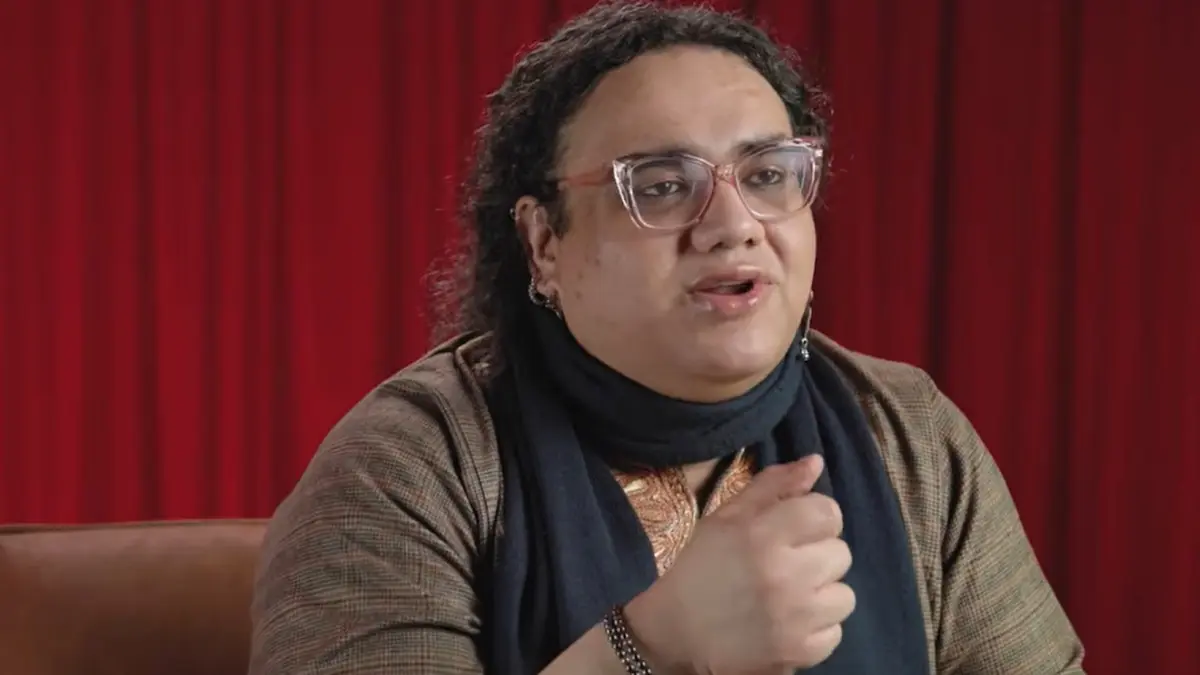
New Delhi: A viral clip of Pakistani transgender activist Hina Baloch has put a spotlight not just on a bold statement, but on a life shaped by resistance, fear, and constant pushback. Her claim that “80% of Pakistan is gay and 20% is bisexual” has grabbed attention, but her full story goes much deeper than a headline.
In an interview, Baloch speaks about growing up, fighting the system, and eventually leaving the country she calls home.
Growing Up in Karachi: “Only Three Options”
Baloch was raised in Karachi as part of Pakistan’s khawaja sira (third gender) community. From early on, she says society had already decided her future.
“The public usually sees us doing three things - begging, sex work, or dancing,” she explains. Trying to step outside these roles was not just difficult, but almost impossible. Even basic jobs were out of reach, she says, as discrimination shut doors before they could even open.
Advertisement
The Statement That Went Viral
Her now-viral remark - “80% gay, 20% bisexual” - comes from what she calls everyday observation. According to Baloch, many people in Pakistan live double lives. Publicly, they follow strict social and religious norms. Privately, she believes, reality is very different.
“They won’t say it. They will deny it. They will bring religion and culture into it,” she says, calling it an “open secret.”
Advertisement
At the same time, she admits her own struggle was never just about sexuality. “I was more worried about how to wear lipstick without getting beaten,” she recalls.
From Silence to Street Protests
Baloch chose not to stay quiet. She became active in rights movements, co-founding Sindh Moorat March and joining the wider Aurat March.
Her activism focused on building alliances across communities - from gender minorities to ethnic and religious groups. She pushed for basic rights like housing, healthcare, and dignity for transgender people. She also worked at the grassroots level on issues like HIV awareness and violence prevention, even taking hospitals to court for refusing treatment to transgender patients and winning.
Pride Flag Moment and Backlash
One moment changed everything.
During an Aurat March protest, Baloch raised a Pride flag on stage - a rare and bold act in Pakistan. What followed, she says, was immediate and intense. There were threats, including acid attack warnings. Videos circulated online. Strangers appeared outside homes. She had to move cities and go into hiding for months.
Even approaching the police was not an option, she claims, fearing further harassment instead of protection.
Abduction and Fear
In one of the most serious parts of her account, Baloch says she was abducted while organising a march. She alleges she was held, assaulted, and later released - an act she believes was meant to send a message. Despite the trauma, she returned to activism. “That fear was gone,” she says, explaining how the experience changed her.
Leaving Pakistan, But Not the Struggle
With threats increasing, Baloch eventually left Pakistan after securing admission at SOAS University of London, where she studied Gender Studies.
She now lives in East London and is preparing to continue her academic journey with a PhD. However, she says leaving Pakistan did not mean complete safety. She describes the UK asylum system as difficult and isolating, even comparing its environment at times to the control she experienced back home.
Trouble Even After Leaving
During a visit back to Pakistan, Baloch says she was detained and questioned over her social media posts. She claims authorities tracked her online activity and repeatedly called her in for questioning.
At one point, she says she was taken from a cab, held for hours, and warned not to leave the country without informing officials.
A Life Between Two Worlds
Today, Baloch’s life sits between activism and academia. From Karachi’s streets to London’s classrooms, her journey reflects both progress and pressure. Her viral statement may sound extreme, but her larger message is about silence and what people hide to survive. Her story is not just about identity. It is about the cost of speaking out in a system where stepping out of line can change everything.