
'Baseless': Iran Rejects Reports Of Hormuz Closure, Says 'Shipping Operating Normally'
Iran Foreign Ministry spokesman Esmaeil Baghaei has rejected reports claiming that the Strait of Hormuz has been closed even after the signing of the peace MoU by Iran and USA.
- World News
- 3 min read

;'%3e%3cpath%20d='m8,15.99c4.41,0,7.99-3.58,7.99-7.99S12.41,0,8,0,0,3.59,0,8s3.58,7.99,7.99,7.99Z'%20style='stroke:%23fff;%20stroke-miterlimit:10;%20stroke-width:.02px;'/%3e%3cpath%20d='m3.08,3.37l3.82,5.11-3.84,4.15h.87l3.37-3.64,2.72,3.64h2.94l-4.04-5.39,3.58-3.87h-.86l-3.1,3.35-2.5-3.35h-2.94Zm1.27.64h1.35l5.97,7.99h-1.35l-5.97-7.99Z'%20style='fill:%23fff;'/%3e%3c/g%3e%3c/svg%3e)


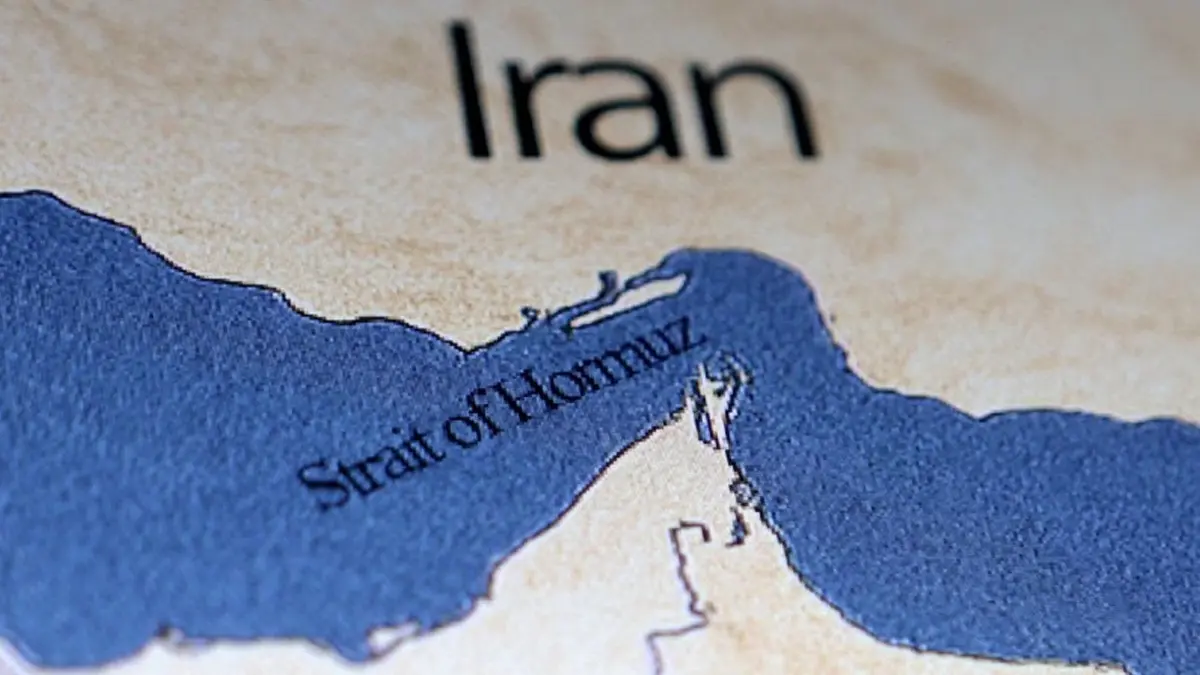
Tehran: Iran Foreign Ministry spokesman Esmaeil Baghaei has rejected reports claiming that the Strait of Hormuz has been closed even after the signing of the peace MoU by Iran and the United States of America. Calling the reports “baseless”, Baghaei told Iranian media that shipping through the waterway is operating normally.
Baghaei told state media PressTV that following the signing of the peace MoU, Iran has taken the necessary measures to ensure safe passage, and shipping through the Strait is currently underway.
The memorandum of understanding (MoU) signed by US President Donald Trump and Iranian President Masoud Pezeshkian has 14 points, one of which states that Iran will ensure free and safe passage for commercial vessels through the Strait of Hormuz for 60 days and will work with Oman and other Gulf states on the future administration of the strategic waterway.
Other points include:
Advertisement
- The US and Iran agreed to an immediate and permanent end to military operations on all fronts, including Lebanon, while committing not to threaten or use force against each other and to respect Lebanon's sovereignty.
- Both countries pledged to respect each other's sovereignty, territorial integrity, and refrain from interfering in internal affairs.
- The two sides agreed to conclude negotiations on a final agreement within 60 days, with the possibility of extending the deadline through mutual consent.
- The US will begin lifting its naval blockade immediately and completely end it within 30 days, while also withdrawing military forces from Iran's vicinity within 30 days of the final agreement.
- The US committed to supporting a reconstruction and economic development programme for Iran worth at least USD 300 billion as part of the final agreement.
- Washington pledged to gradually lift all sanctions on Iran, including unilateral US sanctions and measures linked to UN Security Council and IAEA resolutions, according to an agreed schedule.
- Iran reaffirmed that it would neither develop nor acquire nuclear weapons. Both sides agreed to discuss the future of Iran's enriched uranium stockpile, including downblending under IAEA supervision, along with broader nuclear issues.
- Until a final agreement is reached, Iran will maintain the current status of its nuclear programme while the US will refrain from imposing new sanctions or deploying additional forces in the region.
- The US agreed to issue immediate waivers allowing exports of Iranian crude oil, petroleum products, and related services, including banking, insurance, and transportation.
- Washington also committed to making Iran's frozen or restricted funds available, with procedures for their release to be finalised during negotiations.
- A joint monitoring mechanism will be established to oversee the implementation of both the MoU and the eventual final agreement.
- Formal negotiations on the final agreement will begin once implementation starts on key provisions relating to the ceasefire, Strait of Hormuz, sanctions waivers, and release of frozen assets.
- The final agreement will be endorsed through a United Nations Security Council resolution.