
COVID XE variant: All you need to know about new Coronavirus strain
The World Health Organization (WHO) has warned that “XE” is the new COVID strain. Read further here to know all about the new Coronavirus strain XE.
- World News
- 3 min read

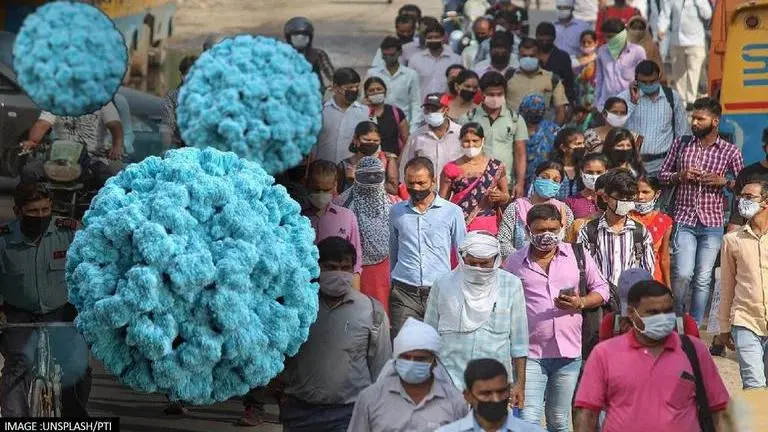
On Wednesday, the Brihanmumbai Municipal Corporation informed in a media release about the country's first COVID sub-variant XE being detected in the city of Mumbai. However, the Union Health Ministry said that the present evidence does not suggest the presence of the new Coronavirus variant. Official sources on Wednesday informed that though scientific evidence so far does not display a case of the XE variant, a genomic study of a Coronavirus case is being conducted by INSACOG (Indian SARS-CoV-2 Genomics Consortium) experts.
Here's all you need to know about the new COVID variant XE
What is the XE variant & when it was first detected?
The new COVID XE variant, according to the World Health Organisation is a hybrid of two sublineages of Omicron - BA.1 and BA.2. "The XE variant of SARS-CoV-2 "belongs to the Omicron variant until significant differences in transmission and disease characteristics, including severity, may be reported," the WHO said in its latest weekly epidemiological report published on March 29.
XE, a "recombinant" variant of BA'1 and BA.2 Omicron strains, was first detected in the UK on January 19, according to the World Health Organisation.
Advertisement
Symptoms of COVID XE variant
Fever, sore throat, scratchy throat, cough and cold, skin irritation and discolouration, gastrointestinal trouble, and so on are some of the symptoms to look out for the new variant.
Advertisement
How quickly will the COVID XE variant spread?
WHO said that the new XE variant appears to be more transmissible than earlier strains of the Coronavirus. "Early-day estimates indicate a community growth rate advantage of around 10 per cent as compared to BA.2," WHO noted. However, WHO is still carrying out its study on the transmissibility of the COVID new variant XE.
Dr @mvankerkhove talks about an Omicron recombinant called XE, its transmissibility, and how WHO monitors changes in the virus that causes #COVID19 ⬇️
— World Health Organization (WHO) (@WHO) April 6, 2022
Severity of XE variant
There is currently no indication that XE variant causes more severe illness.
Vaccine effective against XE
Scientists are researching how well fully vaccinated persons will be protected against the XE strain. Even if COVID-19 vaccinations do not provide complete protection against the new variant, they will minimize severe disease, hospitalizations, and mortality.
Safety measures to take
According to the WHO, there is a list of things that people must do to protect themselves:
- Get vaccinated.
- Keep a physical distance of at least 1 metre from others. Avoid crowds and close contact.
- Wear a properly fitted mask.
- Clean hands frequently with an alcohol-based hand rub or soap and water.
- Unlock windows to enhance ventilation in indoor spaces.
- Self-Isolate when tested COVID positive or develop symptoms.