
From Conclave to Coronation: How Is a New Pope Chosen?
If Pope Francis steps down from the position, it's important to understand the age-old process by which the Catholic Church selects a new leader.
- World News
- 3 min read

;'%3e%3cpath%20d='m8,15.99c4.41,0,7.99-3.58,7.99-7.99S12.41,0,8,0,0,3.59,0,8s3.58,7.99,7.99,7.99Z'%20style='stroke:%23fff;%20stroke-miterlimit:10;%20stroke-width:.02px;'/%3e%3cpath%20d='m3.08,3.37l3.82,5.11-3.84,4.15h.87l3.37-3.64,2.72,3.64h2.94l-4.04-5.39,3.58-3.87h-.86l-3.1,3.35-2.5-3.35h-2.94Zm1.27.64h1.35l5.97,7.99h-1.35l-5.97-7.99Z'%20style='fill:%23fff;'/%3e%3c/g%3e%3c/svg%3e)


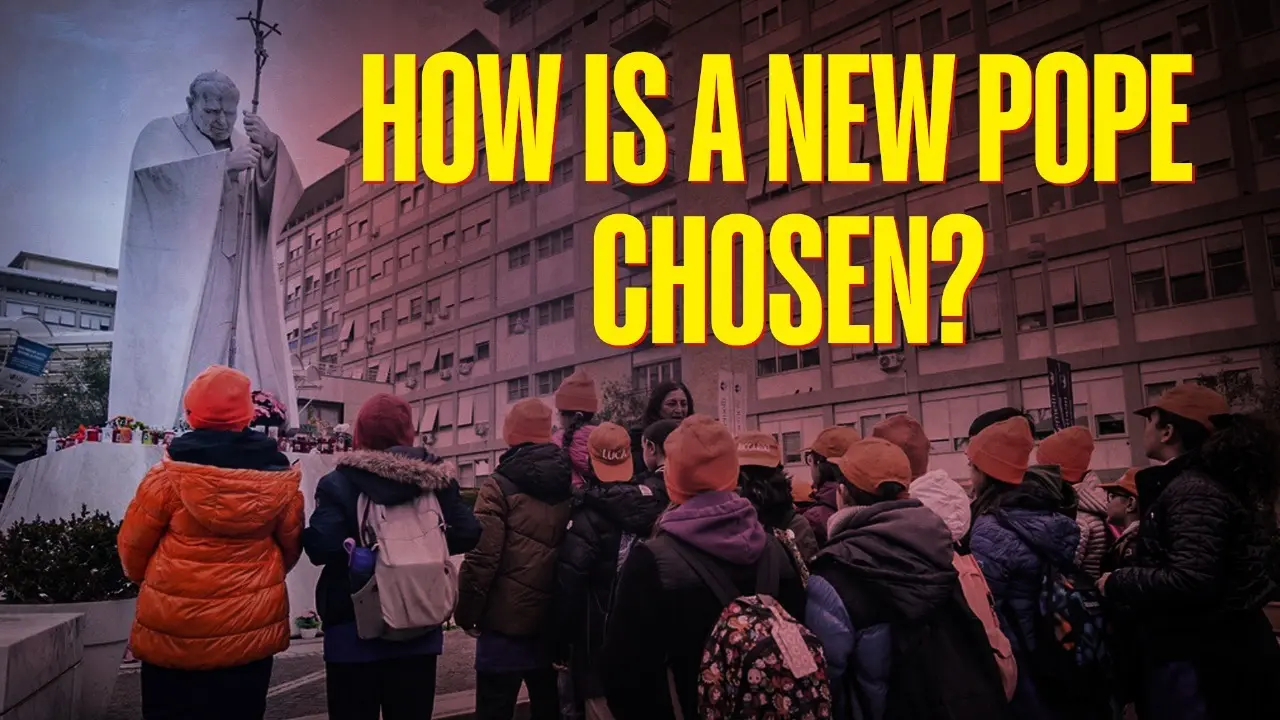
The Vatican City: Pope Francis continues to remain in critical condition after he was hospitalised almost a week ago due to pneumonia in both his lungs. As per the latest medical reports, the 88-year-old pontiff's health is worsening, there has been no official statement if he will be resigning.
Earlier, The Vatican City said, "This morning Pope Francis experienced an asthma-like respiratory crisis of prolonged intensity, which required the administration of high-flow oxygen."
If Pope Francis steps down from the position, it's important to understand the age-old process by which the Catholic Church selects a new leader.
For over 800 years, the process of electing a new pope is a centuries-old tradition that remains largely unchanged. It begins with the death or resignation of the sitting pope, prompting a secret gathering of cardinals known as a "papal conclave."
Advertisement
These secretive gatherings take place after a pope’s death or resignation, with all details of the vote kept confidential. Cardinals who leak information can be excommunicated, and the Sistine Chapel is swept for listening devices before and after the conclave, according to the Archdiocese of Toronto.
Who All Are Eligible to be a Pope?
To be eligible, candidates must be male and a baptized Catholic. However, while most popes have been cardinals before their election, it's not a strict requirement. The pope is chosen by 120 cardinals under the age of 80 at the time of the previous pope's passing or resignation. As of January 22, there are 138 cardinals eligible to vote out of a total of 252 worldwide.
Advertisement
A two-thirds majority is required for a candidate to be elected pope. If no candidate emerges quickly, voting continues, often focusing on the top contenders.
If no one emerges quickly, the vote continues, and from the 34th ballot onward, the conclave narrows down the choice to the two top contenders.
The longest papal election lasted three years in the 13th century, with three cardinals dying during the process. Ballots are written in disguised handwriting and burned in a small fire inside the chapel after each vote.
Once a candidate wins two-thirds of the vote, the Cardinal Dean asks if they are willing to accept the position. If they agree, the new pope chooses a papal name. The Vatican tailors three papal robes in various sizes, and the pope enters the Room of Tears adjacent to the Sistine Chapel to don his new attire. Finally, the new pope is introduced to the public from the balcony of St. Peter’s Basilica. This deeply ritualistic process continues to shape the future of the Catholic Church.