
Iran Condemns US Sanctions and India Tariffs as ‘Economic Imperialism’, Slams Targeting of Oil Trade and Indian Firms in Petrochemical Dealings
Iran slams US sanctions on its oil trade and the 25% tariff on Indian imports, calling them acts of economic imperialism. Tehran accuses Washington of targeting independent nations like Iran and India to suppress their development.
- World News
- 3 min read

;'%3e%3cpath%20d='m8,15.99c4.41,0,7.99-3.58,7.99-7.99S12.41,0,8,0,0,3.59,0,8s3.58,7.99,7.99,7.99Z'%20style='stroke:%23fff;%20stroke-miterlimit:10;%20stroke-width:.02px;'/%3e%3cpath%20d='m3.08,3.37l3.82,5.11-3.84,4.15h.87l3.37-3.64,2.72,3.64h2.94l-4.04-5.39,3.58-3.87h-.86l-3.1,3.35-2.5-3.35h-2.94Zm1.27.64h1.35l5.97,7.99h-1.35l-5.97-7.99Z'%20style='fill:%23fff;'/%3e%3c/g%3e%3c/svg%3e)


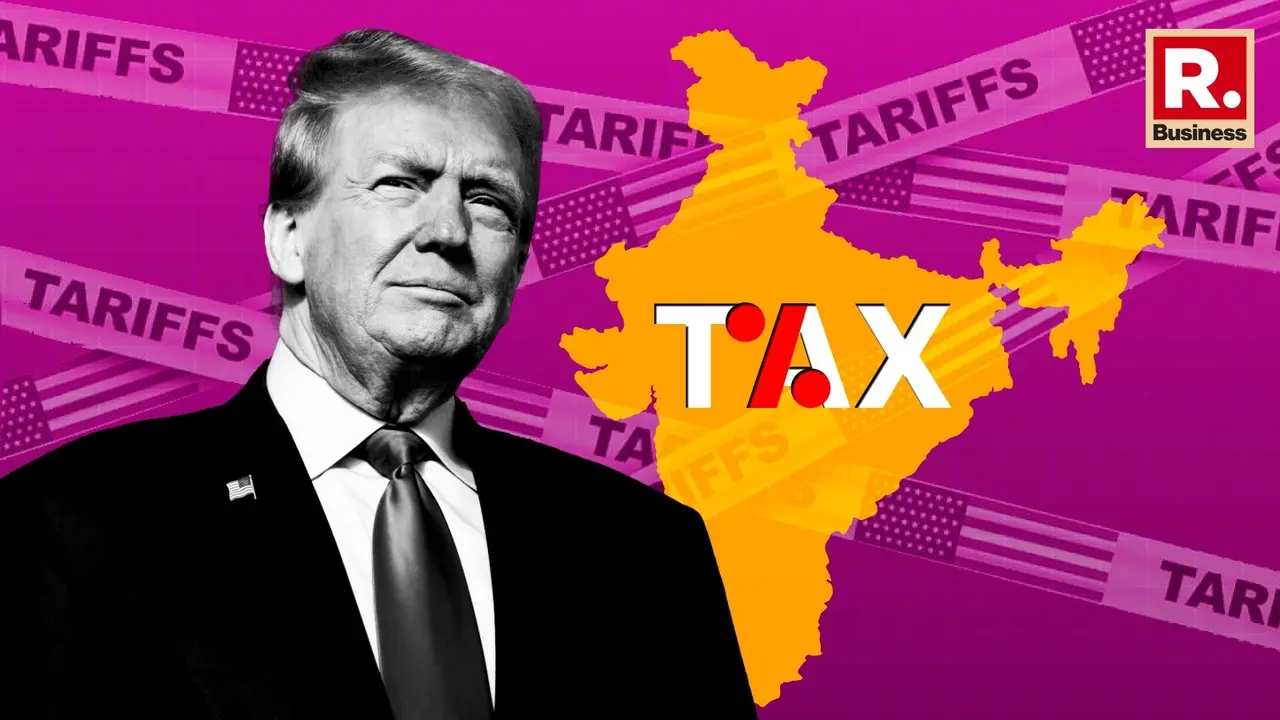
New Delhi: Iran has strongly condemned the United States over a fresh wave of sanctions and tariffs, accusing Washington of weaponizing its economy to target independent nations like Iran and India.
This comes after the US Treasury Department announced sweeping sanctions against Iran’s oil trade, including six Indian companies allegedly involved in petrochemical transactions with Tehran. Simultaneously, the US has imposed a 25% tariff on all Indian goods exported to the United States, set to take effect in the first week of August.
In a post on X, the Embassy of the Islamic Republic of Iran in India criticized the moves, stating:
“The United States continues to weaponize the economy and use #sanctions as tools to dictate its will on independent nations such as Iran and India and impede their growth and development.”
Advertisement
The embassy added that such coercive and discriminatory actions violate international law and national sovereignty:
“These coercive discriminatory actions violate the principles of international law and national sovereignty, representing a modern form of economic imperialism. Resisting such policies is a stand for a more powerful emerging non Western-led multilateral world order and a stronger Global South.”
Advertisement
The newly imposed US sanctions mainly target a global shipping network said to be operated by Mohammad Hossein Shamkhani—the son of Ali Shamkhani, a senior advisor to Iran’s Supreme Leader Ayatollah Ali Khamenei, who has been under US sanctions since 2020.
The US Treasury claims that Hossein Shamkhani controls a fleet of more than 50 tankers and container ships transporting Iranian and Russian oil, generating tens of billions of dollars in revenue.
“The Shamkhani family’s shipping empire highlights how the Iranian regime elites leverage their positions to accrue massive wealth and fund the regime’s dangerous behavior,” said Treasury Secretary Scott Bessent.
In total, the sanctions affect over 115 individuals, companies, and vessels across several countries, including Hong Kong, India, Indonesia, Singapore, Switzerland, Turkey, and the UAE. This marks the largest set of sanctions against Iran since the Trump administration’s "maximum pressure" campaign.
Iran’s Foreign Ministry Spokesperson Esmaeil Baqaei called the move a “malicious act” designed to undermine Iran’s economy and hinder the welfare of its people.
The sanctions come just weeks after reported US strikes on Iran’s nuclear facilities in Fordow, Isfahan, and Natanz.
US State Department spokeswoman Tammy Bruce said the sanctions aim to block Iran’s funding of its nuclear ambitions, support for terrorism, and domestic repression.
“As President Donald Trump has said, any country or person who chooses to purchase Iranian oil or petrochemicals exposes themselves to the risk of US sanctions,” she added.
Deputy Treasury Secretary Michael Faulkender noted that the sanctions are unlikely to impact global oil markets significantly. He said Iran’s crude oil exports have dropped from 1.8 million barrels per day to around 1.2 million this year. “We’re still engaging in further action to bring that number down even more,” he said.
Regarding the new tariffs on India, Trump’s administration justified the move as part of a broader effort to balance America’s trade deficit through reciprocal tariffs. The announcement comes just days before the new measures take effect in early August.
With Tehran and New Delhi both being hit by these US actions, Iran's embassy framed the issue as part of a broader struggle against Western domination. The statement concluded with a call to the Global South to unite in resisting what it called modern economic imperialism.