
Iran Refuses to Reopen Strait of Hormuz For Temporary Ceasefire, Calls US Proposal ‘Excessively Demanding’
Iran refuses to reopen the Strait of Hormuz, rejecting US demands and ceasefire plans.
- World News
- 3 min read

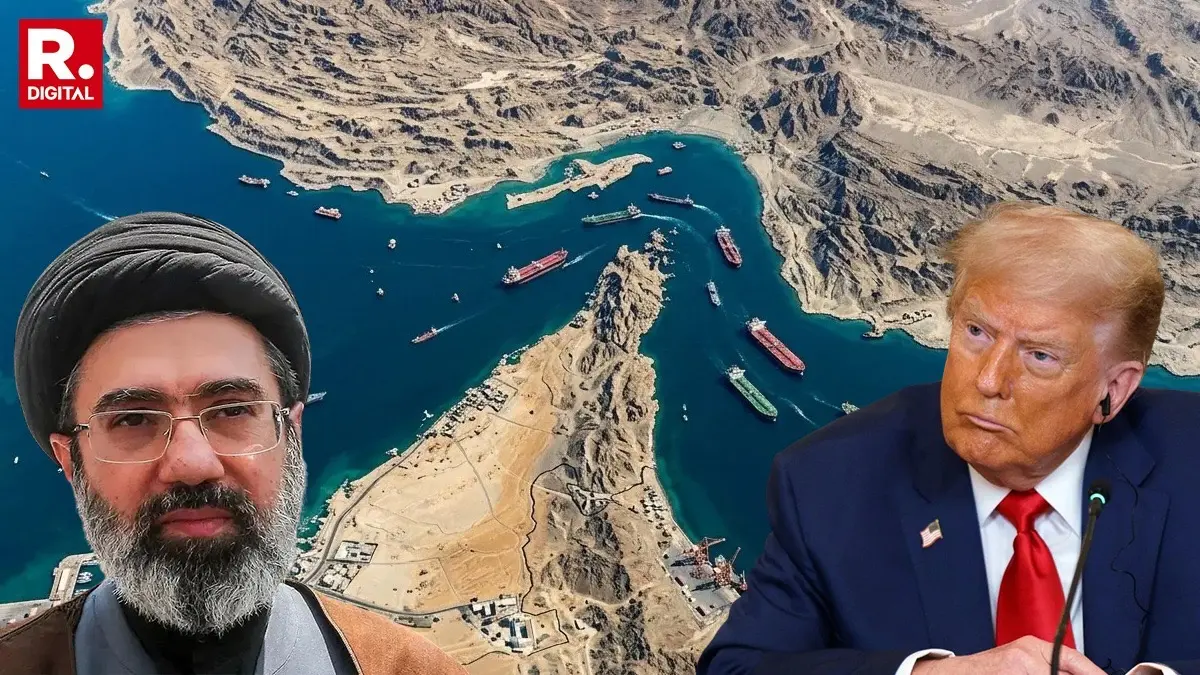
Tehran: Iran rejected to reopen the Strait of Hormuz in exchange for a temporary ceasefire, signaling a major setback in ongoing diplomatic efforts to end the dispute.
A senior Iranian official said Tehran does not believe Washington is ready for a permanent ceasefire and will not accept pressure or imposed deadlines. Foreign ministry spokesperson Esmaeil Baghaei said the US 15-point proposal is “excessively demanding” and reiterated that Iran has “compiled and formalized” its own set of demands.
He also raised concerns that the “pilot rescue in Isfahan” could have been a deceptive attempt to seize Iran’s enriched uranium, warning that a ceasefire may allow the opposing side to regroup.
The creation of a protocol to guarantee the safe passage of ships through the Strait of Hormuz is the main goal of negotiations with Oman, he continued.
Advertisement
Ceasefire Proposal and ‘Islamabad Accord’
Iran and the United States have been presented with a new two-tier proposal to halt hostilities. Within 15 to 20 days, a more comprehensive deal will be reached after an immediate ceasefire.
The strategy suggests reopening the Strait of Hormuz as part of the initial ceasefire and is allegedly organized through Pakistan. In what is known as the "Islamabad Accord," it also describes the final in-person negotiations in Islamabad.
Advertisement
Pakistan’s army chief, Asim Munir, is said to have held overnight calls with key officials, including US Vice President JD Vance, envoy Steve Witkoff, and Iran’s foreign minister Abbas Araghchi.
The more comprehensive plan calls for Iran to surrender its development of nuclear weapons in return for access to blocked assets and the lifting of sanctions. Iran, however, has not yet committed to the plan and is looking for assurances that the US and Israel won't attack it in the future.
‘Open the F***in’ Strait’: Trump’s Warning
US President Donald Trump has intensified pressure on Iran, publicly demanding that the Strait be reopened. He challenged Iran to "open the F***in' Strait" or suffer dire repercussions in a social media post. He then threatened to take significant military action if a deal could not be reached.
Although Trump has talked about "deep negotiations" and offered a "good chance" of success, the talks are now more unpredictable due to his harsh rhetoric and fluctuating dates.
However, due to the impact on civilians, human rights organizations have cautioned that attacking civilian infrastructure, such power plants, may be against international law and might constitute war crimes.
Global Impact of Strait Closure
The globe is already experiencing significant inconvenience due to Iran's ongoing blockage of the Strait of Hormuz. A major amount of the world's oil supply is transported via this route, and its closure has resulted in a severe energy crisis.
There are reports of fuel shortages in some areas. While airlines in the UK have delayed flights, airports in other parts of Europe have started to restrict the usage of jet fuel. Airlines are being forced to raise rates and reduce itineraries due to rising fuel costs.
The issue is becoming worse throughout Asia. Countries are encouraging their citizens to adopt work-from-home policies, switch to public transportation, and conserve fuel. In certain locations, tax cuts and price limitations are being implemented to curb the spike.
In Bangladesh, shortages have led to panic, with reports of robberies and violence at fuel stations. In order to control supplies, governments around Southeast Asia are encouraging carpooling and emergency measures.
Beyond transport, the disruption is also affecting essential supplies. There are rising concerns about delays in the transfer of food and medications due to the impact on shipping routes, and if the Strait stays blocked, there might be a more serious worldwide supply crisis.