
Iran Skips Pakistan-Brokered Second Round Of Talks With US, Blames ‘Excessive Demands’ And Hormuz Blockade
Iran skipped the second round of the US talks in Pakistan, citing excessive demands and Hormuz blockade, dimming hopes to extend a ceasefire set to expire Wednesday.
- World News
- 5 min read

;'%3e%3cpath%20d='m8,15.99c4.41,0,7.99-3.58,7.99-7.99S12.41,0,8,0,0,3.59,0,8s3.58,7.99,7.99,7.99Z'%20style='stroke:%23fff;%20stroke-miterlimit:10;%20stroke-width:.02px;'/%3e%3cpath%20d='m3.08,3.37l3.82,5.11-3.84,4.15h.87l3.37-3.64,2.72,3.64h2.94l-4.04-5.39,3.58-3.87h-.86l-3.1,3.35-2.5-3.35h-2.94Zm1.27.64h1.35l5.97,7.99h-1.35l-5.97-7.99Z'%20style='fill:%23fff;'/%3e%3c/g%3e%3c/svg%3e)


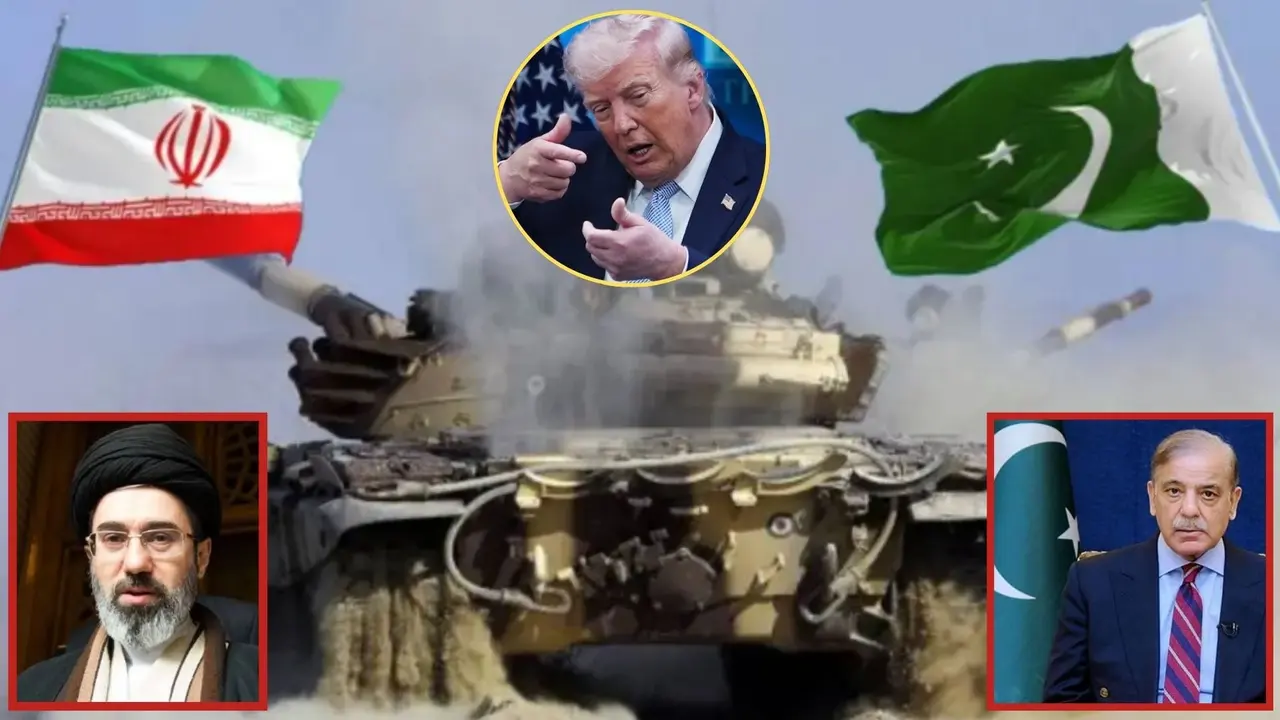
Islamabad: Iran has opted not to attend a second round of negotiations with the United States brokered by Pakistan, blaming the excessive American demands and ongoing tensions over the Strait of Hormuz. Iran's decision to back off from the peace talks in Pakistan comes despite Washington sending a delegation led by Vice President JD Vance, with the fragile ceasefire between the two countries due to expire by Wednesday.
According to reports, the planned meeting in Islamabad had been framed by US officials as an opportunity to extend the truce and narrow differences on several long-running disputes. However, Tehran did not confirm its attendance, and late on Saturday, parliament speaker and chief negotiator Mohammed Bagher Qalibaf signalled that while diplomacy would continue, obstacles remained. He told state television that “there will be no retreat in the field of diplomacy,” but acknowledged a wide gap between the two sides.
By Monday, the US negotiators were expected in Pakistan as President Donald Trump announced the talks, reiterating his warning that Washington could target Iranian infrastructure if no deal was reached. With Iran now declining to appear, hopes of a last-minute breakthrough before the ceasefire lapses have dimmed considerably.
Tehran Points To Hormuz Blockade And US Proposals
The Iranian officials indicated that the latest American proposals, delivered on Saturday, did not address Tehran’s core concerns and instead contained what they viewed as excessive demands. As per the Iranians, the main conflict in the dispute is control and access to the Strait of Hormuz, the vital waterway through which a major portion of global oil passes. The US has accused Iran of threatening freedom of navigation, while Iran has criticised what it calls a blockade and pressure campaign aimed at its economy and military capabilities.
Advertisement
The talks brokered by Pakistan were also meant to cover Iran’s nuclear enrichment programme and its network of regional allies, issues that derailed the previous round of face-to-face discussions. The first round, also led by Vance alongside envoys Steve Witkoff and Jared Kushner, lasted 21 hours but ended without agreement. It remains unclear whether either side shifted position ahead of the planned Pakistan meeting.
Meanwhile, the Pakistani authorities had already begun reinforcing security in Islamabad in anticipation of the delegations. A regional official, speaking on condition of anonymity, said US advance teams were on the ground and mediators were finalising arrangements before Iran’s withdrawal was confirmed.
Advertisement
Ceasefire Deadline Looms
Amidst the cancellation of the second round of talks and with the ceasefire set to run out by midweek, Trump’s public threats have added further strain. In a post, he warned that if Iran did not accept the US-proposed deal, “the United States is going to knock out every single Power Plant, and every single Bridge, in Iran". The remarks have drawn criticism internationally, with warnings that such action could constitute war crimes.
As per experts, for ordinary Iranians and Americans, the diplomatic impasse prolongs a period of uncertainty that has already affected shipping, oil markets and regional security. In Tehran, Qalibaf’s insistence that diplomacy would not be abandoned suggests the door is not fully closed, yet his emphasis on the “wide gap” shows how far apart the parties remain. With the Pakistan round now off the table, mediators may need to find a new venue and formula before the ceasefire deadline passes and tensions risk spilling over once again.
Trump Claims Seizure Of Iranian Vessel TOUSKA In Gulf Of Oman
In further development, Trump claimed that United States forces have taken custody of an Iranian-flagged vessel, the TOUSKA, after it allegedly tried to breach a US blockade in the Strait of Hormuz. In posts on Truth Social and X, he stated that the guided-missile destroyer USS Spruance intercepted the ship in the Gulf of Oman and issued warnings for it to stop.
According to Donald Trump, the Iranian crew “refused to listen,” after which the Navy “stopped them right in their tracks by blowing a hole in the engineroom". He added that US Marines have since boarded and secured the vessel, which is already under US Treasury sanctions due to what he described as a “prior history of illegal activity". Trump said forces now have “full custody of the ship, and are seeing what’s on board".
Unverified Claims Amid Regional Tensions
In his social media statements, Trump gave a step-by-step account, saying the Spruance located the TOUSKA as it attempted to pass through the US blockade and took direct action after a “fair warning to stop” was ignored. He reiterated that the vessel was sanctioned and linked it to illegal activity. However, as of Sunday afternoon, there had been no confirmation of the incident from the Pentagon, US Central Command, or the Navy. Iran’s government and state media have not issued any response. Without independent verification, details such as when the interception occurred, the crew’s condition, or the ship’s cargo remain unclear.
The Strait of Hormuz is a vital maritime chokepoint for global oil shipments, and any confrontation there raises immediate concerns over shipping security and stability. The Gulf of Oman, where Trump said the interception happened, has seen several high-profile incidents in recent years amid broader US–Iran tensions. For commercial operators in the region, the claim adds to ongoing uncertainty tied to Washington’s efforts to restrict Iranian maritime activity, which Tehran rejects as unlawful. Until official military or Iranian authorities provide further details, the full circumstances surrounding the TOUSKA and the implications for the Hormuz standoff remain incomplete.