
Updated 23 November 2022 at 12:47 IST
Neanderthals cooked meals with pulses 70,000 years ago: Report
Researchers have found 70,000 years old plant remains at Shanidar Cave in northern Iraq and Franchthi Cave in Greece which was inhabited by Neanderthal.
- World News
- 2 min read

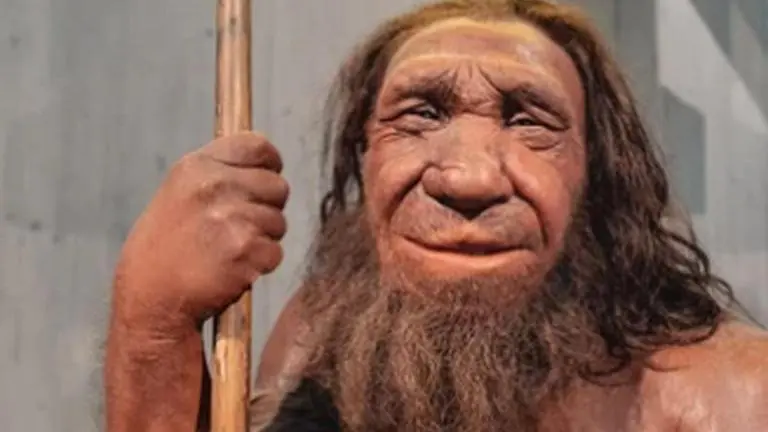
Researchers have found 70,000 years old plant remains at Shanidar Cave which was inhabited by Neanderthal which is the extinct species of humans, and 40,000 years ago, when it was home to early modern humans (Homo sapiens). According to Dr Ceren Kabukcu, who is a lead author and an archaeobotanical scientist at the University of Liverpool in the United Kingdom, similar kinds of plants and cooking techniques were identified at the sites despite the gap in time and space. The Shanidar Cave in northern Iraq and Franchthi Cave in Greece have revealed a similar type of plant material which has further revealed prehistoric cooking by Neanderthals and early modern humans was complex, involved several steps, and that the foods used were diverse, as per the new study published in the journal Antiquity.
Neanderthals ate pulses 70,000 years ago
The charred food residue excavated from Franchthi Cave dated from 12,000 years ago when hunter-gatherer Homo sapiens used to live then. Analysis of some of the earliest charred food remains found has suggested that in the stone age the cooks were sophisticated where they used to combine an array of ingredients and different techniques were used to prepare and flavour their meals. The most commonly identified ingredients wiled peas, vetch, nuts, a legume that had edible seed pods, and grasses were often added with pulses like lentils or beans, and sometimes wild mustard was also used. To enhance the taste of the food pulses, which has a bitter taste naturally, were soaked, coarsely ground, or pounded with stones to remove their husk. These analyses were made after using a high-tech scanning electron microscope.
Dr Kabukcu said she was surprised to find that prehistoric people were combining plant ingredients in this way, an indication that Neanderthals were foodies. Further, she shared that their ancient ancestors ate a varied diet depending on where they lived, and this likely included a wide range of plants. On such new intriguing findings, a professor at the Centre for the Archaeology of Human Origins at the University of Southampton in the UK John McNabb has said that this scientific study has changed the understanding of the Neanderthal diet “as we move away from the idea of them just consuming huge quantities of hunted game meat.”
Published By : Saumya Joshi
Published On: 23 November 2022 at 12:47 IST