
Nepal PM Balen Shah’s 100-Point Plan: Ban on Student Politics Among Key Reforms
Nepal’s youngest Prime Minister, Balendra “Balen” Shah, has sparked controversy by banning student politics and partisan affiliations in public institutions as part of a sweeping 100-point reform plan.
- World News
- 3 min read

;'%3e%3cpath%20d='m8,15.99c4.41,0,7.99-3.58,7.99-7.99S12.41,0,8,0,0,3.59,0,8s3.58,7.99,7.99,7.99Z'%20style='stroke:%23fff;%20stroke-miterlimit:10;%20stroke-width:.02px;'/%3e%3cpath%20d='m3.08,3.37l3.82,5.11-3.84,4.15h.87l3.37-3.64,2.72,3.64h2.94l-4.04-5.39,3.58-3.87h-.86l-3.1,3.35-2.5-3.35h-2.94Zm1.27.64h1.35l5.97,7.99h-1.35l-5.97-7.99Z'%20style='fill:%23fff;'/%3e%3c/g%3e%3c/svg%3e)


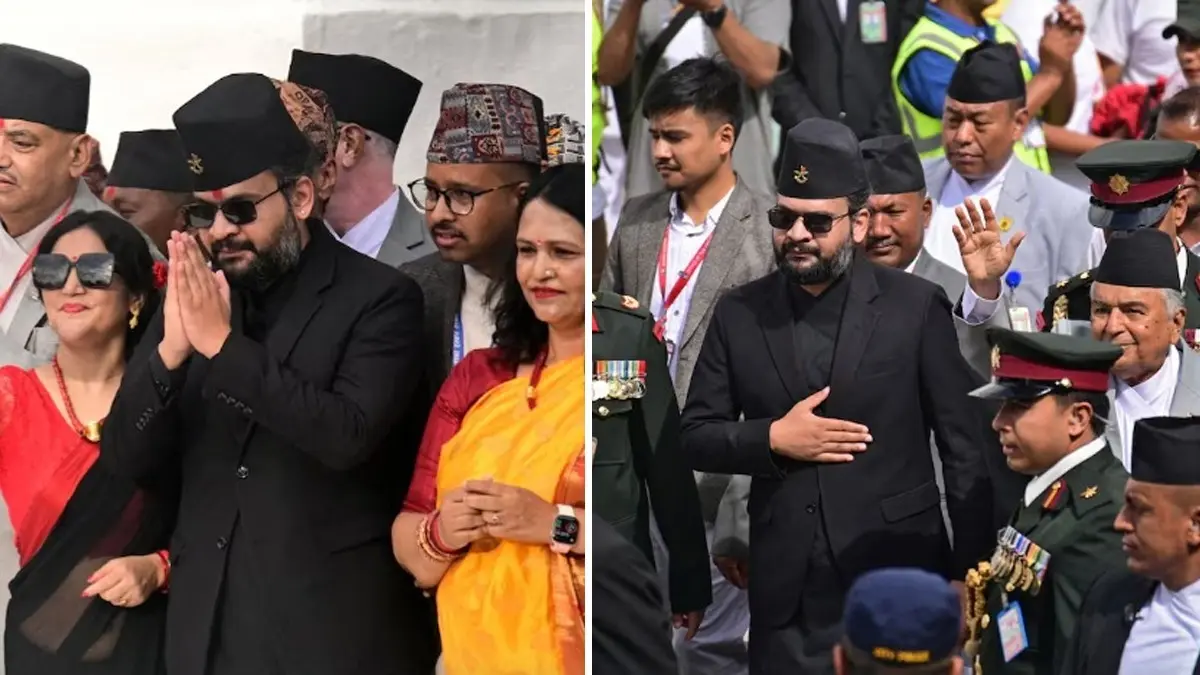
Within 48 hours of taking the oath, Nepal’s youngest Prime Minister, Balendra “Balen” Shah, has rolled out an ambitious 100-point action plan aimed at overhauling governance and public institutions.
However, one of the most controversial decisions was the ban on student politics, which has sparked sharp reactions, particularly among the youth who played a key role in his rise to power.
Ban on student politics at centre of storm
One of the first major decisions of the new government was to remove political student unions from campuses. In their place, non-partisan bodies such as “Student Council” or “Voice of Students” will be established within 90 days.
Shah has argued that educational institutions should not function as political battlegrounds, citing long-standing issues such as violence, vandalism, extortion, and disruption of academic schedules linked to student wings of major parties and Maoist groups.
Advertisement
As part of the wider reform agenda, the government has barred civil servants and teachers from holding political affiliations. Additionally, partisan trade unions operating within state bodies are set to be scrapped.
Supporters say these measures could streamline governance, reduce political interference, and improve efficiency within institutions.
Advertisement
However, critics have raised concerns that such moves may weaken workers’ protections and limit avenues for dissent within public systems.
Promise to Gen Z protesters’ families
Further, fulfilling a key campaign promise, the Shah government has approved jobs for families of 27 students who were killed during the September 2025 Gen Z protests.
The Nepal Electricity Authority has already initiated recruitment, offering one eligible family member employment in their respective home districts based on qualifications.
Political tensions rise amid Oli’s arrest

The reforms come at a time of heightened political tension in the country as protests have erupted following the arrest of former Prime Minister KP Sharma Oli in connection with alleged excesses during the Gen Z protests.
Clashes between CPN-UML workers and police have led to injuries and arrests, with demonstrators demanding Oli’s release and a fair investigation.
The Kathmandu District Court has granted police custody of Oli and former Home Minister Ramesh Lekhak for five days for further investigation. While Lekhak appeared in person, Oli joined proceedings virtually from a hospital where he is undergoing treatment.
Nepal’s Youngest PM
Balen Shah, a 35-year-old political outsider and former rapper, assumed office after his Rastriya Swatantra Party secured a near two-thirds majority in the March 5 elections.
His rise was powered by widespread public frustration with traditional political parties, as well as strong backing from youth-led movements that had mobilised against corruption and governance failures. While Shah’s 100-point plan signals a bold attempt to reshape Nepal’s political and administrative landscape, the ban on student politics has ignited a broader debate.
For many, the move represents a push towards depoliticising education and governance. For others, it raises concerns about restricting political expression, especially among the very youth who helped bring the new leadership to power.