
On Capitol Hill, Netanyahu May Face Boycott From Sections of the Democratic Party
Prominent figures within the Democratic Party have expressed strong opposition to Netanyahu's potential appearance.
- World News
- 2 min read

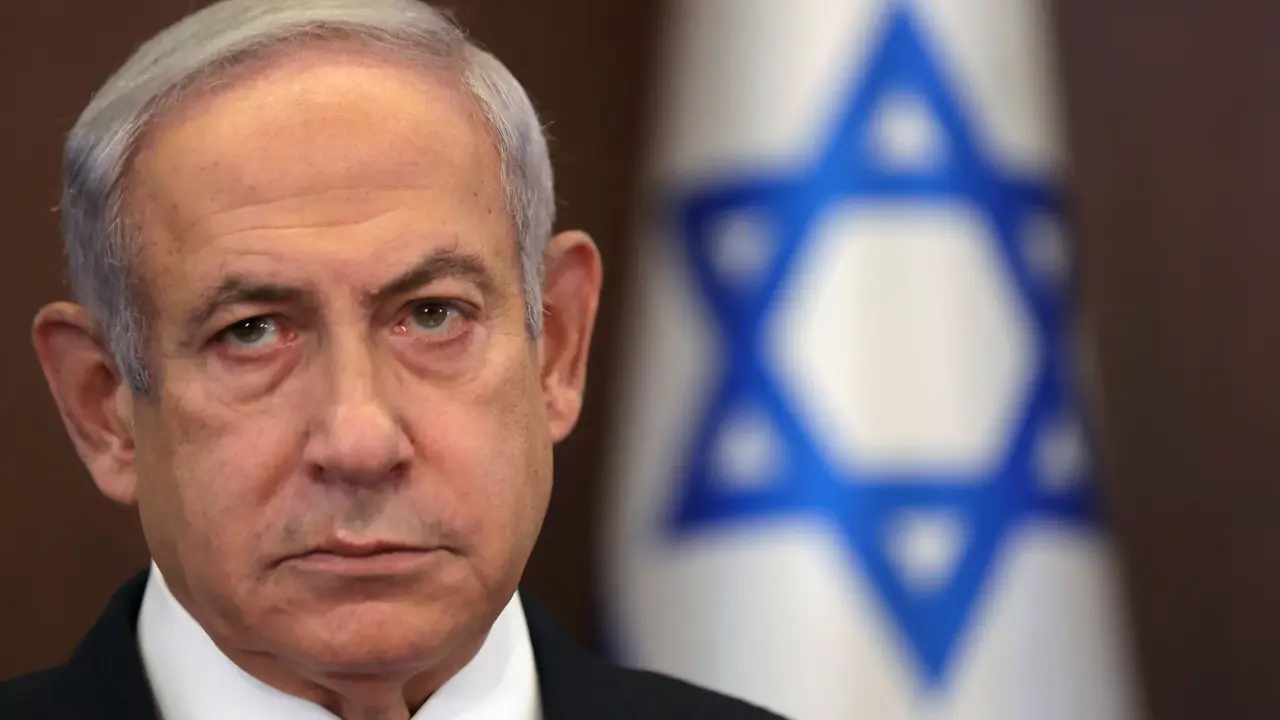
Israeli Prime Minister Benjamin Netanyahu is encountering significant pushback from congressional progressives ahead of a potential address to US Congress, indicating strained relations between some Democrats and Israel since the Israel-Hamas conflict.
Prominent figures within the Democratic Party have expressed strong opposition to Netanyahu's potential appearance. According to a report from Axios, representative Jamaal Bowman of New York stated firmly, "I'm not going," emphasizing that Netanyahu has nothing beneficial to offer his district amidst constituents' dissatisfaction with Israel's military actions.
Jamaal Bowman isn't alone
Likewise, Representative Maxwell Frost from Florida bluntly stated, "No," citing Netanyahu's character as a determining factor for his decision. Representative Chuy García from Illinois echoed similar sentiments, highlighting concerns over Israel's government and its conduct during the conflict.
Reflecting a collective sentiment among progressives, Representative Greg Casar from Texas expressed skepticism about altering his schedule for Netanyahu's address, emphasizing the importance of symbolic dissent against the Israeli leader.
Advertisement
The situation intensified with Representative Rashida Tlaib, a vocal member of the progressive "Squad" and the only Palestinian American in Congress, asserting that Netanyahu should not even set foot in the United States, advocating for his prosecution in the Hague.
House Republicans want Netanyahu to address Congress
Despite the opposition from Democrats, House Speaker Mike Johnson from Louisiana indicated plans to extend an invitation to Netanyahu, backed by House Republicans as a response to Senate Majority Leader Chuck Schumer's criticisms.
Advertisement
Schumer, however, hinted at a willingness to facilitate Netanyahu's address in a bipartisan manner, emphasizing the tradition of welcoming Israeli prime ministers to Congress.
The escalating tension underscores the deepening divide within Congress over U.S.-Israel relations and the contentious aftermath of the Israel-Hamas conflict, signaling a potential diplomatic challenge for both nations.
As Netanyahu's potential address looms, the landscape of Capitol Hill reflects a stark polarization regarding the Israeli leader's role in addressing the U.S. legislative body.