
Pakistan Escalates Tension With Afghanistan, Carries Out Unprovoked Airstrikes On Kabul | Top 10 Points
Kabul rocked by multiple explosions late Thursday as Pakistan reportedly conducts airstrikes, killing TTP leader Noor Wali Mehsud. Here’s a breakdown of 10 key points covering the attack, regional tensions, and unfolding developments.
- World News
- 4 min read

;'%3e%3cpath%20d='m8,15.99c4.41,0,7.99-3.58,7.99-7.99S12.41,0,8,0,0,3.59,0,8s3.58,7.99,7.99,7.99Z'%20style='stroke:%23fff;%20stroke-miterlimit:10;%20stroke-width:.02px;'/%3e%3cpath%20d='m3.08,3.37l3.82,5.11-3.84,4.15h.87l3.37-3.64,2.72,3.64h2.94l-4.04-5.39,3.58-3.87h-.86l-3.1,3.35-2.5-3.35h-2.94Zm1.27.64h1.35l5.97,7.99h-1.35l-5.97-7.99Z'%20style='fill:%23fff;'/%3e%3c/g%3e%3c/svg%3e)


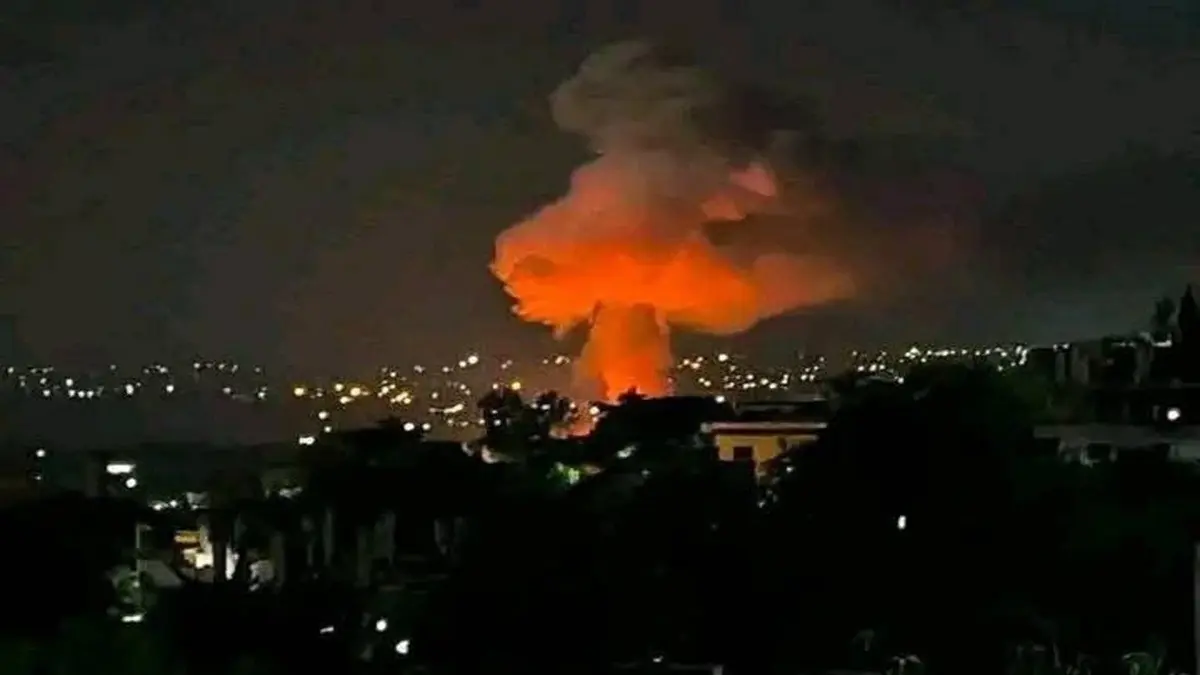
Afghanistan: Kabul was rattled late Thursday night as multiple explosions were reported across the city, triggering panic among residents. Witnesses described hearing at least two powerful blasts followed by the sound of aircraft overhead, sparking fears of cross-border military action and escalating regional tensions.
Here are 10 points we know so far:
- Explosions Rock Kabul: Residents across different parts of Kabul reported loud blasts late Thursday night. The explosions, accompanied by the sound of aircraft, caused widespread panic, raising immediate concerns about Afghanistan’s internal security and regional stability. According to early reports, the explosions originated from District 8, located in the eastern part of Kabul, an area that houses several key government offices and residential zones. The exact cause of the blasts remains unclear, though initial reports suggest the possibility of an airstrike.
- Taliban Spokesman Responds: Zabihullah Mujahid, spokesperson of Taliban, confirmed hearing explosions in Kabul. He reassured residents that investigations are underway, no damage has been reported, and the situation is under control.
- Pakistani Military To Brief: Amid escalating tensions, Pakistan’s Lieutenant General Ahmed Sharif, Director General of Inter-Services Public Relations (ISPR), is scheduled to hold a press conference in Peshawar on Friday at 2.30 pm. Experts suggest the recent explosions in Kabul may have been caused by Pakistani airstrikes.
- Pakistan’s Indirect Threat: Earlier on Thursday, addressing Pakistan’s National Assembly, Defence Minister Khawaja Asif warned Afghanistan, stating, “Enough is enough, our patience has run out. Terrorism from Afghan soil is intolerable.” He recalled Pakistani officials’ visit to Kabul three years ago, during which Afghan authorities refused to provide firm guarantees against militant operations. Hours later, multiple reports of airstrikes surfaced, though Pakistan has not officially confirmed them.
- Internet Suspended in Islamabad and Rawalpindi: In response to the ongoing tensions, mobile internet services have been suspended indefinitely in Islamabad and Rawalpindi. Authorities have not clarified the reason for the shutdown.
- Attack Amid Afghan Foreign Minister India Visit: The explosions occurred as Afghanistan’s Acting Foreign Minister, Amir Khan Muttaqi, arrived in New Delhi for his first official visit to India. Accompanied by a five-member Taliban delegation, Muttaqi was warmly received by the Modi government on Thursday morning and is scheduled to meet External Affairs Minister S. Jaishankar on Friday, marking India’s first formal engagement with the Taliban regime since it assumed power in 2021.
- TTP Leader Targeted: Noor Wali Mehsud, leader of the Tehrik-i-Taliban Pakistan (TTP), was allegedly targeted in a strike in Kabul on Thursday night. Born on June 26, 1978, in Gurguray, South Waziristan, Mehsud had led the TTP since 2018 following the death of Mullah Fazlullah. He originally joined the Mehsud Taliban in 2003, which merged with the TTP in 2007 under Baitullah Mehsud.
- Baloch Leader Condemns Attack, Brands Pakistan As Rogue State: Baloch representative Mir Yar Baloch took to X, and condemned the act by Pakistan. He said "We strongly condemn the terror attack on Kabul today by the rogue state of Pakistan. The terrorism carried out by the rogue state of Pakistan and its diseased/rogue military, which is involved in the attack on Kabul, could be ended within weeks if Afghanistan recognizes Balochistan as a free (independent) state. Pakistan has no direct border with Afghanistan; the military garrisons and airbases of what is, in effect, Punjab-based Pakistan are located in Balochistan and occupied Pashtunistan, and they are a symbol of terrorism for Balochistan and Pashtunistan as well as a threat to Afghanistan’s security. If today Kabul recognizes Balochistan as an independent state and incorporates Pashtunistan into Afghanistan, accepting it as part of its territory, then the Baloch and Afghan peoples together could secure their border and airspace and would not allow Pakistan’s military aircraft and drone strikes to enter their air space and target innocent civilians, and Pakistan would not be able to challenge our national security.”
- Border Tension Escalates: The Afghanistan-Pakistan border has seen multiple recent attacks on Pakistani forces. Thursday night’s explosions in Kabul have intensified concerns about cross-border militancy and broader regional power dynamics.
- Growing Afghanistan-Pakistan Friction: Earlier on Thursday, Afghanistan’s foreign minister rejected a proposed meeting with Pakistan, highlighting rising tensions. Adding to the volatility, former US President Donald Trump issued a warning regarding Afghanistan’s Bagram Airbase, fueling speculation about renewed American interest in the region.
The incident underscores the fragility of security in Afghanistan and highlights the growing strain in Afghanistan-Pakistan relations. While Pakistani authorities have yet to officially confirm the airstrikes, this has raised alarm across the region.