
Former Pakistan cricket captain expresses regret over his role in making Imran Khan PM
Former captain of Pakistan's cricket team Javed Miandad said that he helped PTI chairman Imran Khan to become the Prime Minister but regretted it.
- World News
- 2 min read

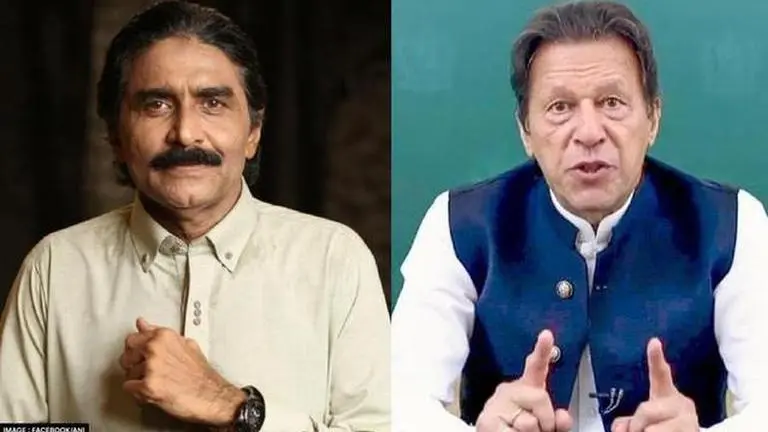
Javed Miandad, the ex-captain of Pakistan's cricket team, expressed that he assisted Imran Khan, the Chairman of Pakistan Tehreek-e-Insaf (PTI), in becoming the Prime Minister, but now he regrets that decision.
In an interview with ARY News, Miandad disclosed that he played a role in assisting the PTI Chairman in becoming the Prime Minister. However, he expressed regret that he was never thanked for his support.
Speaking about his love for cricket, he said, "My father was very fond of cricket, me and all of my brothers played in the streets as well as on the roof."
According to ARY News, Javed Miandad stated that during his time playing for the national team, he made an effort to minimise the margin of defeat if the team lost. He further mentioned that none of the players voiced any objections to his captaincy.
Advertisement
After assuming office as the Prime Minister of Pakistan in August 2018, Imran Khan served the country for a period of over three years. However, before completing his fourth year, in April 2022, a motion of no confidence resulted in his removal.
Pakistan to juggle IMF deal and elections together?
Analysts have indicated that Pakistan's government will face the challenge of striking a balance between implementing reforms to meet the expectations of the International Monetary Fund (IMF) and introducing measures to gain support from voters in an upcoming election.
Advertisement
The government of Pakistan is anticipating a general election scheduled for November, which they hope will alleviate the turmoil resulting from a protest campaign led by former Prime Minister Imran Khan after his removal through a no-confidence vote last year.
According to former finance minister Miftah Ismail, it is crucial for the government to secure funding from the IMF. This would likely limit the possibility of implementing an expansionary budget, emphasising the importance of maintaining financial stability and adhering to IMF requirements, reported Reuters.