
Poland's Agriculture Minister resigns citing 'failure to address Ukrainian grain crisis'
All taxes and quotas on Ukrainian grain exports to the EU's 27 member states have been eliminated as part of an EU push to permit its movement.
- World News
- 2 min read

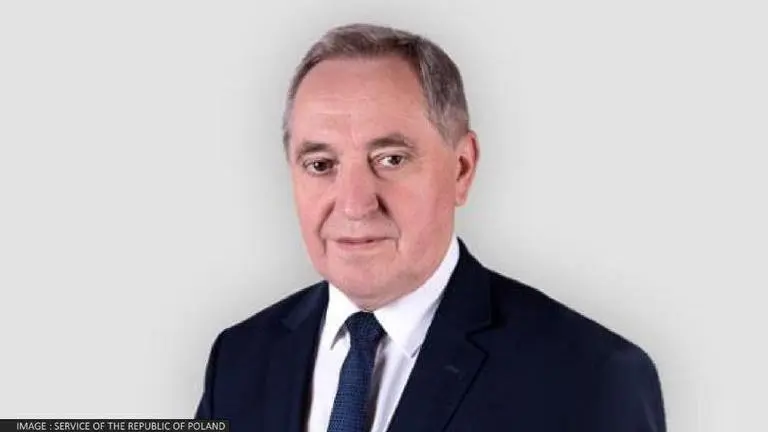
Polish Agriculture Minister Henryk Kowalczyk resigned on Wednesday at a news conference, claiming his failure to address the Ukrainian grain crisis, according to Polish radio station RMF FM. “I have resigned from the position of Minister of Agriculture and Rural Development,” Kowalczyk said.
The leadership of Poland's ruling PiS or Law and Justice party determined that Kowalczyk should be dethroned as he had been unable to deal with a situation caused by an influx of Ukrainian grain shipments to Poland, Polish media reported. Polish farmers wanted an explanation from the Ministry of Agriculture as well as the minister's resignation. Kowalczyk attempted to soothe them, but according to Polish media, his recent words enraged demonstrators even more, rather than pacifying them.
The Polish government has begun to buy grain using state funds
Earlier, it was claimed that the leaders of five Central and Eastern European nations had asked the European Commission to intervene in order to deal with the surplus of grain and other food goods from Ukraine that had accumulated on their borders. To deal with the influx of supplies from Ukraine, the Polish government has begun to buy grain using statefunds, Agriculture Minister Henryk Kowalczyk declared on Wednesday, before retiring from his office amid mounting public displeasure, as reported by RT.
“The purchase will be launched immediately after the Easter holidays. Today, the State Finance Commission allocates the first 600 million zlotys [$140 million] for this purchase,” the press service of the Cabinet of Ministers of the Republic quoted Kowalczyk as saying.
Advertisement
According to the minister, the Polish authorities would now approve the construction of granaries without the need for building licences. Warsaw expects to receive a large sum from funds allocated by the EU to deal with concerns concerning Ukrainian grain shipments.
All taxes and quotas on Ukrainian grain exports to the EU's 27 member states have been eliminated as a part of an EU push to permit its movement around the world, notably to Africa. The grain was carried to the bloc by road and rail through Poland and other neighbouring nations. However, due to a lack of transit capacity, much of it remained in place, particularly in Poland. Following a prohibition on Russian imports, Poland has prioritised coal imports.