
Updated 17 March 2026 at 14:55 IST
Sri Lanka Adopts This Unusual Strategy to Conserve Fuel Amid US‑Iran‑Israel War Uncertainty
The announcement comes as several Asian countries are also scrambling to secure energy supplies and cushion their economies against the shock.
- World News
- 2 min read

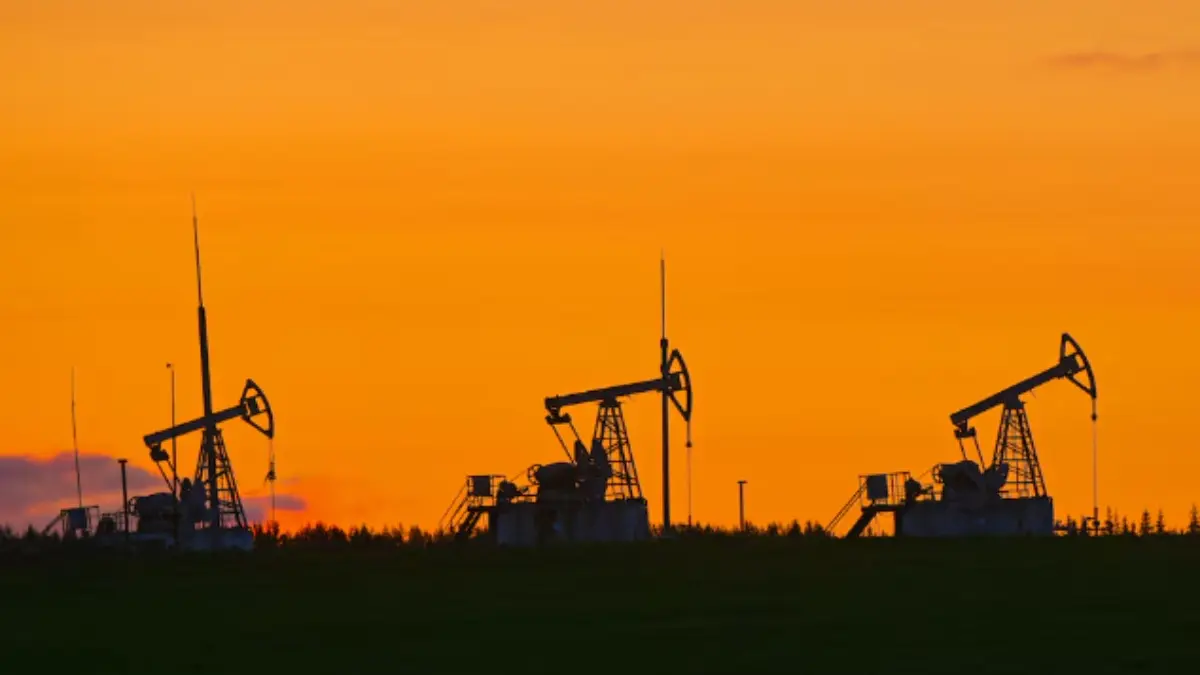
New Delhi: Sri Lanka has unveiled an unconventional measure to cope with the mounting fuel crisis triggered by the ongoing US‑Israel war with Iran. Authorities announced that every Wednesday will now be a holiday for public institutions, schools, and universities, a move designed to cut fuel consumption and ease pressure on the island nation’s limited reserves. Essential services such as hospitals and immigration offices will remain open, but the rest of the public sector will shift to a four‑day work week.
According to media reports, Wednesday was chosen deliberately instead of Friday to avoid creating a three‑day weekend, which could slow down government operations. Alongside the midweek holiday, motorists are now required to register for a National Fuel Pass, a rationing system that limits how much fuel each person can buy. The measures reflect the seriousness of the situation as Sri Lanka braces for possible shortages linked to global conflict and instability in oil markets.
The announcement comes as several Asian countries are also scrambling to secure energy supplies and cushion their economies against the shock. Japan has pledged to release a record 80 million barrels of oil while also asking Australia, its largest LNG supplier, to boost output. South Korea has lifted restrictions on coal‑fired power generation and raised nuclear plant utilization to as high as 80 percent, while capping domestic fuel prices for the first time in nearly three decades.
China has imposed an immediate ban on refined fuel exports, including gasoline, diesel, and jet fuel, to prevent shortages at home. India is facing its worst gas crisis in decades after the closure of the Strait of Hormuz left 22 vessels stranded. To protect households, the government has cut LPG supplies for industry and sought safe passage for ships through the blockade.
Advertisement
Elsewhere in Asia, Indonesia is increasing fuel subsidies and accelerating its biodiesel program. Thailand is urging citizens to wear lighter clothing to reduce reliance on air conditioning. Myanmar has restricted private vehicle use to alternate days based on license plates. Bangladesh has advanced Ramadan holidays in universities and introduced planned blackouts. The Philippines has mandated remote work for some government staff and banned non‑essential official travel, while offering cash aid to drivers and farmers. Vietnam is encouraging citizens to cycle, carpool, and limit personal vehicle use.
Advertisement
Published By : Priya Pathak
Published On: 17 March 2026 at 14:55 IST