
Thailand authorities urge residents to donate shells after crabs face 'housing crisis'
Authorities in southern Thailand are urging residents to contribute extra shells,a move that aims at providing a ‘home’ to the species living on borrowed shells
- World News
- 2 min read

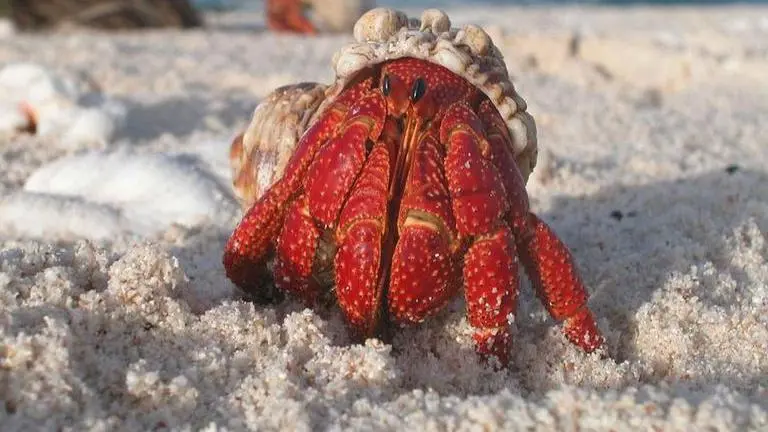
Authorities in southern Thailand are now urging residents to contribute extra shells, a move that aims at providing a ‘home’ to the species living on borrowed shelters. Although, a threatened species, their numbers have bolstered considerably amid a decline in tourism on the tropical nation.
Hermit Crabs
The Crustacean creatures, essentially live in borrowed shells to protect their delicate exoskeletons. Often opting to survive in snail shells, the species constantly require shelter to avoid the risk of being defenceless. Amid the pandemic, their population on some islands in the Mu Koh Lanta National Park have risen prompting marine biologists to believe the lack of tourists could be a factor.
‘Donate cone-shaped shells’
Recently, researchers on the island detected a shortage of shelter for the hermit crabs, who’ve outgrown their older shells. They noticed that those rendered shelterless, sharted living cans, plastic boxes and other artificially made shells. Following which authorities urged residents to donate, any cone-shaped shells that they have by post or in person.
Advertisement
According to a report published in the Journal of Hazardous Materials, an estimated 5,70,000 hermit crabs die after climbing into plastic debris confusing it for empty shells every year. Hermit crabs do not have shells of their own and use empty shells or hollow objects as protection. The empty plastic container and bottles on the beach create a trap for hermit crabs searching for food or water that may be found in the containers.
Advertisement
The study named “Entrapment in plastic debris endangers hermit crabs” was led by the Institute for Marine and Antarctic Studies (IMAS) at the University of Tasmania. Dr Jennifer Lavers, who lead the study told the international media that when they were surveying debris on the islands, he was struck by how many open plastic containers contained hermit crabs, both dead and alive.
The study which is considered to be the first study quantifying the population impacts caused by plastics on any species estimated that about 5,08,000 of the crustaceans have been killed in the Cocos (Keeling) Islands in the Indian Ocean and about 61,000 on Henderson Island in the Pacific after getting stuck in debris such as plastic bottles.
Representative Image/Pixabey