
'All Defensive Means Necessary': UNSC to Vote on Bahrain Backed Resolution To Secure Strait of Hormuz Transit Amid West Asia War
According to reports , the draft resolution has undergone four revisions after Russia and China opposed language that explicitly called for the use of force to reopen the strategic waterway.
- World News
- 3 min read

;'%3e%3cpath%20d='m8,15.99c4.41,0,7.99-3.58,7.99-7.99S12.41,0,8,0,0,3.59,0,8s3.58,7.99,7.99,7.99Z'%20style='stroke:%23fff;%20stroke-miterlimit:10;%20stroke-width:.02px;'/%3e%3cpath%20d='m3.08,3.37l3.82,5.11-3.84,4.15h.87l3.37-3.64,2.72,3.64h2.94l-4.04-5.39,3.58-3.87h-.86l-3.1,3.35-2.5-3.35h-2.94Zm1.27.64h1.35l5.97,7.99h-1.35l-5.97-7.99Z'%20style='fill:%23fff;'/%3e%3c/g%3e%3c/svg%3e)


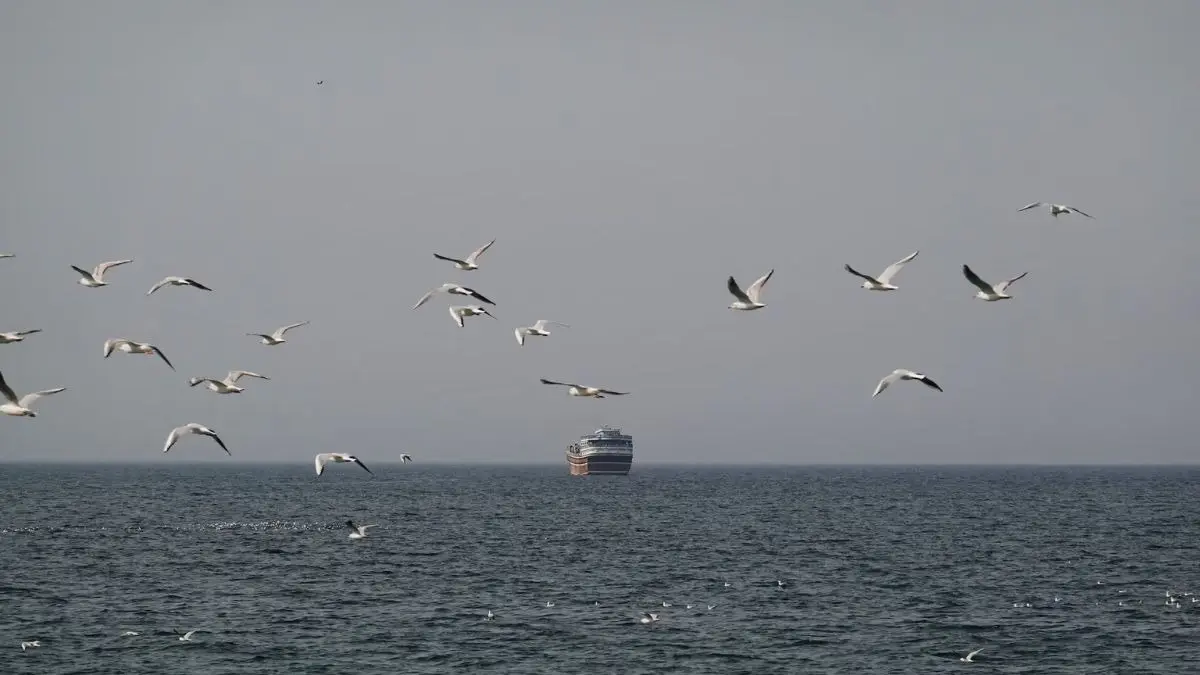
New York: The United Nations Security Council is scheduled to vote on Friday (local time) on a draft resolution proposed by Bahrain that seeks to authorise member states to use "all defensive means necessary" to ensure safe transit through the Strait of Hormuz amid the conflict in West Asia, as per news reports.
The proposal comes amid rising tensions over maritime security amid the conflict in West Asia, which has seen severe disruption in energy trade due to the virtual blockage of the Strait of Hormuz, a critical chokepoint for global energy trade.
Bahrain, which currently holds the rotating presidency of the Security Council and has been under fire from Iran amid the conflict, urged an international response to threats against global navigation routes.
"The Kingdom of Bahrain submitted a draft resolution to your esteemed council on Iran's unlawful and unjustified attempt to control international navigation in the Strait of Hormuz, placing before the council a draft that requires a decisive response to such actions that are irresponsible and illegitimate. Actions that threaten the interests of nations and peoples around the world," said Abdullatif bin Rashid Al Zayani, the Foreign Minister of Bahrain, during his remarks at the UNSC meeting on Thursday (local time).
Advertisement
According to reports , the draft resolution has undergone four revisions after Russia and China opposed language that explicitly called for the use of force to reopen the strategic waterway.
The Secretary General of the Gulf Cooperation Council, Jasem Mohamed AlBudaiwi, was also present during the UNSC meeting and stressed the importance of collective security and regional stability.
Advertisement
"We stand at a crossroads, a real test to the credibility of the international system. Either collective security prevails and is safeguarded or we leave the world vulnerable to the rule of force. We in the GCC are advocates of stability and partners in responsibility. We extend our hand in peace yet we will not compromise our security, sovereignty or regional stability," AlBudaiwi said.
Ahead of the session, UN Secretary-General Antonio Guterres addressed reporters and urged restraint from all sides involved in the conflict.
"To the United States and Israel, it's high time to stop the war that is inflicting immense human suffering and already triggering devastating economic consequences. To Iran, to stop attacking their neighbours," Guterres said.
This development comes as diplomatic engagements between Washington and Tehran continue amid the conflict in West Asia, following US-Israel joint military strikes on Iran on February 28, which led to the death of 86-year-old Iran's Supreme Leader, Ayatollah Ali Khamenei, after which Tehran, in retaliation, targeted Israel and US assets in several Gulf countries, causing disruption in the waterways and affecting international energy markets and global economic stability.
Following Ayatollah Ali Khamenei's death, his son, Mojtaba Khamenei, was appointed as Iran's new supreme leader by the country's Assembly of Experts.