
Updated 7 July 2025 at 23:38 IST
US President Donald Trump To Send Tariff Letters To 12 More Countries, Says White House
These tariffs, which range from 10% to as high as 70%, are calculated based on trade deficits and other factors, though economists have criticized the formula as overly simplistic.
- World News
- 3 min read

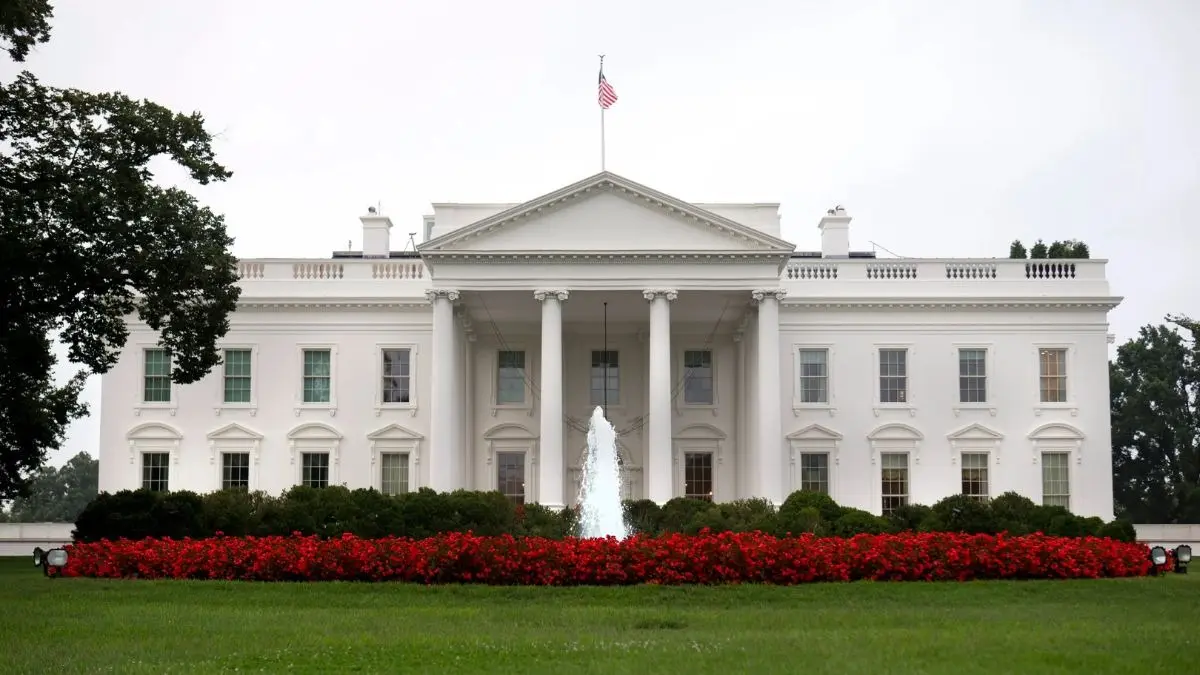
The White House confirmed that, alongside Japan and South Korea, 12 other nations will soon receive letters directly from US President Donald Trump outlining new tariff rates on goods exported to the United States. These letters, described as “take it or leave it” offers by some observers, are part of Trump’s broader strategy to address what he calls unfair trade practices. White House Press Secretary Karoline Leavitt, in a press conference today, stated “There will be approximately 12 other countries that will receive notifications and letters directly from the president of the United States.” She added that Trump remains focused on creating “tailor made trade plans for each and every country on this planet.”
As of now, Trump has informed Japan and South Korea that they'll face 25 percent tariffs.
While the specific 12 countries receiving these letters were not disclosed, the administration’s approach suggests a focus on nations with significant trade surpluses with the U.S. or those perceived as imposing barriers on American exports. Earlier this year, Trump announced reciprocal tariffs on approximately 90 countries, targeting major trading partners like China, the European Union, as well as smaller nations like the Democratic Republic of the Congo and Lesotho. These tariffs, which range from 10% to as high as 70%, are calculated based on trade deficits and other factors, though economists have criticized the formula as overly simplistic.
Extending the Deadline: A Strategic Pause
Also, Trump will sign an executive order today to delay the implementation of these reciprocal tariffs from July 9 to August 1, 2025. This extension aims to give countries more time to negotiate trade deals that could reduce or eliminate the proposed duties. “The President will also sign an executive order today, delaying the July 9 deadline to August 1,” Leavitt confirmed. “So the reciprocal tariff rate, or these new rates that will be provided in this correspondence to these foreign leaders will be going out the door within the next month, or deals will be made, and those countries continue to negotiate with the United States.”
Advertisement
Commerce Secretary Howard Lutnick and Treasury Secretary Scott Bessent have expressed optimism about securing agreements, with Lutnick noting that the tariffs will take effect on August 1 but that the president is actively “setting the rates and the deals right now.” This flexibility has sparked hope among some trading partners, though others remain wary of Trump’s hardline stance.
Why Tariffs? Trump’s Trade Philosophy
Trump’s tariff strategy is rooted in his “America First” agenda, which prioritizes reducing the U.S. trade deficit, protecting American jobs, and bringing manufacturing back to the U.S. The administration argues that foreign countries have long taken advantage of the U.S. through high tariffs and non-tariff barriers, like regulations that hinder American exports. “Reciprocal. That means they do it to us, and we do it to them,” Trump said in April, framing the tariffs as a response to perceived inequities.
Advertisement
However, the approach has drawn criticism. Economists warn that high tariffs could disrupt global supply chains, raise consumer prices, and spark retaliatory measures from other nations. As the August 1 deadline looms, markets around the world are waiting to see which countries will strike deals and which will face the new tariffs.
Published By : Sagar Kar
Published On: 7 July 2025 at 23:26 IST