
Asian-American lawmakers slam harrowing racism in US, narrate personal experiences
A congressional hearing on the racism turned personal as Asian-American lawmakers described harrowing discrimination that they had to face in the country.
- World News
- 2 min read

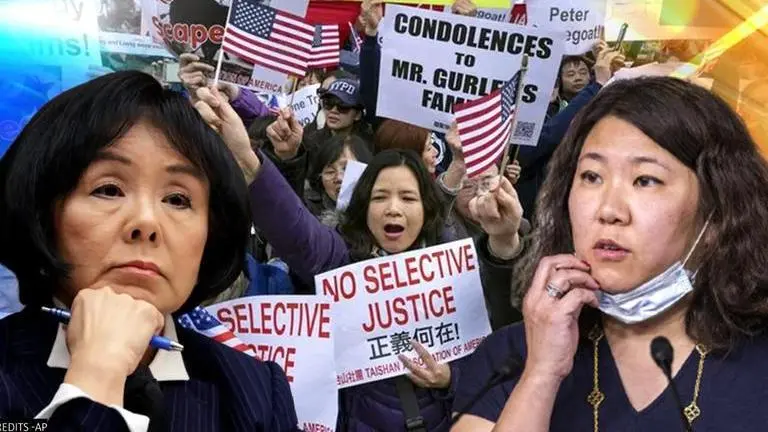
A congressional hearing on the racism turned personal as Asian-American lawmakers described harrowing discrimination that they had to face in the country. During their testimony, the lawmakers emphasized how former President Donald Trump’s incendiary rhetoric fuelled the Asian-American bias. The Asian Americans and Pacific Islanders (AAPI) community has been on alert this week after a “racially motivated” shooting rampage left eight women of Asian origin dead in Atlanta.
One congresswoman of Japanese origin shared a tale of historic abuse by American Authorities. Doris Matsui, a 76-year-old Californian revealed how, during the second world war, her parents and grandparents were forcibly relocated to an internment camp in Poston, Arizona. Addressing the Congress, Matsui said that she had the “moral obligation” to voice out against normalizing hate crimes and violence against the community.
"I have a responsibility and a moral obligation to speak out about the normalizing of attacks on the AAPI community. Our government, and many of its leaders, advanced the myth that the Japanese-American community was inherently the enemy. Americans across the country believed it, acceded to institutionalized racism, and acted on it,” she said.
“Because of my history and background, I know I have a duty to speak up." - @DorisMatsui, who was born in a Japanese American internment camp during World War II. #StopAsianHate pic.twitter.com/jNnt8s6juz
— CAPAC (@CAPAC) March 18, 2021
Grace Meng narrates experience
In addendum to Matsui, Grace Meng and Judy Chu, and Senator Tammy Duckworth also blatantly slammed the increasing rate of hate crimes against the Asian American community during the COVID-19 pandemic. During his tenure, Trump started referring to coronavirus as ‘Kung Flu’ and China Virus. His rhetoric was echoed by his supporters and fellow party members, leading to a visible spike in attacks on Asian-Americans. As per Stop AAPI Hate, the country has reported more than 2,800 incidents of anti-Asian hate between March and December 2020. While verbal harassment has made up more than 70 percent of the incidents, more than 8 percent involved physical assaults.
I'm proud to join fellow NYC leaders @yuhline, @LiuNewYork, @rontkim, and @KevinThomasNY speaking out about our experiences as Asian American elected officials and against the hate we and our communities have faced.
— Grace Meng (@Grace4NY) March 18, 2021
We will not be silent. https://t.co/KQkAypCTmY
Earlier this week, the White House also asserted that Trump’s “damaging rhetoric” around the coronavirus pandemic has directly contributed to discrimination against Asian Americans. Speaking during the daily press conference, White House Press Secretary Jen Psaki highlighted that Trump and his officials repeatedly dubbed coronavirus as “Wuhan virus” or “kung fu” which directly or indirectly led to a rise in threats against the Asian-Americans.