
CIA admits US feels 'blindsided' by Saudi Arabia's moves to restore ties with Iran, Syria
CIA Director William Burns reportedly expressed surprise to Saudi officials about the recent normalization deal between Iran and the kingdom, brokered by China.
- World News
- 4 min read

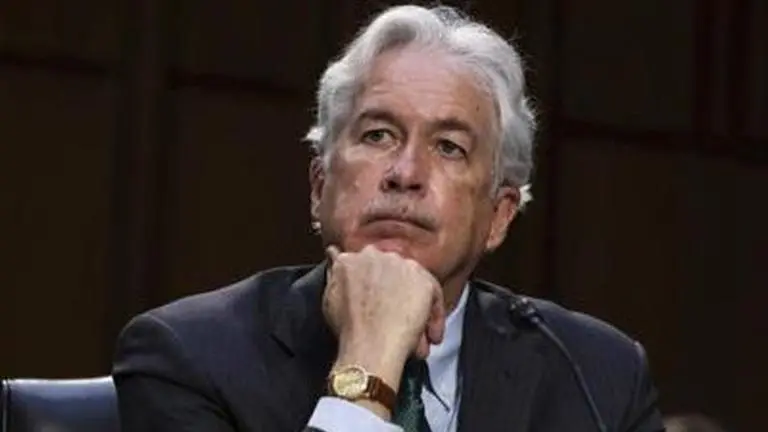
CIA Director William Burns reportedly expressed surprise to Saudi officials about the recent normalisation deal between Iran and the kingdom, brokered by China. According to anonymous sources cited by the Wall Street Journal, Burns conveyed Washington's sense of being caught off guard by Riyadh's renewed diplomacy with Iran and Syria during his unannounced visit to Saudi Arabia this week.
On Thursday, the foreign ministers of Iran and Saudi Arabia met in Beijing to discuss several matters related to the newly established diplomatic ties between their countries. The discussions reportedly included reopening embassies, appointing ambassadors, and even a potential visit by Iranian President Ebrahim Raisi to Riyadh. In a surprising move, longtime rivals Iran and Saudi Arabia reached a normalisation agreement on March 10, which included the resumption of formal diplomatic relations after severing ties in 2016. The historic pact, mediated by China in secret talks, was a significant diplomatic victory for Beijing and marked a major shift in the balance of power in the Middle East.
Riyadh and Tehran in touch with each other since the historic agreement
Following the historic agreement between Saudi Arabia and Iran to normalize their relations, senior officials from both countries have engaged in multiple telephone conversations with the aim of resolving long-standing issues such as the ongoing war in Yemen. The conflict, which has resulted in the deaths of hundreds of thousands of people over the past eight years, is one of the most pressing challenges that the two regional powers are hoping to address through diplomacy.
US is concerned about Beijing's growing influence in the region
Though the Biden administration has publicly expressed support for the recent diplomatic thaw between Saudi Arabia and Iran, CIA Director William Burns' alleged complaints during his visit to Riyadh may signal a broader concern over China's expanding influence in the Middle East. Tensions between the US and Saudi Arabia have been simmering since last year when the OPEC+ alliance, led by Saudi Arabia, agreed to cut oil production. President Biden was reportedly displeased with the move, claiming it would benefit Russia, a major energy exporter.
Advertisement
A look at the conflict between Riyadh and Tehran
One of the key factors in the conflict is sectarianism. Iran is a predominantly Shia Muslim country, while Saudi Arabia is predominantly Sunni Muslim. The two countries have long been engaged in a struggle for regional influence, with each side vying for support from other Muslim countries and populations.
In contemporary times, the conflict can be traced back to the 1979 Islamic Revolution in Iran, which led to the overthrow of the US-backed Shah and the establishment of an Islamic Republic under the leadership of Ayatollah Ruhollah Khomeini. The Iranian revolution challenged the regional order in the Middle East, and the Saudi leadership saw it as a direct threat to their own legitimacy and influence.
Advertisement
Since then, the conflict between Iran and Saudi Arabia has taken on many forms, including proxy wars in other countries such as Syria and Yemen. The two countries have also engaged in a battle for economic and political power in the region, with each side attempting to gain influence over other countries through trade and investment.
The conflict has also been fueled by competing geopolitical interests, with both countries seeking to be the dominant power in the Persian Gulf region. Saudi Arabia has traditionally been an ally of the United States, while Iran has been a regional rival. The United States has supported Saudi Arabia in many of its efforts to contain Iranian influence, which has further exacerbated tensions between the two countries. This is why, Beijing's ability to bring together Riyadh and Tehran on table is surprising and striking.