
NYC's revised bail law fuels shoplifting spree, pharmacies report product shortages
The unprecedented spike in shoplifting cases in NYC was recorded after the controversial bail reforms made recently protected swipers from prosecution.
- World News
- 2 min read

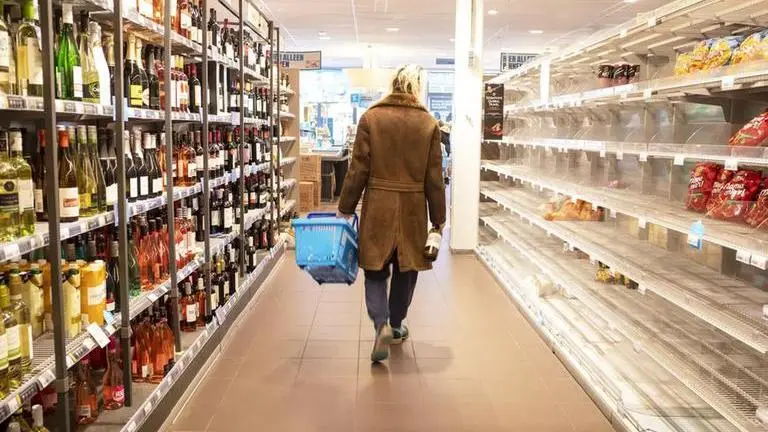
A surge in brazen thievery has left New York City pharmacies with empty shelves. On Saturday, CVS pharmacy in NYC's Sixth Avenue in Soho was out of toothpaste tubes, face washes, sanitisers, and many other items after crooks raided the shop. "They have all been stolen," an employee told New York Post reported. As per Daily Mail, the unprecedented spike in shoplifting cases was recorded after the controversial criminal-justice reforms made recently. The revised bail laws allow petty swipers to be released on the same day, allowing them to continue the crime spree. Drug stores are quick targets for serial shoplifters as the aisles are filled with small necessities that can be picked up on the go, NY Post said, recalling incidents that took place last week.
A crook from Queens, Isaac Rodriguez (22), was arrested at least 46 times in 2021. However, he was not prosecuted; instead was allowed to walk free, which prompted him to get back to business in no time. As per the report, Rodriguez raided shelves of Walgreens at least 37 times, picking up groceries, health drinks, skincare products.
The shocking situation of barren shelves leave retailers in distress
According to Wall Street Journal, the shoplifting spree in NYC has surged by at least 30%. This has bothered retail chains and disrupted the global supply chains, and fuelled shortages in drug stores, rendering them out of necessary items like tampons, diapers, batteries, cereals, handwash, baby food, etc. As of September 12, NYC recorded over 26,000 complaints of retail theft. The scales have gone up by 32% in 2020 and by 38% from 2014, NY Post reported citing NYPD records. The organised crime of shoplifting and selling on Amazon continues to spike while retailers struggle to meet the short supplies amid a lack of drivers to make necessary deliveries.