
US 'concerned' that Russia might be advising Iran on how to manage anti-hijab protests
The US is concerned that Russia might be advising Iran on how to manage the anti-hijab protests. Washington is fearful of the growing Russia-Iran relationship.
- World News
- 2 min read

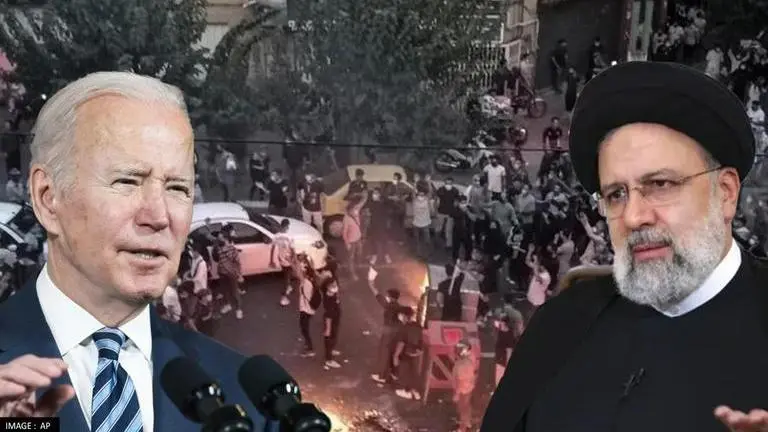
The US is concerned that Russia might be advising Iran on how to manage the anti-hijab protests. The anti-hijab protests in Iran began as a result of 22-year-old Mahsa Amini's death in police custody. She was detained for wearing her hijab improperly. On Wednesday, Iran witnessed large-scale demonstrations to mark the 40th day since the death of the youngster.
The White House press secretary Karine Jean-Pierre said that the US is "concerned that Moscow may be advising Tehran on best practices to manage protests, drawing on Russia’s extensive experience in suppressing open demonstrations," as per a report by the VOA. The US has already been concerned about the recent cooperation between Iran and Russia. Ukraine has claimed, on the basis of remnants of armed drones it has recovered from the war zone that - Iran is supplying Russia with armed drones in violation of UN resolution. These drones are allegedly being used by Russia to target Ukraine's critical infrastructure.
Why are close relations between Russia and Iran a concern for US?
Russia is using these drones as an alternative to the missiles manufactured in their own country because the Shahed drones manufactured by Iran cost less and can be used as loitering munitions. "Iran and Russia are growing closer the more isolated they become. Our message to Iran is very, very clear: Stop killing your people and stop sending weapons to Russia to kill Ukrainians," said Karine Jean-Pierre.
A growing bilateral relationship between Iran and US will negatively impact the latter's goals in the region as it is already suffering from friction in its bilateral relationship with Saudi Arabia. Relations between Iran and US have been uneasy since the Islamic revolution in Iran back in the 70s, in which the Shia cleric and general people overthrew the Shah of Iran.
Advertisement
The Shah of Iran was positively predisposed towards the US and he was attempting to "modernise" Iran. The general people of Iran viewed the "modernisation" efforts of the Shah as Tehran attempting to Westernise and becoming a vassal state to the US. Rejection of the Shah's social engineering led to an emergence of Islamic revanchinism in Iran. Since then, US' foreign policy goal has been to prevent alliance of any strong nation with Iran, to maintain a balance of power in US' favour. Russia's growing relationship with Iran has the potential of undermining that American foreign policy goal.