
World Food Programme reveals 45 million people in 43 nations 'teetering on edge of famine'
The 45 million people belonging to 43 countries are on the edge of famine as acute hunger has been increasing around the world, the UN said in the news release
- World News
- 2 min read

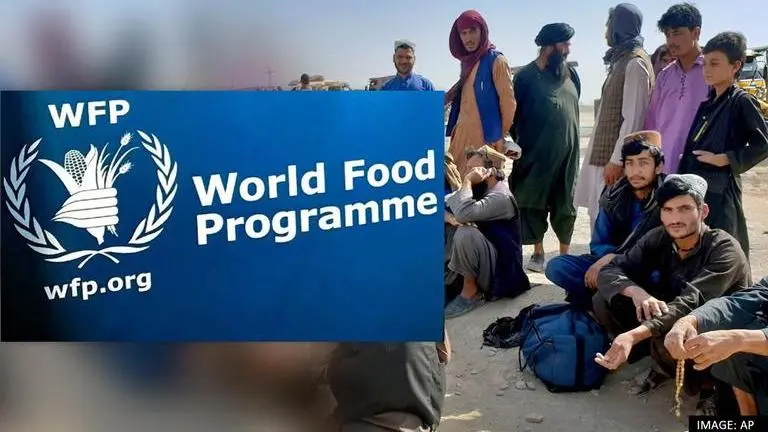
The UN World Food Programme on 7 November, has warned that the number of people 'teetering on the edge of famine’ has risen to 45 million. The 45 million people belonging to 43 countries are on the edge of famine as acute hunger has been increasing around the world, United Nations said in the news release. The number of people who are facing hunger has increased from 42 million earlier in the year to 45 million.
The UN World Food Programme in the news release has informed that the number of people who faced acute hunger in 2019 was 27 million which has now reached 45 million. The number of people who are on the 'edge of famine' has been witnessing a rise in facing acute hunger as the number of people in desperate conditions has increased in Ethiopia, Haiti, Somalia, Angola, Kenya and Burundi. WFP Executive Director David Beasley in the press release has informed that climate change, conflict and COVID-19 has led to a rise in the number of people facing acute hunger.
"Tens of millions of people are staring into an abyss. We've got conflict, climate change and COVID-19 driving up the numbers of the acutely hungry and the latest data show there are now more than 45 million people marching towards the brink of starvation," WFP Executive Director David Beasley said in the news release.
Furthermore, he warned that the data shows that over 45 million people are on the edge of 'starvation'. He made the remarks after a fact-finding mission to Afghanistan. He added that WFP has been making efforts to help almost 23 million people who are in need in Afghanistan. He further expressed concern over the rising food prices, expensive fertilisers, crisis in Afghanistan and emergencies in Yemen and Syria. WFP has estimated that the cost of preventing famine across the world now stands at $7 billion, which the organisation had earlier estimated at 6.6 billion. He asserted that more money was needed to assist families across the globe who have exhausted their capacity to face extreme hunger.
"Fuel costs are up, food prices are soaring, fertilizer is more expensive, and all of this feeds into new crises like the one unfolding now in Afghanistan, as well as long-standing emergencies like Yemen and Syria," David Beasley added.