
Xi Jinping-led CPC decides to reform party and China government agencies
While Xi Jinping's speech at the plenary session was described as "important," no specific details have been released to the public.
- World News
- 2 min read

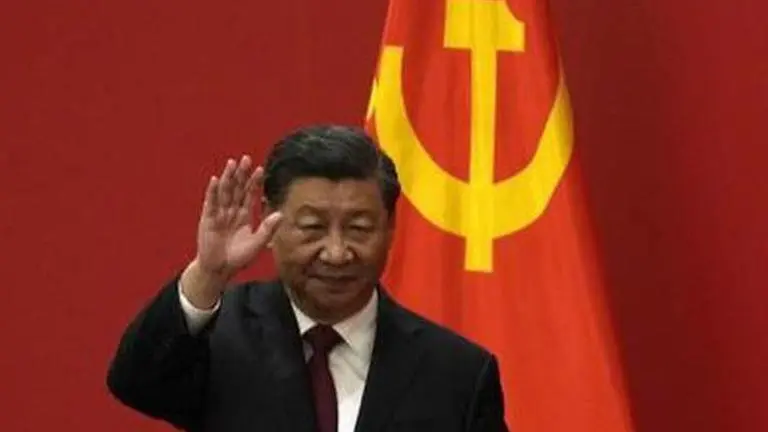
On February 28, the second plenary session of the Central Committee of the Communist Party of China (CPC) convened in Beijing and a proposal aimed at reforming the nation's party and government agencies was reportedly approved. The Xinhua news agency has released a statement containing select quotes from the session's conclusions, but provided no additional information regarding the plan's specifics.
The Chinese President and General Secretary of the Communist Party, Xi Jinping, reportedly provided further explanation for the party and government reform plan at the plenary session. The report stated that a portion of the plan will be presented for discussion by National People's Congress (NPC) deputies during the annual session starting on March 5th. The process will be carried out in accordance with established legislative procedures. While Xi Jinping's speech at the plenary session was described as "important," no specific details have been released to the public.
What exactly does a plenary session of Central committee of Communist Party entail?
The plenary session of the Central Committee of the Communist Party of China is a high-level meeting that brings together top leaders of the party to discuss and make decisions on important political, economic, and social issues facing the country.
The Central Committee is the highest organ of the Communist Party of China, responsible for setting the party's policy direction, strategy, and leadership. The plenary session is therefore a crucial event for the party, as it provides an opportunity for top leaders to discuss and decide on key issues and initiatives.
Advertisement
During the plenary session, the party leaders typically review the country's political, economic, and social developments, as well as the progress made in implementing previous policies and initiatives. They also discuss major challenges and risks facing the country and propose solutions to address them. The plenary session may also involve the adoption of new policies and guidelines, changes to the party's leadership and personnel, or the establishment of new institutions or regulations.
The purpose of the plenary session is to set the direction for the country's development and to ensure that the party's policies and initiatives align with its long-term goals. The decisions made during the plenary session are critical in shaping the country's political and economic landscape, and can have a significant impact on China's relations with other countries and its position in the international community.