
Updated 18 July 2025 at 15:08 IST
Tyre Stocks In Focus: CEAT, MRF, Apollo, JK Tyre Set To Roll As CRISIL Projects 7–8% Revenue Growth - Details
India’s tyre sector is expected to grow 7–8% this fiscal, led by strong replacement demand. CRISIL forecasts stable profitability and volume growth despite global trade risks and rising input costs. Key players like CEAT and MRF stand to benefit, though import threats may pressure margins.
- Republic Business
- 3 min read

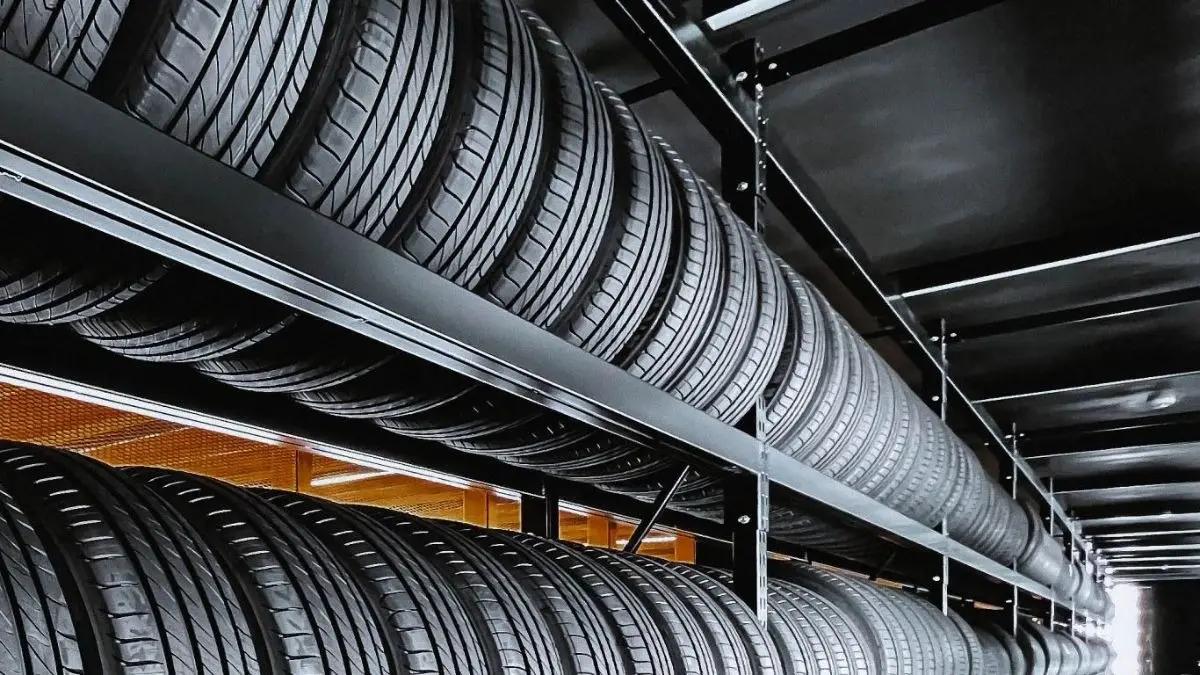
India’s tyre industry is set for a steady performance this fiscal, with CRISIL Ratings forecasting a 7–8% growth in revenue, driven primarily by strong replacement demand. While export headwinds and softer orders from original equipment manufacturers may pose challenges, the steady demand from vehicle owners replacing worn-out tyres is expected to keep the momentum going.
This outlook bodes well for leading tyre makers like CEAT, MRF, Apollo Tyres, and JK Tyre, which stand to gain from higher volumes and improved price realisations, particularly in the premium segment. The replacement tyre segment, backed by India’s large number of vehicles, improving rural activity, and active freight movement, makes up about half of total tyre sales.
CRISIL projects volume growth at 5–6%, similar to last year, with premium tyres helping slightly improve price realisations. Export volumes—contributing roughly a quarter of overall volumes—are likely to grow 4–5%, led by demand from Europe, Africa, and Latin America.
“The replacement segment is projected to grow 6–7% this year, while OEM volumes could rise 3–4%, supported by stable demand for two-wheelers and tractors, and modest growth in passenger and commercial vehicles,” said Anuj Sethi, Senior Director, CRISIL Ratings.
Advertisement
Geopolitical tensions impacting volumes
However, the industry faces headwinds from escalating global trade tensions. The US, which accounted for 17% of India’s tyre exports last year, has imposed retaliatory tariffs on Indian goods, which could dent competitiveness.
Advertisement
Compounding concerns, China may divert excess inventory to price-sensitive markets like India, due to steep US tariffs restricting access to the American market.
Although India already imposes anti-dumping duties—including a 17.57% levy on large truck and bus radials from China—broader dumping across other tyre segments remains a real threat to domestic players’ margins.
“Competitive intensity in the replacement market is already squeezing margins,” noted Poonam Upadhyay, Director, CRISIL Ratings. “If low-cost Chinese imports increase, domestic realizations could be hit, especially since natural rubber and crude-linked input prices have already surged 8–12% this year.”
Profitability and capex
Despite raw material cost pressures and limited scope for passing them on, operating profitability is expected to remain stable at 13–13.5%, helped by strong capacity utilization and controlled costs. Furthermore, capex for the sector is likely to stay around Rs 6,000 crore this fiscal, with a focus on high-utilization segments like passenger car and two-wheeler tyres, as well as automation and backward integration.
Notably, the industry's credit profile remains solid. Strong cash accruals and prudent capital management have kept balance sheets lean. CRISIL expects interest coverage to improve to ~8.0 times and debt-to-EBITDA to ease to ~1.0 time, both better than last fiscal’s metrics.
Business outlook
While the medium-term outlook is stable, the sector will have to closely monitor developments in global trade policy, especially US-China dynamics, and fluctuations in key raw material prices. Domestic demand will remain the primary growth driver, but external risks could test margins and competitiveness in the quarters ahead, according to CRISIL.
Published By : Avishek Banerjee
Published On: 18 July 2025 at 15:08 IST